
What Should You Do When Your Home Isn’t Selling?
When your home has been on the market longer than expected, it is easy to assume you simply need more time. Sometimes that is true. Different price ranges and property types move at different speeds.
But when a listing has had enough exposure and buyers still are not responding, waiting is not really a strategy. At that point, I want to figure out why the home is not selling before we decide what should change.
The answer might be price. It might be condition, photography, showing restrictions, competition or the way the home is being presented. Sometimes it is a combination of several smaller things.
The important part is not to make random changes. It is to read what the market is telling us and make the next move deliberately.
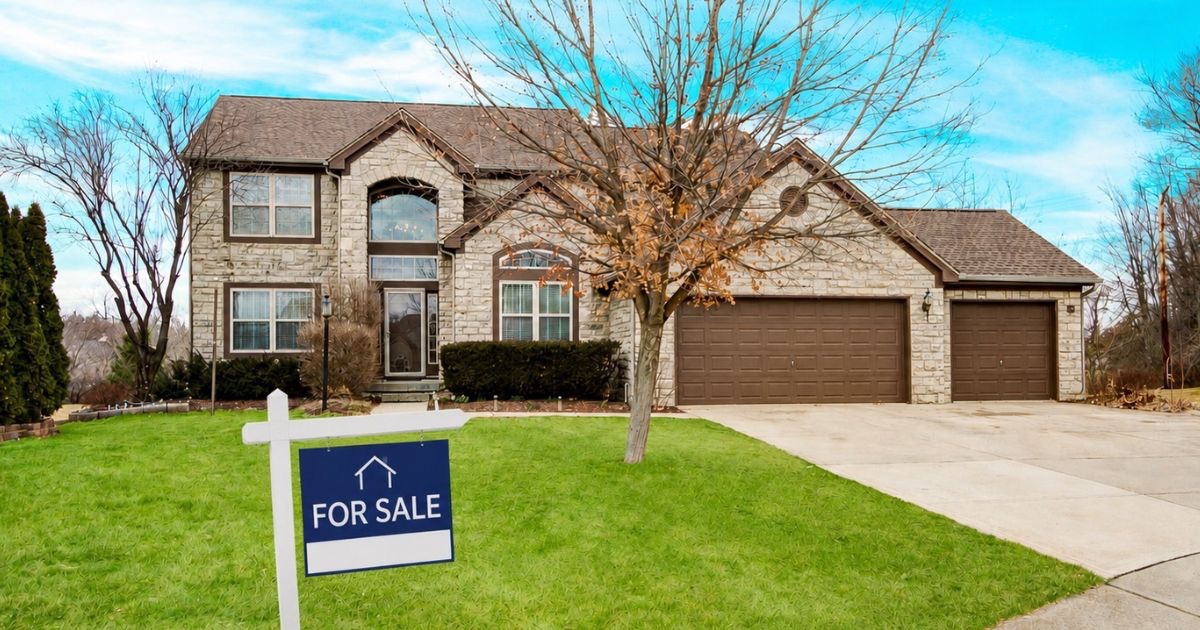
If your home is not selling, start by looking at the pattern of buyer activity. Very few showings may point toward price, online presentation or limited showing access. Plenty of showings without offers may suggest buyers do not see enough value once they tour the home. Repeated feedback about the same issue deserves attention. The right fix depends on what buyers are actually doing, not simply how many days the home has been listed.
- When is a listing actually stale?
- What is the showing activity telling you?
- How do you know whether price is the problem?
- Could presentation be holding the home back?
- Has the competition changed?
- Should you change the marketing?
- When does a price reduction make sense?
- Can you relaunch a stale listing?
When Is a Listing Actually Stale?
I would not define a stale listing by one universal number of days.
A $350,000 home in a high-demand neighborhood may be telling us something very different after three weeks than a unique $1 million property would. Market time varies by price range, location, condition and property type.
What matters more is how your home's market time compares with similar properties buyers are choosing instead.
If competing homes are routinely going under contract within 15 or 20 days while yours has been available for 45 days, that is useful information. If everything in the price range is taking 60 days, the same market time means something very different.
This is why I look at the first 10 days on market as an early diagnostic period rather than as a deadline. Those first days start giving us the information we need to evaluate what happens next.
What Is the Showing Activity Telling You?
The number of showings matters, but the pattern matters more.
Very few showings: Buyers may not be seeing enough value online to schedule an appointment. Price is one possibility, but photography, listing presentation and showing availability should also be reviewed.
Plenty of showings but no offers: Buyers are interested enough to come through the door, but something is changing their mind once they see the home in person. That may be condition, layout, lot, location or simply that they do not believe the home is worth the asking price.
Repeated second showings but no offer: You may be close. I would look carefully at feedback, competing homes and whether buyers are hesitating over one particular issue.
The same feedback over and over: Pay attention. One buyer's opinion is just one buyer's opinion. When several unrelated buyers identify the same concern, that is market information.
No showings and no offers is a different problem from ten showings and no offers. I would not treat those situations the same way.

How Do You Know Whether Price Is the Problem?
Price is not always the reason a home is not selling, but it is usually part of the conversation because buyers evaluate everything in relation to price.
A dated kitchen may be perfectly acceptable at one price and a major objection at another. A home backing to a busy road may still sell very well when the price reflects the location.
That is why I do not ask only, “Is the house overpriced?” I ask, “Does the home offer enough value compared with everything else this buyer can purchase?”
If similar homes are going under contract and yours is not, look closely at where the differences are. Condition? Updates? Lot? Location? Square footage? Or are buyers simply getting more house elsewhere for the same money?
My guide to pricing your Central Ohio home correctly explains how I look at that comparison.
And if the home started above the market, read what overpricing can actually cost a seller.
Could Presentation Be Holding the Home Back?
Yes, particularly if buyers are clicking on the listing but not scheduling showings, or if feedback consistently mentions condition.
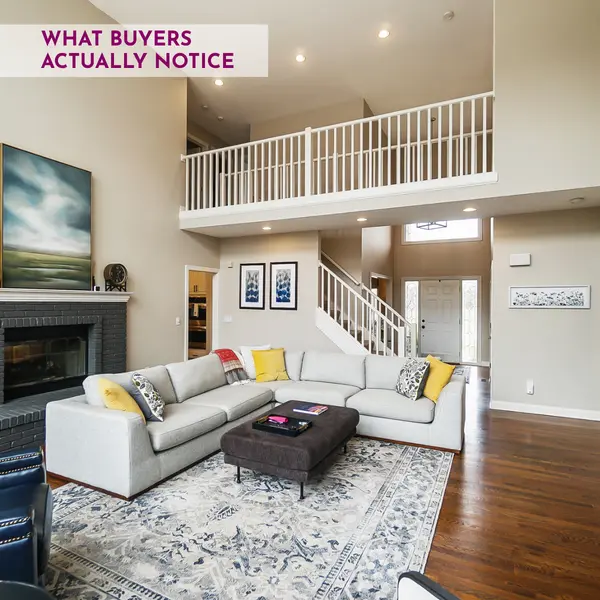
I would review the listing exactly the way a buyer sees it online. Are the first five photos strong? Does the home look bright? Is furniture making rooms seem smaller? Are the best features obvious? Is the exterior photo helping or hurting?
Then look at the showing experience. Lighting, smell, clutter, cleanliness and obvious maintenance all affect how buyers perceive value.
Sometimes a home does not need a renovation. It needs better editing.
If presentation is the issue, my complete staging guide and what buyers notice in the first 30 seconds are good places to start.

Has the Competition Changed Since You Listed?
This is easy to overlook.
You may have priced correctly based on what was available three weeks ago, but the market does not stand still. New listings come on. Competing homes reduce their prices. Others go under contract and show us where buyers are actually responding.
I would rerun the competitive analysis rather than continuing to compare your home only with the information we had on day one.
Sometimes the home did not become less valuable. The alternatives simply became more compelling.
That is one reason active listings matter so much. Buyers are not deciding whether your home is worth the asking price in a vacuum. They are deciding whether they prefer it to the other homes they can buy today.
Should You Change the Marketing?
Possibly, but I would be careful about assuming that more marketing automatically solves the problem.
If thousands of buyers have already seen the property online and the price does not make sense, another Facebook ad probably will not fix it.
Marketing works best when it brings attention to a home that is already positioned competitively.
That said, I would review whether the listing is presenting the property clearly. Are we emphasizing the features that make the home different? Does the description answer questions buyers are likely to have? Are professional photos, floor plans, video or a 3D tour appropriate for the property?
Sometimes a listing refresh is worthwhile simply because the original presentation did not do the house justice.
"More exposure doesn't fix the wrong positioning. First make sure the home gives buyers a reason to respond."
When Does a Price Reduction Make Sense?
A reduction should be based on evidence, not frustration.
I would look at showing activity, feedback, competing listings, new pending sales and how long similar homes are taking to sell. If the market is consistently telling us the home is not competitive at the current price, then adjusting the price can be the right move.
But I would also want the reduction to accomplish something.
A small change may technically reduce the price without moving the home into a new buyer search range or meaningfully changing how it compares with the competition.
If we're going to adjust, I want to understand what that adjustment changes. Does it reach a different buyer pool? Does it make the home noticeably stronger against the competition? Does it address what buyers have been telling us?
That is much more useful than reducing the price a little every couple of weeks and slowly following the market down.
Can You Relaunch a Stale Listing?
You can improve the way a listing is positioned, but I would not pretend we can erase its history.
The better question is whether we have made enough meaningful changes to give buyers a reason to reconsider the home.
That could include a new price, stronger photography, different staging, improved showing access, completed repairs or a clearer marketing message.
If we're changing several things, I like to treat the adjustment as a real repositioning rather than simply editing one number in the MLS.
Buyers who dismissed the home before need a reason to look again.

Should You Take the Home Off the Market and Start Over?
Not automatically.
Taking a listing off the market does not make the underlying reason it failed disappear. If the price, condition or presentation was the problem, the same problem may still be there when the home returns.
There can be legitimate reasons to pause, such as completing repairs, dealing with a personal timing issue or making a substantial change to the property. But I would not use withdrawal simply as a way to make the listing appear new.
The strategy needs to improve, not just the days-on-market number.
What If You Need to Sell More Quickly?
Your timing matters.
If you have another home under contract, are relocating or simply need to move on a specific schedule, the strategy may be different from a seller who has six months and no next-home deadline.
That doesn't mean giving the house away. It means being realistic about which variable matters most.
Price, condition, timing and convenience all affect the buyer's decision. If timing is your highest priority, we may position the home differently than we would if maximizing price is the only goal.
And if offers begin coming in, remember that the highest number is not always the strongest solution. Financing, inspections, appraisal terms and closing timing matter too. I explain those tradeoffs in Should You Accept the Highest Offer on Your House?
Has Your Central Ohio Home Been Sitting on the Market?
If your home is listed and you're frustrated with the response, the first thing I would do is look at the entire picture before recommending another price reduction or a new marketing tactic.
We can look at how buyers have responded, what has sold since you listed, what is competing with you now and whether the home needs to be repositioned.
Sometimes the answer is price. Sometimes it isn't. The important part is knowing the difference.
The Front Porch Report
Practical advice, real stories and Central Ohio market insights to help you make smarter selling decisions.
Join the Front Porch ReportOne email every Tuesday. Unsubscribe anytime.
Frequently Asked Questions About a Home That Isn’t Selling
How long should I wait before changing the strategy on my listing?
Does no showings mean my home is overpriced?
What does it mean if I have lots of showings but no offers?
How much should I reduce the price?
Can better staging or photography revive a listing?
Should I take my home off the market and relist it later?
The Bottom Line
A listing that has been sitting is not automatically a bad home or a failed sale. It means we have more information than we had on the day it was listed.
Use that information. Look at the showing pattern, feedback, competition, presentation and price together. Then make a meaningful change when the evidence gives you a reason to.
Rita Boswell is a Central Ohio real estate agent with Real of Ohio, helping homeowners evaluate pricing, presentation and selling strategy throughout the Columbus area.
Representing Central Ohio Homes with Real of Ohio
Categories
Recent Posts





GET MORE INFORMATION