
How Do You Sell a Home in Probate in Central Ohio?
When someone dies owning a home, figuring out what happens to the property can become one of the larger pieces of settling the estate. There may be a mortgage, personal belongings, repairs, multiple heirs and questions about who actually has authority to make decisions.
Probate does not automatically mean the home has to be sold, and a probate sale is not one single process that works the same way for every estate. The will, the way title was held, the authority given to the executor or administrator and the circumstances of the estate can all affect what happens next.
From the real estate side, my job is to help the person who has legal authority over the property understand its current market value, condition, preparation options and likely selling strategy. The probate attorney and court handle the legal questions about the estate and authority to sell.
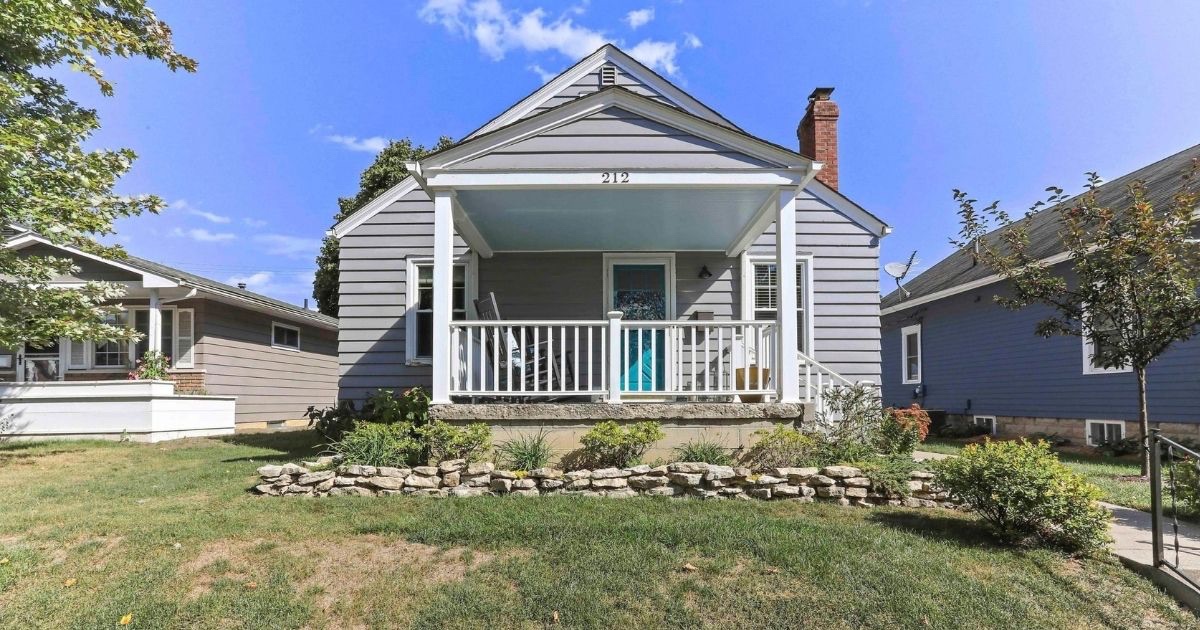
Before selling a home through probate, first determine who has legal authority to act for the estate. An executor or administrator may then need to establish the home's value, address personal property and maintenance, determine whether court approval is required, prepare the property for market and complete the sale according to the estate's legal requirements. The exact process depends on the estate, so the real estate agent and probate attorney should work within their separate roles.
- What does probate mean for a house?
- Who has authority to sell the property?
- Does the probate court have to approve the sale?
- How do you determine what the home is worth?
- What should happen before the home is listed?
- Should a probate home be sold as-is?
- How should offers be evaluated?
- How long does a probate home sale take?
What Does Probate Mean for a House?
Probate is the legal process used to administer an estate after someone dies. A home may become part of that process depending on how the property was owned and how the estate is structured.
Probate is not limited to people who die without a will. A will may name an executor and give that person certain authority over estate property. If there is no will, the probate court may appoint an administrator to handle the estate.
And not every house owned by someone who dies necessarily has to be sold. The property may ultimately be transferred to heirs or beneficiaries, retained by someone involved with the estate or sold as part of settling the estate.
Those are legal decisions. From the real estate side, the first question I want answered is much simpler: Who has authority to make decisions about this property?
Who Has Authority to Sell a Probate Property?
Usually, the person handling the real estate transaction is the court-appointed executor or administrator, sometimes referred to more generally as the estate's fiduciary.
That does not necessarily mean that every heir individually directs the listing or negotiates with the buyer. The person with legal authority over the estate needs to be identified before the property is listed.
This is one reason I recommend getting the probate attorney involved early. Before we start discussing photography, staging or pricing, I want to know that the person signing the listing documents has the authority to do so.

Does the Probate Court Have to Approve the Home Sale?
Not in every situation.
In Ohio, a will may give a qualified executor authority to sell real estate without obtaining a separate order from the probate court. Other estates may require the fiduciary to obtain authority through the court before the real property can be sold.
That distinction is important because it affects how the transaction is handled and potentially the timing of the sale.
I would not try to determine that from the real estate paperwork alone. The executor or administrator should confirm the estate's selling authority with the probate attorney before the home is listed or before an offer is accepted.
Some estates require more court involvement than others. The authority granted in the will and the circumstances of the estate matter, which is why the legal side should be established before the real estate strategy is built.
How Do You Determine What a Probate Home Is Worth?
For purposes of selling the property, I start the same way I would with another Central Ohio home: recent comparable sales, current competing listings, location, condition, updates, lot, layout and what buyers are currently paying.
A real estate market analysis estimates what the property may realistically sell for in the current market. A formal appraisal serves a different purpose and may also be needed depending on the estate, court requirements or advice from the attorney.
One mistake I would avoid is relying on the county's tax value or an automated online estimate as the sale price.
If you want a deeper explanation, read what your Central Ohio home is really worth.
What Should Happen Before a Probate Home Is Listed?
This is often where probate sales feel different from an ordinary move. The person responsible for the estate may not live in the house, and the property may contain years of belongings that need to be sorted before anyone can think about listing photos.
I would work through the property in this order:
- Confirm legal authority. Make sure the executor or administrator has the appropriate authority to act for the estate.
- Secure the property. Confirm doors, windows and utilities are secure and that the home is being monitored.
- Address personal property. Determine what family members or beneficiaries are keeping and what still needs to be removed.
- Evaluate the condition. Identify maintenance concerns, deferred repairs and anything that could materially affect the sale.
- Estimate market value. Review comparable sales and current competition.
- Decide what is worth doing. Clean, repair, update or sell as-is based on the property's condition, budget and estate priorities.
- Prepare the marketing. Once the house is ready, move into photography, pricing and launch strategy.
My guide to what to fix before listing can help when you're trying to separate necessary work from projects that may not be worth the expense.

Should You Sell a Probate Home As-Is?
Sometimes. But I would not assume that probate automatically means an as-is sale.
If the home has substantial deferred maintenance, the estate has limited funds or the person managing the estate lives out of state, selling with minimal preparation may make sense.
On the other hand, a relatively small amount of cleaning, landscaping, paint or repair work may significantly improve how the property competes.
The question is not whether every issue should be fixed. It is whether spending money before the sale is likely to improve the estate's position enough to justify the cost, time and effort.
I would evaluate the options before paying contractors or emptying the estate account into renovations.
For more on that decision, see what adds value before selling a home.
What If the Executor or Heirs Live Out of State?
This is common with estate properties and it changes the logistics more than the basic real estate strategy.
Someone may need to coordinate cleaning, contractors, lawn care, utilities, personal-property removal, photography and access without being able to stop by the house every few days.
That is where having one organized point of contact locally can make a significant difference.
I like to establish early who has authority to approve work, who needs to receive updates and how decisions will be communicated. That keeps small property issues from turning into unnecessary delays.
What If Several Heirs Have Different Opinions?
That can happen even when everyone ultimately wants the same thing.
One person may want to renovate before selling. Another may want the property sold immediately. Someone else may believe the house is worth substantially more because of what it meant to the family.
The real estate agent can provide market evidence, estimated costs and different selling scenarios, but I would not try to resolve disagreements about legal authority or inheritance rights.
When there is disagreement, the executor or administrator and probate attorney need to clarify who has decision-making authority and what approvals are required.
Once that is established, the real estate side becomes much easier to manage.
How Should Offers on a Probate Home Be Evaluated?
A probate property does not automatically need to be sold to a cash buyer or investor.
Depending on the home, a traditional buyer using financing may produce a stronger result. In other situations, the simplicity of an as-is cash offer may have real value to the estate.
I would compare:
- Purchase price
- Buyer financing
- Inspection terms
- Appraisal requirements
- Requested repairs or concessions
- Earnest money
- Closing timeline
- Certainty of closing
The highest price is not always the offer that creates the best overall result. My article on whether you should accept the highest offer explains how those terms fit together.
A probate property deserves the same careful pricing and offer analysis as any other home. The estate circumstances may be different, but buyers are still responding to value.
How Long Does a Probate Home Sale Take?
There is no standard probate-sale timeline.
Once the executor or administrator has the authority needed to sell and the property is ready for market, the real estate portion of the transaction may look similar to another home sale. But the estate may need additional time before listing, and some sales involve legal steps or court approval that affect the timeline.
The home's condition also matters. A property that is already empty, clean and maintained may be ready quickly. A house filled with personal belongings or requiring significant work can take much longer to prepare.
This is why I would be cautious about anyone promising that probate automatically creates a faster sale.
What Does a Probate Real Estate Agent Actually Help With?
A real estate agent should handle the real estate part of the process, not try to become the probate attorney.
I can help with:
- Evaluating the property's current market value
- Reviewing condition and preparation priorities
- Helping coordinate access to local service providers when needed
- Developing the pricing and marketing strategy
- Managing showings and buyer feedback
- Presenting and comparing offers
- Communicating with the estate's authorized decision-maker
- Coordinating the real estate transaction with the title company and other professionals involved
The attorney handles the legal administration of the estate and advises the executor or administrator about authority, court requirements, beneficiary rights and other probate matters.
I think that division of responsibility actually makes the process easier. Everyone knows their role.
Handling a Probate Property in Central Ohio?
If you're responsible for a home in an estate and don't know what should happen with the property yet, you don't have to start by deciding whether to renovate it or put a sign in the yard.
We can start with the basics: What is the home likely worth? What condition is it in? What would I recommend doing before selling? What might an as-is option look like?
That gives you practical real estate information you can use with the estate's attorney and other advisors before making larger decisions.
The Front Porch Report
Practical advice, real stories and Central Ohio market insights to help you make smarter selling decisions.
Join the Front Porch ReportOne email every Tuesday. Unsubscribe anytime.
Frequently Asked Questions About Selling a Home in Probate
Does a house have to go through probate if there is a will?
Who can sell a house that is in probate?
Does the probate court have to approve every home sale?
Do probate homes have to be sold as-is?
Can an estate sell a probate property to a regular buyer?
How long does it take to sell a house in probate?
Important: This article provides general real estate information and is not legal, tax or financial advice. Probate requirements vary by estate. Consult a qualified Ohio probate attorney regarding legal authority, court requirements and estate administration.
The Bottom Line
A probate home does not automatically need a complicated sale, a quick cash buyer or a long list of repairs. Start by establishing who has authority over the property and what legal requirements apply. Then evaluate the home itself just as carefully as you would any other sale.
Once we understand the condition, value and estate priorities, we can build a real estate plan around the situation instead of making assumptions simply because probate is involved.
Rita Boswell is a Central Ohio real estate agent with Real of Ohio, helping executors, administrators and homeowners navigate the real estate side of probate and other complex transitions with clear information and a practical plan.
Representing Central Ohio Homes with Real of Ohio
Categories
Recent Posts



GET MORE INFORMATION