
What Should You Fix Before Listing Your Home?
One of the easiest ways to waste money before selling is to start fixing things before you know whether buyers will care about them. Some repairs are worth handling before the home ever reaches the market. Others may be better disclosed, priced around or simply left for the next owner.
The right answer depends on the condition of your home, your price range, what similar homes are offering and how buyers are likely to respond. My goal with sellers isn't to create a perfectly updated house. It's to decide which issues could hurt buyer confidence or create unnecessary problems once we're under contract, then leave the rest alone.
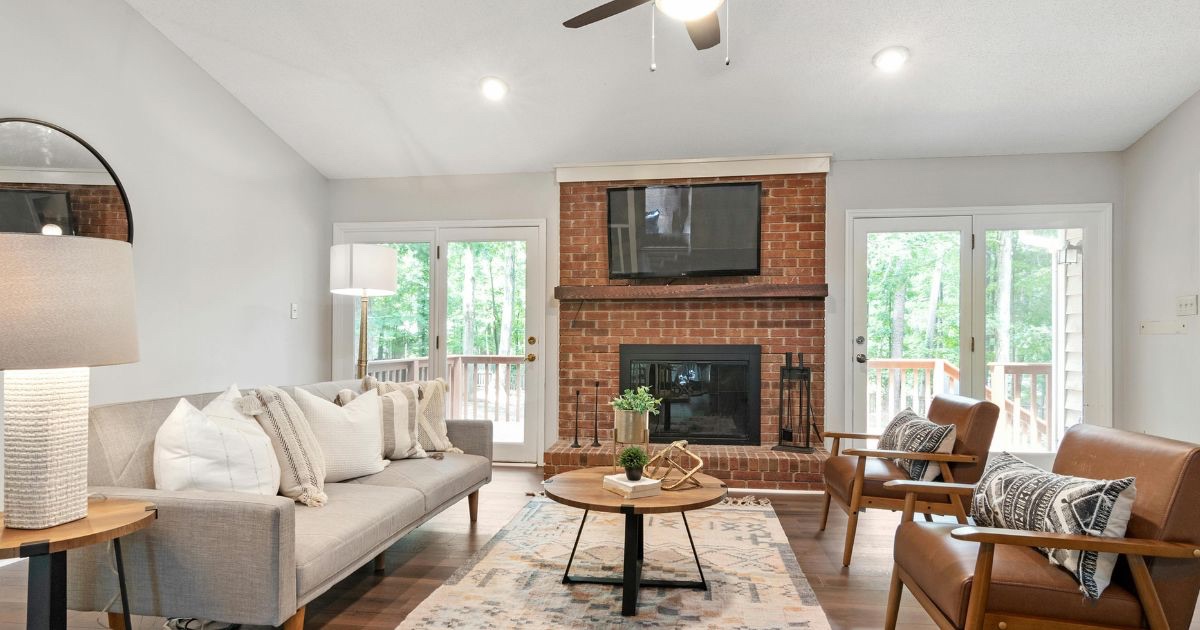
Start with issues that affect safety, active water intrusion, basic function or obvious buyer confidence. Then look at visible repairs and presentation problems buyers are likely to notice during a showing. Cosmetic updates can help, but major renovations should be considered carefully because you may not recover what you spend.
Where Should You Start Before Fixing Anything?
Start with the house as it is, not with a renovation wish list.
I like to walk through a home and separate what I see into a few categories: actual repair issues, presentation problems, cosmetic updates and projects that probably aren't necessary at all.
That distinction matters. A leaking faucet and a dated faucet are not the same problem. Damaged flooring and flooring that simply isn't today's most popular color are not the same thing either.
Before spending money, it also helps to understand what your home is realistically worth. The preparation that makes sense for one price point may be completely unnecessary at another.
Is this something that will make buyers worry about the house, or is it simply something they may want to change someday?
Which Repairs Deserve the Most Attention?
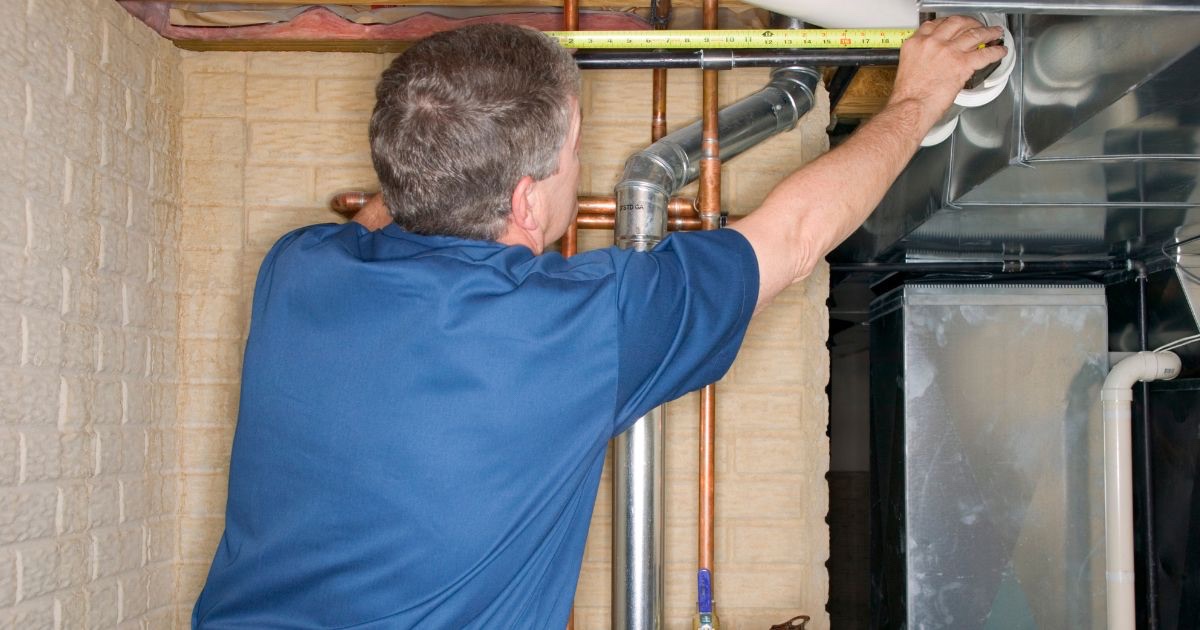
I would pay the most attention to problems involving safety, active moisture, basic home systems or issues that are likely to make buyers wonder what else has been neglected.
Active roof or water problems. Missing shingles don't necessarily mean you need a new roof, but active leaks, visible water intrusion or unresolved moisture deserve attention before listing.
Basement moisture. If you have active water, staining or a known drainage issue, understand the cause before trying to make the evidence disappear. Buyers and inspectors will notice it.
Electrical concerns. Exposed wiring, non-working outlets or known safety issues should be evaluated appropriately. Older electrical components aren't automatically a reason to replace an entire system, so this is an area where I would avoid making assumptions without professional advice.
Plumbing leaks. A dripping faucet or leak under a sink is usually relatively easy to address and can create much more concern than the repair itself warrants.
Heating and cooling. If the system isn't operating properly, find out why. An older system that works is a different conversation from one that isn't functioning correctly.
The objective isn't to eliminate every possible inspection comment. Home inspectors routinely identify items in perfectly good homes. We're trying to deal with known problems that could unnecessarily complicate the sale.
Which Cosmetic Updates Can Help Before Listing?
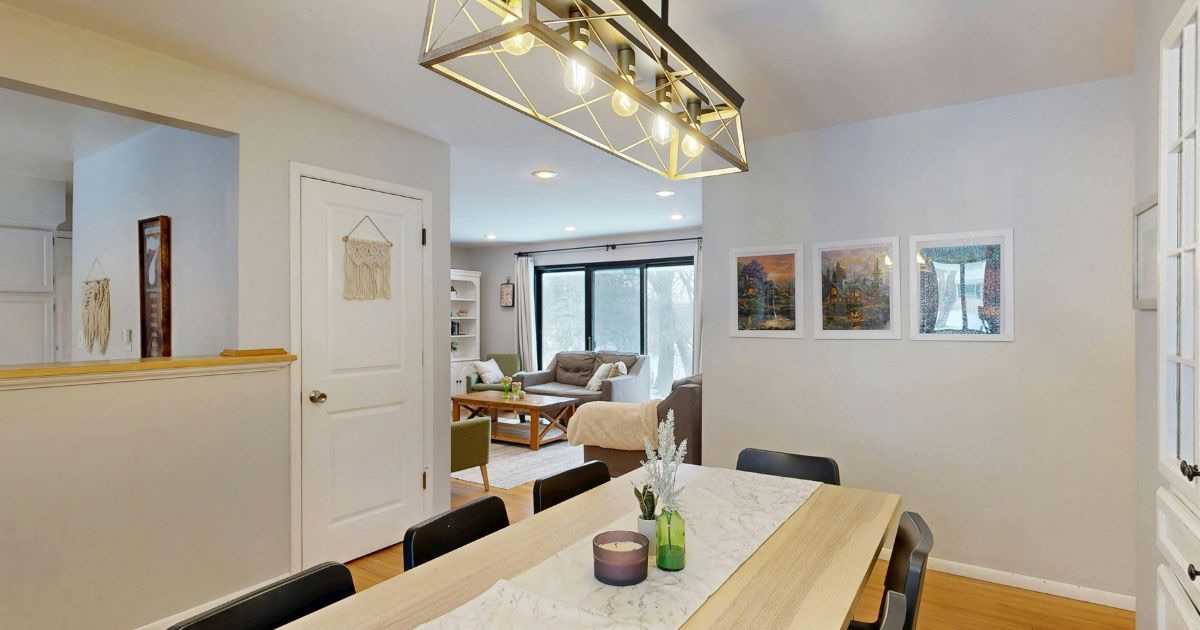
Once the repair issues are sorted out, I look at what buyers are likely to notice when they walk through the house.
Paint: Fresh paint can be very worthwhile when walls are damaged, heavily marked or unusually dark. That doesn't mean every room needs to be repainted just because you're selling.
Lighting: Better bulbs and replacing fixtures that strongly date a room can make a noticeable difference in both photographs and showings.
Flooring: Heavily stained or worn carpet may need attention. Flooring that's simply older or not your favorite style is a different decision.
Kitchen and bathrooms: Cleaning grout, replacing worn caulk, fixing loose hardware and improving lighting may accomplish far more than jumping immediately into a remodel.
This is where the distinction between repairing and improving becomes important. My guide to what actually adds value before selling goes deeper into where I would spend money once the necessary repairs are handled.
You can also look at which improvements buyers actually notice before deciding whether a cosmetic project is worth doing.
What Should You Fix Outside?

The exterior deserves attention because buyers start evaluating the home before they ever walk inside.
I would look first at obvious maintenance: loose trim, peeling paint, broken fixtures, damaged screens, clogged or visibly damaged gutters and anything around the entrance that looks neglected.
Then simplify the presentation. Mow and edge the lawn, trim overgrown landscaping, pull weeds, refresh tired mulch if needed and clean the porch. You don't need an elaborate new landscape design.
The front door deserves a particularly close look because buyers may spend several seconds standing directly in front of it while their agent opens the lockbox. Clean hardware, a solid door and a tidy entry make more difference than sellers sometimes realize.
That's one of the reasons I include the exterior in my discussion about what buyers notice in the first 30 seconds.
What Should You Probably Not Fix Before Listing?

This is often where I save sellers the most money.
A full kitchen or bathroom remodel. There are certainly homes where a larger renovation may make sense, but I would never assume one is necessary simply because the finishes are dated.
Perfectly functional appliances. Older doesn't automatically mean replace. If appliances work and fit the property appropriately, buyers may prefer to make their own choices later.
Major landscaping. Neat and maintained is generally more important before selling than expensive hardscaping or elaborate new plantings.
Personal design projects. This is probably not the time for a bold backsplash, highly specific paint treatment or custom feature that appeals primarily to your taste.
Things buyers are likely to change anyway. Sometimes putting brand-new carpet into a home where the likely buyer may immediately choose different flooring is simply spending money for someone else.
Your job isn't to remodel the house for the next owner. It's to address the things that interfere with buyer confidence and present the home as well as it reasonably can be.
Should You Get a Pre-Listing Inspection?
Sometimes, but I don't consider it automatic.
A pre-listing inspection can be useful when a seller wants more information about the home's condition before listing, particularly if the property is older or there are areas of uncertainty. It can give you time to investigate problems and decide what you want to address before a buyer's inspection.
There are tradeoffs too. Once you know about an issue, disclosure obligations may apply, and the buyer will usually still conduct their own inspection. That's why I would make the decision based on the property and situation rather than recommending a pre-listing inspection for every seller.
If we already know there is a specific concern, it may make more sense to have the appropriate contractor evaluate that issue directly.
What If Your Repair Budget Is Limited?
You do not have to fix everything before selling. If the budget or timeline is limited, prioritize deliberately.
- Known safety, active water or functional problems.
- Small visible repairs that make the house feel neglected.
- Deep cleaning and decluttering.
- High-impact presentation issues such as paint, lighting or badly worn flooring.
- Everything else only if the likely benefit justifies the money.
I would much rather see a seller spend $1,500 intelligently than spend $15,000 because they assumed buyers expected something they actually didn't.
Why Should You Decide This Before the Listing Goes Live?
The condition of the home, its presentation and its asking price all work together.
If the home is prepared well and priced where buyers see value, you give yourself a better opportunity to create strong early interest. If buyers immediately see a list of projects while also thinking the price is aggressive, the combination can work against you.
That's why I would make the repair decisions before we settle on the final pricing strategy rather than treating them as separate conversations.
You can read more about how to price your home correctly and why the first 10 days on market matter.
"Fix what matters. Present the home well. Don't spend money solving problems buyers may not consider problems."
Thinking About Selling Your Central Ohio Home?
If you're considering selling, I'd rather walk through the home with you before you start calling contractors or buying paint. I'll tell you what I think deserves attention, what may help the sale and what I would leave alone.
Sometimes the best advice I can give a seller is not what to fix. It's what they don't need to spend money on.
The Front Porch Report
Practical advice, real stories and Central Ohio market insights to help you make smarter selling decisions.
Join the Front Porch ReportOne email every Tuesday. Unsubscribe anytime.
Frequently Asked Questions About What to Fix Before Selling
How much should I spend fixing my home before listing?
Should I renovate my kitchen before selling?
Do I need to repair everything before listing?
Is a pre-listing inspection worth doing?
Should I replace old carpet before selling?
What should I do before spending money on repairs?
Rita Boswell is a Central Ohio real estate agent with Real of Ohio, helping homeowners throughout the Columbus area decide what is worth fixing, what can wait and how to prepare and price their homes before going on the market.
Representing Central Ohio Homes with Real of Ohio
Categories
Recent Posts










GET MORE INFORMATION