
What Do Buyers Notice in the First 30 Seconds of Walking Into Your Home?
Buyers begin forming an opinion about a home almost immediately. Before they open a closet, study the kitchen or walk into the backyard, they're already taking in the light, smell, cleanliness, condition and how the home feels when they first step inside.
That first impression doesn't decide the entire sale, but it can influence everything that follows. A buyer who immediately feels comfortable tends to look for reasons the home might work. A buyer who walks in distracted by clutter, odors or visible maintenance may spend the rest of the showing looking more critically.
The good news is that creating a strong first impression usually doesn't require a major renovation. It comes down to removing distractions and making it easy for buyers to see the home itself.

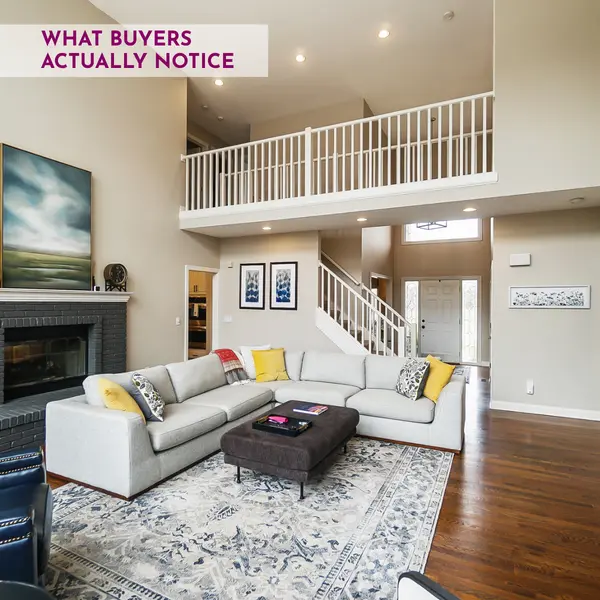
Buyers usually notice the overall atmosphere before individual features. Light, smell, cleanliness, clutter, flooring, visible maintenance and the first sightline into the home all contribute to that initial impression. The goal isn't to make the house perfect. It's to make those first few moments feel clean, bright, cared for and easy to understand.
Why Do the First 30 Seconds Matter?
Buyers don't walk into a home like inspectors. They walk in as people. They're absorbing the space before they've had time to analyze much of anything.
Does it feel bright? Does it smell clean? Does the home look maintained? Can they easily understand where the main living spaces are? Those impressions happen very quickly.
That doesn't mean a buyer will reject an otherwise great house because there are shoes near the door. But when several small distractions start piling up, they can change the overall way the home is perceived.
And buyers are often comparing several properties within a short period of time. By the end of a day of showings, they may not remember every countertop or light fixture, but they usually remember which homes felt especially good when they walked in.
"Buyers may not remember every detail, but they usually remember how a home came across when they first walked in."
Does the First Impression Actually Start Outside?
Yes. Buyers are forming an opinion before the agent even unlocks the door.

They're looking at the driveway, landscaping, porch, front door and the general condition of what they can see while they're waiting to enter. This doesn't require elaborate landscaping. A swept porch, trimmed plants, clean door and repaired loose hardware can go a long way.
One thing sellers sometimes overlook is the few seconds buyers spend standing directly in front of the door while their agent opens the lockbox. They're not rushing past that area. They're standing there looking around.
If there's peeling paint, dead plants, cobwebs or a loose handle, that may be one of the first maintenance clues they notice.
What Do Buyers Notice When They First Walk In?
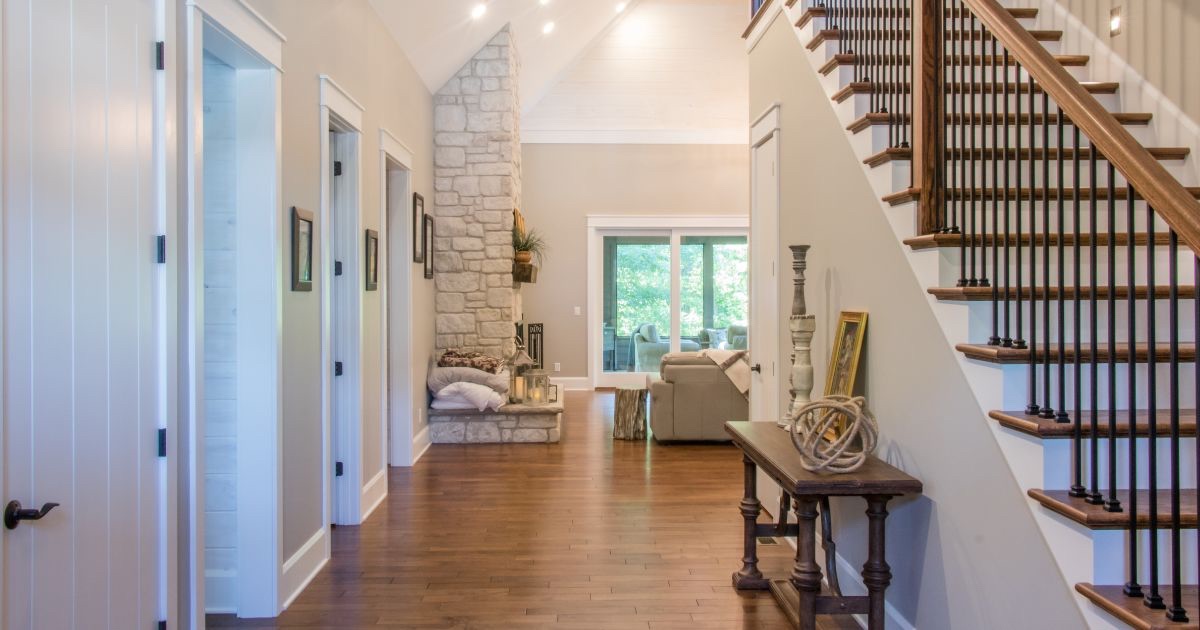
The entry doesn't have to be large or impressive. It needs to let the buyer settle into the house without immediately running into distractions.
They're likely taking in things such as:
- Whether the entry feels open or crowded
- The first view into the main living area
- Flooring condition
- Natural and artificial light
- Whether furniture blocks the flow of the room
- Visible clutter or everyday items near the door
This is where furniture placement can make a surprisingly large difference. The way a room functions for everyday life isn't necessarily the way it should be arranged for showings. Sometimes moving one chair or console table creates a much better sightline into the home.
This is also why professional staging can be helpful when a home needs it. Staging isn't about making the home look decorated. It's about helping buyers understand the space.
How Do Light, Smell and Sound Affect a Showing?
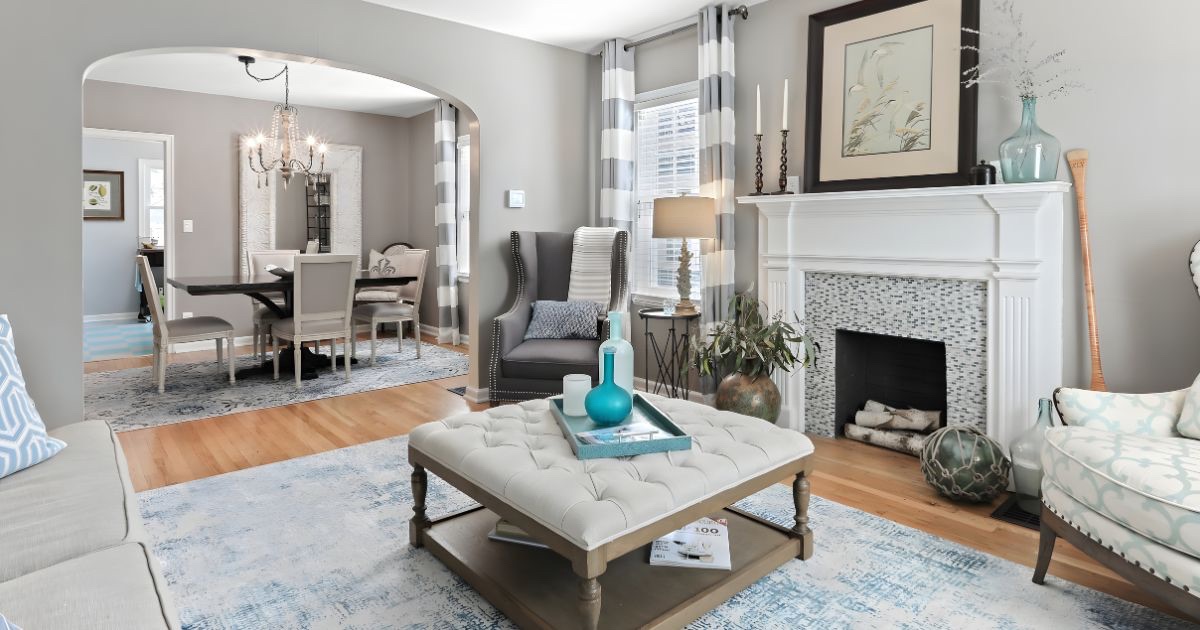
These are three things buyers notice without necessarily thinking about them individually.
Light: Open blinds and good lighting can make rooms easier to see and help a home feel brighter. This is especially important in rooms that don't get much natural light.
Smell: Clean and neutral is the goal. Heavy plug-ins, candles and artificial scents can be almost as distracting as the odor they're meant to hide. Pet smells, smoke, cooking odors and stale air are especially noticeable when someone first walks in.
Sound: A quiet home allows buyers to concentrate. Televisions, barking dogs and other distractions can make a showing feel rushed or uncomfortable.
Open the blinds, turn on lights in darker rooms, remove pets when possible, make sure the temperature is comfortable and keep scents neutral. You don't need to create an atmosphere. You just don't want anything competing with the house.
How Much Do Cleanliness and Clutter Matter?
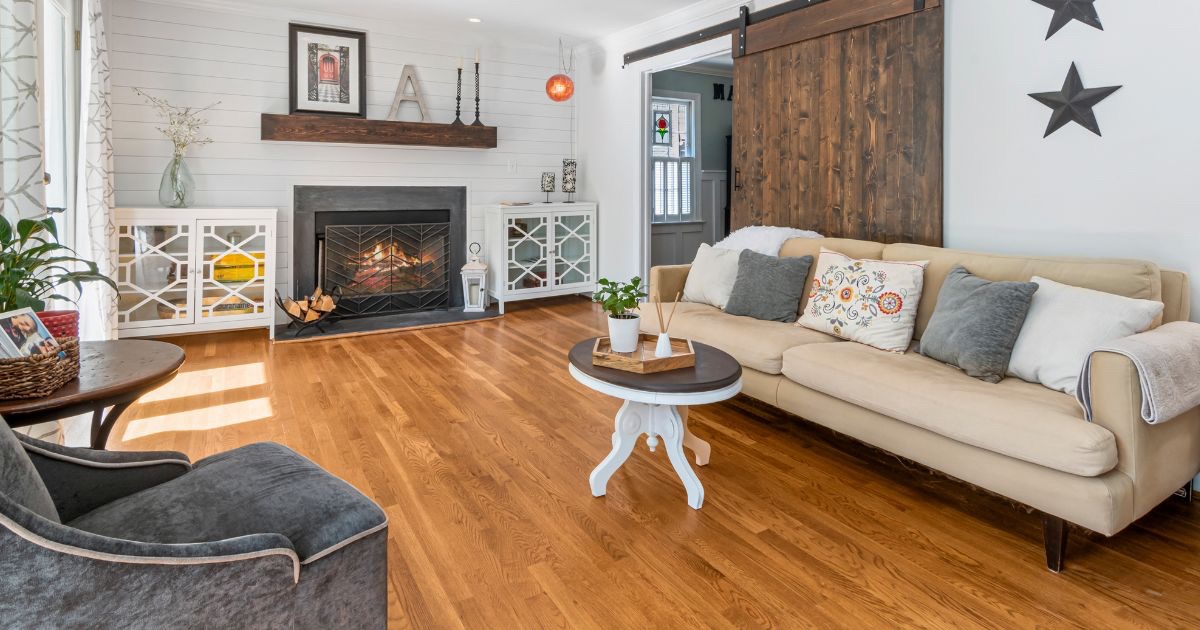
Quite a bit, because both affect how buyers see the space.
Cleaning is about more than making the home presentable. Dirty windows reduce natural light. Dusty baseboards make a room feel less maintained. Smudged appliances and bathroom mirrors stand out more during a showing than they do when you've lived with them every day.
Clutter is slightly different. The problem isn't that buyers are judging your belongings. It's that too many belongings can make it harder for them to understand the house.
That can include:
- Shoes, coats and bags around the entry
- Too much furniture in smaller rooms
- Overfilled kitchen and bathroom counters
- Large collections of personal items
- Closets packed tightly enough to suggest inadequate storage
You don't need to strip the house bare. You simply want enough breathing room that buyers notice the home before they notice everything in it.
What Does Condition Tell Buyers?
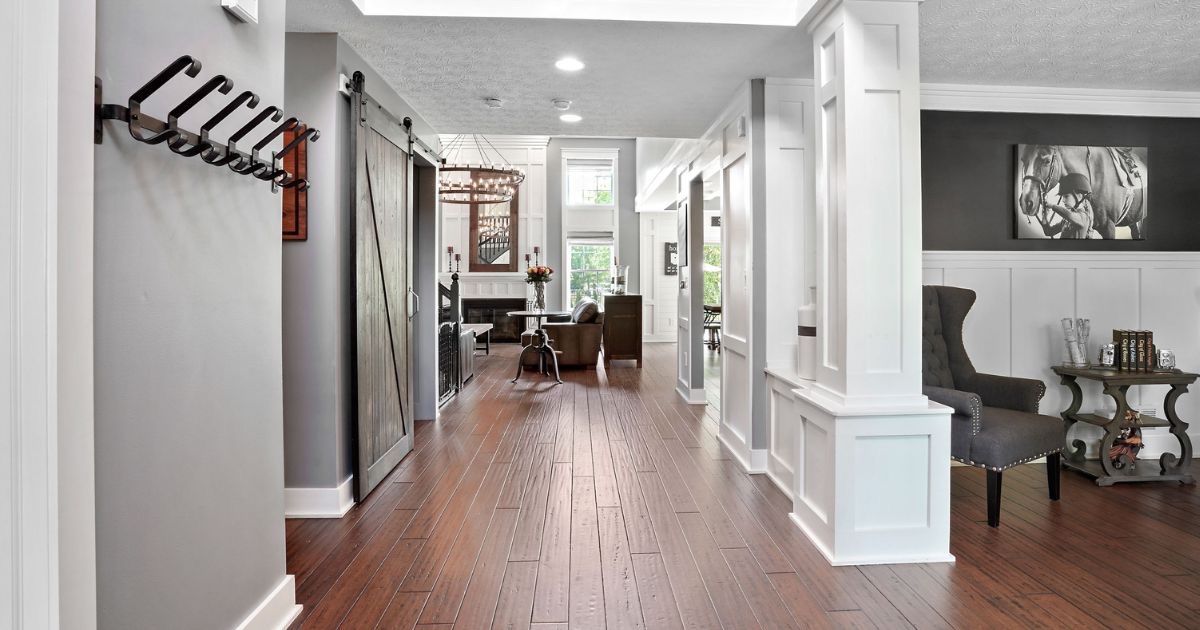
Buyers aren't conducting an inspection during those first moments, but they're collecting clues.
A damaged wall, loose door handle or badly stained carpet doesn't necessarily cost thousands of dollars to fix. The problem is that the buyer doesn't know yet whether it's one small issue or the first sign of many.
That's where visible maintenance can affect buyer confidence more than sellers sometimes expect.
If you're trying to decide what is worth addressing before listing, my guide to what to fix before selling your home goes deeper into which repairs deserve attention.
You may also want to read what actually adds value before selling. Those are related questions, but they aren't quite the same. Something can improve presentation without necessarily increasing your home's dollar value by the amount you spend.
Do Buyers Expect Everything to Be Updated?
No, and this is important because sellers sometimes hear "first impression" and assume they need to start replacing things.
An older kitchen can still show well. So can an older bathroom. Buyers understand the difference between dated and poorly maintained.
A clean kitchen with older cabinets may be perfectly acceptable at the right price. A renovated kitchen with burned-out lights, cluttered counters and unfinished repairs can still create hesitation.
That's why I focus first on what buyers actually notice rather than automatically recommending expensive updates. My article about the home improvements buyers notice most before you sell explains that distinction in more detail.
What Should You Do Before a Showing?
You shouldn't have to completely reset the house before every appointment. The more preparation you do before the listing goes live, the easier this gets.
Before a showing, I would focus on:
- Clearing the front porch and entry
- Opening blinds and curtains
- Turning on lights where rooms tend to be dark
- Clearing kitchen and bathroom counters
- Putting away shoes, bags and everyday clutter
- Making beds and straightening the main living spaces
- Removing pets when possible
- Keeping odors and artificial scents to a minimum
- Checking the temperature before leaving
The goal is not perfection. A buyer isn't expecting a museum. They just need to be able to concentrate on the home instead of everything happening around it.
Why Does This Matter Before Your Home Ever Hits the Market?
Preparation isn't just about having a good showing. It affects photography, buyer interest and how strongly the home starts once it's listed.
If buyers like what they see online, they schedule a showing. If the home then feels as good or better in person, you've removed one more reason for them to hesitate.
That early response matters. I've written separately about why the first 10 days on market are so important. Preparation and pricing are two of the biggest things we can control before that clock begins.
And that preparation has to match the price. A beautiful presentation won't fix an asking price that buyers don't see as reasonable, just as good pricing won't completely overcome a home that isn't showing well. Those pieces work together.
The first 30 seconds aren't about impressing buyers with expensive finishes. They're about removing the small things that make buyers hesitate. Clean, bright, simple and cared for usually goes much further than trying to make the home look perfect.
Thinking About Selling Your Central Ohio Home?
If you're getting ready to sell, I can walk through your home with you and help separate what actually needs attention from what probably isn't worth worrying about. Sometimes a few simple changes make a bigger difference than an expensive project.
The goal is to have the home ready before the buyers arrive, not to start fixing things after we see how they react.
The Front Porch Report
Practical advice, real stories and Central Ohio market insights to help you make smarter selling decisions.
Join the Front Porch ReportOne email every Tuesday. Unsubscribe anytime.
Frequently Asked Questions About First Impressions When Selling Your Home
What do buyers notice first when they walk into a house?
Does staging matter if my home is already clean?
Do I need to update my home before selling?
Should I use candles or air fresheners before a showing?
What should I remove before buyers tour my home?
How early should I start preparing my home for showings?
Rita Boswell is a Central Ohio real estate agent with Real of Ohio, helping homeowners throughout the Columbus area prepare, price and present their homes with a clear plan before they reach the market.
Representing Central Ohio Homes with Real of Ohio
Categories
Recent Posts









GET MORE INFORMATION