
Should You Sell Your Columbus Home As-Is or Take a Cash Offer?
If you've owned your home for a while, you've probably gotten the postcard. Or the text, or the call. Someone wants to buy your house as-is, for cash, on your timeline. And if you've been dreading the list of projects that usually comes before a sale, that offer can sound like a relief.
Here's the short version. Selling as-is and taking a cash offer are two different decisions, and you don't need the second one to get the first. You can list your home as-is on the open market, skip the repair projects, and still let cash buyers compete for it. Before you choose either path, it helps to know what your home is worth as it sits today, because that's the number every offer should be measured against.
Before you weigh an as-is listing against a cash offer, it helps to have a real number for your home in its current condition. I'm happy to walk through it with you, with no pressure either way.
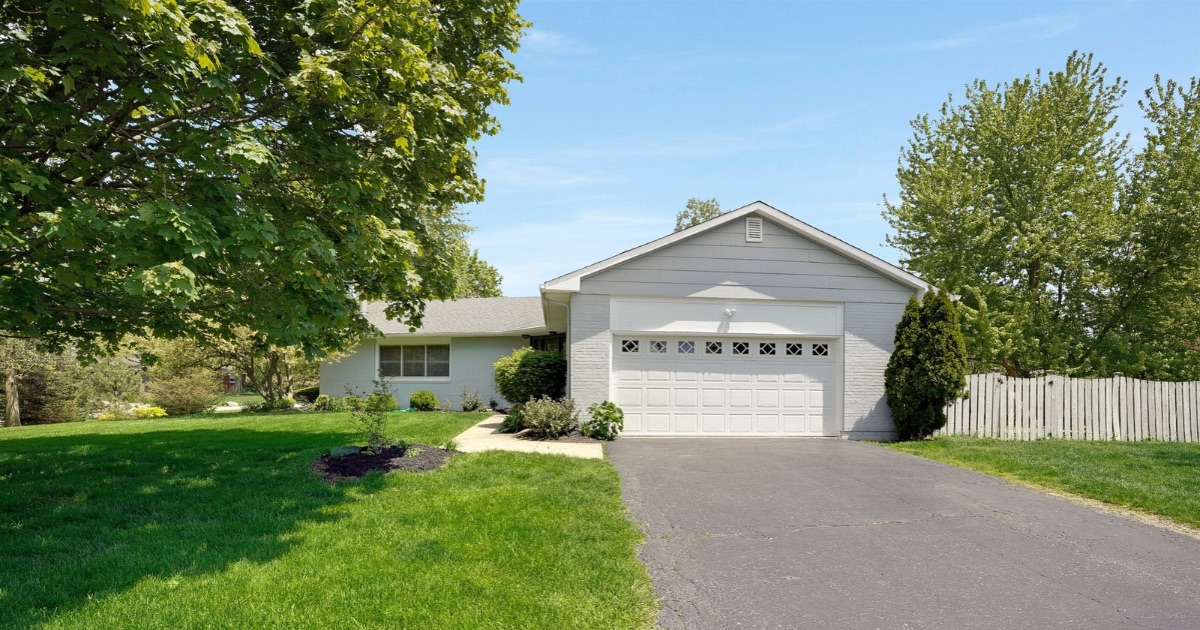
Selling as-is means you're selling your home in its current condition without agreeing to make repairs. In Ohio, most as-is sellers still complete the state's Residential Property Disclosure Form, and buyers can usually still inspect the home and walk away if their contract allows it. A cash offer from a we-buy-houses company trades price for speed and convenience, since those buyers build repairs, holding costs and profit into what they offer. For most Columbus homeowners, the smarter comparison is a cash offer against what the home would net if listed as-is on the open market, where cash buyers compete with everyone else.
The same choice comes up whether you're selling in Powell, Dublin, Westerville, Lewis Center, Worthington, Delaware or Galena.
What Does Selling a House As-Is Really Mean?
In plain English, as-is means you're selling the home in its current condition and you're not agreeing to fix anything before closing. The buyer knows that going in, and the price usually reflects it.
What as-is doesn't do matters just as much. It doesn't stop a buyer from having the home inspected. Depending on what the purchase contract says, a buyer who agreed to buy as-is, or even agreed to a contract with no repair requests, may still be able to terminate based on what the inspection finds.
It also doesn't excuse you from Ohio's disclosure form. Ohio law requires most sellers of one- to four-unit homes to complete the Residential Property Disclosure Form, and selling as-is isn't one of the exemptions. You disclose what you actually know about the home, the same as any other seller. I cover what belongs on that form in what you have to disclose when selling a home in Ohio.
And as-is doesn't protect a seller who hides something. Ohio courts have generally enforced as-is clauses, but they've also held that an as-is clause won't shield a seller who misrepresents the home or actively conceals a known problem.
What Happens If the Inspection Finds a Problem in an As-Is Sale?
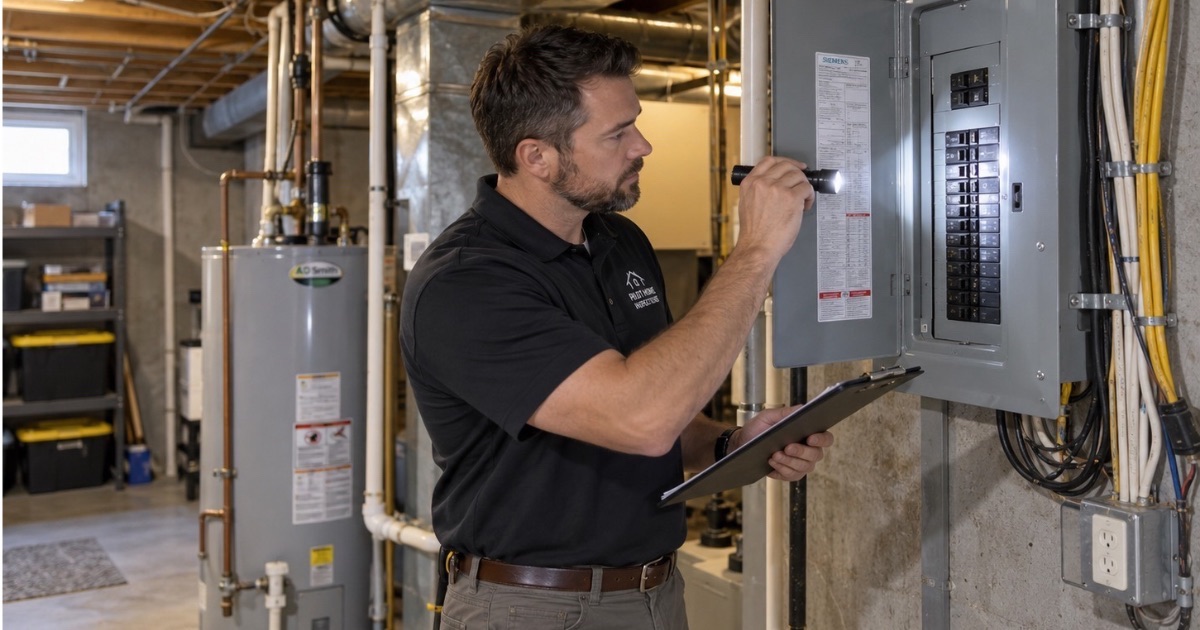
Say you're under contract. The buyer's been found, the contract's signed and the inspection is done. Then the inspector flags an electrical issue, and the buyer tells you they're not comfortable moving forward.
You sold as-is with no repair requests, so technically, you can let them walk. The honest answer is that it's worth a pause before you do. You've already found a buyer, negotiated the contract and made it through the inspection. Letting them go means putting the house back on the market over an issue that may be fixable.
There's another reason to pause. Once an inspection uncovers a material problem, you know about it. If the home goes back on the market, that issue may need to be disclosed to the next buyer, and their inspector will likely land on it anyway.
So the conversation I'd have with a seller is this: before we let this buyer walk, let's find out what's actually bothering them. If it's the electrical issue, maybe we offer to repair it, or offer a credit instead. Sometimes the answer is still to let them go, because their list is long or the repair isn't reasonable. But sometimes fixing one problem is a better financial decision than starting over with a new buyer. For a closer look at which requests are worth agreeing to, see which inspection repairs sellers should fix before closing.
As-is may be where the negotiation starts. It doesn't necessarily mean that's where it ends.
As-is tells buyers you're not planning to make repairs. It doesn't stop them from inspecting, it doesn't replace Ohio's disclosure form for most sellers, and it doesn't mean you have to sell to a cash company to avoid a list of projects.
When Does Selling As-Is Make Sense?
More often than people think, and it isn't a sign that something is wrong with the house. As-is doesn't mean distressed. A well-kept home in Dublin or Powell can be listed as-is just as easily as a house that needs work.
Here's where I see it fit:
- An inherited home, especially when the family lives elsewhere or doesn't want to take on projects. I walk through that process in how to sell a probate or inherited home.
- A long-time home where the owner is downsizing and doesn't want to manage repairs before the move.
- A seller who doesn't have the cash, the time or the energy for a round of repairs.
- A home that's solid but dated, where the price is going to reflect the condition either way.
Inherited homes have one extra wrinkle. Some are exempt from Ohio's disclosure form, such as a sale by the executor of an estate, or by an heir who inherited the home and hasn't lived in it during the past year. That exemption comes from how the home changed hands, not from the words as-is.
What I don't want sellers to assume is that those two words mean there won't be another conversation about condition once you're under contract. Buyers still want to know what they're buying, and an inspection can still give you a new decision to make.
How Do We-Buy-Houses Companies Decide What to Offer?
A we-buy-houses offer usually comes from one of three places: a local investor who plans to renovate and resell, an investor who plans to keep the home as a rental, or a wholesaler who plans to put your home under contract and sell that contract to another investor for a fee.
Either way, the offer starts from what the home could be worth after repairs and works backward. The buyer subtracts the repairs, the cost of holding the property, the cost of selling it again and the profit they need. What's left is what they can offer you. That isn't a criticism. It's how the business works, and it's why these offers generally come in below what the home would bring on the open market.
Ohio now says so in writing. Since March 2, 2026, a wholesaler has to give you a separate written disclosure, in bold type, before you sign a binding contract. It has to say that they're a wholesaler, that they don't represent you, that you're entitled to get advice from an attorney or a real estate professional, that they may assign the contract to someone else for a profit, and that the price may be below market value. Both of you sign it.
If a wholesaler skips that step, Ohio law lets you cancel the contract any time before closing without penalty, and any earnest money they put down goes to you. So if a cash buyer is vague about whether they'll be the one closing on your home, ask directly, and read the contract for assignment language.
Is a Cash Offer Worth It for Your Columbus Home?
It can be. A cash offer gives you things that have real value: no showings, no repairs and often a closing date that works around your move. For some sellers, those are worth more than the extra dollars.
The mistake is comparing the cash offer to nothing. The right comparison is the cash offer against listing the same home as-is on the open market, where investors can still bid but have to compete with every other buyer.
| Listing As-Is on the Open Market | We-Buy-Houses Cash Offer | |
|---|---|---|
| Who sees your home | Every buyer searching your area, including cash investors | One buyer, unless you collect several offers |
| How the price is set | Competition among buyers for the home as it is | The buyer's math: value after repairs, minus repairs, costs and profit |
| Repairs | None required, though you can choose to negotiate | None required |
| Showings | Yes, with some prep and scheduling | Usually one walkthrough |
| Timing | Depends on demand and the buyer's financing | Often faster, with a flexible closing date |
| What can still change | Inspection, appraisal and financing contingencies | The contract may include an inspection or due diligence period |
| Your costs | Listing commission and typical seller closing costs | Usually no listing commission, but read the contract for fees and who pays closing costs |
A cash offer tends to make the most sense when the home needs more work than most buyers will take on, when timing or privacy matters more than price, or when you've compared the numbers and the gap is smaller than you expected. If the offer itself feels low, the same thinking in how to respond to a lowball offer applies here too.
How Should You Decide Before You Sign Anything?
If you're leaning toward as-is because you don't want to deal with repairs, you don't need to decide that before you've even listed. I'd rather look at the house first.
There may be a few inexpensive things worth handling ahead of time. There may be other things I wouldn't touch. And there may be bigger issues where it makes more sense to see how buyers respond than to spend money you don't need to. My guide to what to fix before listing your home walks through how I sort those, and if you'd like to know what an inspector will find before a buyer's inspector does, a pre-listing inspection can help.
Then compare the two paths on the number that matters, which is what you walk away with:
- Get a real number for your home as it sits today, based on recent sales near you.
- Estimate what you'd net on the open market after commission and closing costs. My guide to how much you'll net from selling your home walks through that math.
- Estimate what you'd net from the cash offer after any fees or costs in that contract.
- Put a value on what the cash offer gives you: time, privacy and no showings.
- Decide whether the difference is worth it to you.
You don't need to fix everything. You need to make good decisions about what's worth fixing, and you need to know what a fast, easy sale is actually costing you before you say yes to one.

The Front Porch Report
Practical advice, real stories and Central Ohio market insights to help you make smarter selling decisions.
Subscribe to The Front Porch ReportThinking About Selling in Central Ohio?
If you're weighing an as-is sale or holding a cash offer, let's look at the house and the numbers together before you sign anything. I'll tell you what I think buyers will care about, what I'd leave alone, and what your home would likely net on the open market as it sits.
Frequently Asked Questions About Selling As-Is and Cash Offers
What does as-is mean when selling a house in Ohio?
It means you're selling the home in its current condition and you're not agreeing to make repairs. Most Ohio sellers still complete the Residential Property Disclosure Form, and buyers can usually still have the home inspected. Whether a buyer can walk away after the inspection depends on what the purchase contract says.
Do you have to disclose problems if you sell your house as-is in Ohio?
In most cases, yes. Selling as-is isn't one of the exemptions in Ohio's disclosure law, so you still complete the Residential Property Disclosure Form with what you actually know about the home. Some sales are exempt for other reasons, such as a sale by the executor of an estate. An as-is clause also won't protect a seller who misrepresents the home or hides a known problem.
Can a buyer back out of an as-is sale after the inspection?
Often, yes, if the purchase contract gives the buyer the right to terminate based on the inspection. As-is usually means the seller isn't agreeing to make repairs, not that the buyer gave up the right to inspect. If the buyer walks away over a material problem, you may need to disclose it to the next buyer, which is why a repair or credit is sometimes the better choice.
Is a we-buy-houses cash offer a good deal?
It can be when speed, privacy or the home's condition matters more than price. These offers usually come in below what the home would bring on the open market, because the buyer has to cover repairs, holding costs and profit. The best way to judge one is to compare what it would net you against what the same home would net if listed as-is.
How can you tell if a cash buyer is a wholesaler?
Ask directly whether they plan to close on the home themselves or assign the contract to another buyer, and read the contract for assignment language. Since March 2, 2026, Ohio law requires a wholesaler to give you a separate, signed disclosure saying they're a wholesaler, that they don't represent you and that the price may be below market value. If a wholesaler skips that disclosure, you can cancel the contract any time before closing without penalty.
Can you list a house as-is with a Realtor in Columbus?
Yes. Listing as-is on the open market tells buyers up front that you aren't planning to make repairs, while still putting the home in front of every buyer, including cash investors. The price and marketing reflect the home's condition, and you decide during negotiations whether any repair or credit makes sense.
This article is general information, not legal advice. Your signed purchase contract controls inspection rights, termination and whether any repairs are required. For a specific legal question, talk with an Ohio real estate attorney. Source: Ohio Revised Code 5302.30 (residential property disclosure), Ohio Revised Code 5301.95 (wholesaler disclosure, effective March 2, 2026), and Kern v. Buehrer, 2012-Ohio-4057.
Rita Boswell is a Dublin-based Realtor with Real of Ohio who helps move-up and downsizing homeowners sell in Powell, Dublin, Westerville, Lewis Center, Worthington, Delaware and Galena.
Representing Central Ohio Homes with Real of Ohio
Categories
Recent Posts





GET MORE INFORMATION