
Which Home Inspection Repairs Should Sellers Fix Before Closing?
A home inspection report is not a list of everything a seller must fix. It is a record of what the inspector observed, from small maintenance items to concerns that may affect safety, structure, or the way a major system functions.
That distinction matters. A long report can make a home sound as though it has dozens of serious problems when many of the items are normal for its age. I saw this firsthand during a recent Westerville transaction, where a lengthy repair request looked intimidating until we evaluated each item based on its impact rather than its place on the list.
Planning to Sell a Central Ohio Home?
Get a clearer idea of where your home stands before you decide what to repair, update, or leave alone.
Read the Central Ohio Home Selling Guide
A step-by-step guide to preparing, pricing, marketing, negotiating, and closing.
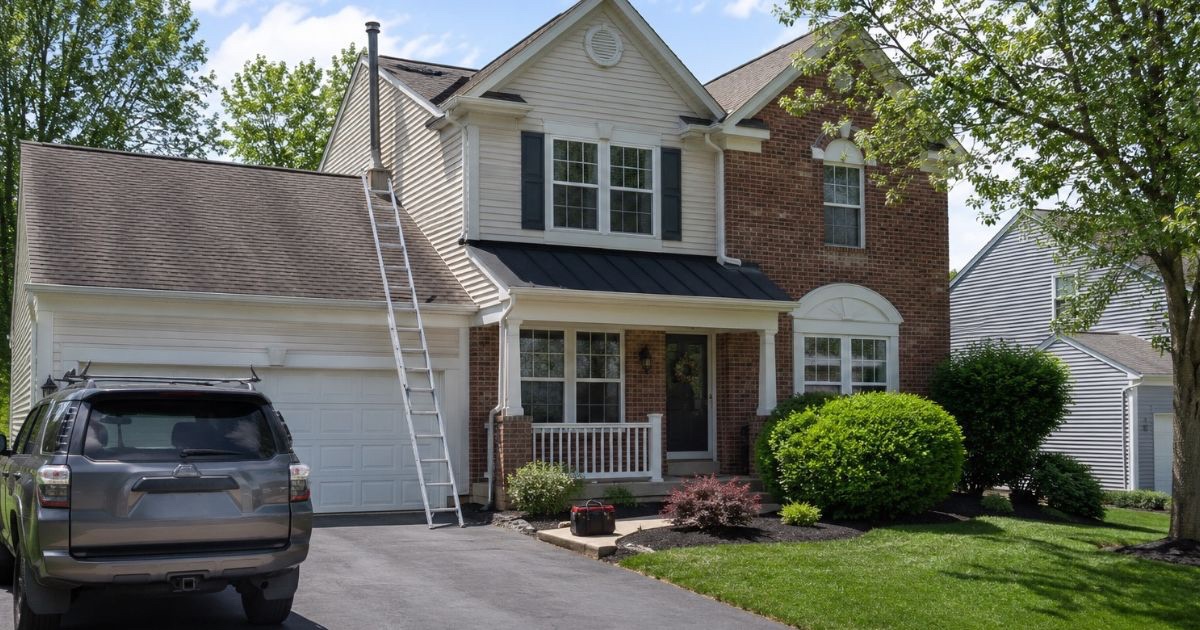
The repairs most worth negotiating after a home inspection are usually the ones tied to safety, active defects, structural concerns, water intrusion, or a major system that is not working properly. Cosmetic wear, routine maintenance, and items that are simply older are usually less important unless the contract says otherwise or the condition creates a larger concern.
- What does a home inspection report actually tell you?
- Which repair requests usually carry the most weight?
- Is a repair or a credit usually better?
- Can a buyer walk away over inspection repairs?
- What did this look like in a real Westerville sale?
- Should sellers make repairs before listing?
- How should a seller decide what to negotiate?
What does a home inspection report actually tell you?
Most sellers open an inspection report expecting a verdict on their home. What they receive instead is a detailed record of what the inspector could observe at the time of the inspection.
A worn caulk line, a loose handrail, an older water heater, an active plumbing leak, and a concern about the electrical panel may all appear in the same report. They are not equally serious, but the format does not always make that obvious.
Inspectors document what they see. They do not decide what the seller is required to repair, whether the buyer should continue with the purchase, or how the parties should negotiate. Those decisions depend on the contract, the condition of the home, the buyer's concerns, the seller's priorities, and the strength of the overall transaction.
A long inspection report does not automatically mean a home is in poor condition. It often means the inspector was thorough.
Which repair requests usually carry the most weight?
The strongest repair requests are usually connected to an active problem, not simply the age of an item. A furnace can be older and still operate properly. A newer furnace that is not working is a different issue.
Requests generally deserve a closer look when they involve:
- Safety concerns, including certain electrical, gas, fire, or handrail issues
- Active water intrusion, plumbing leaks, or moisture concerns
- Structural movement or damage that may need further evaluation
- A roof leak or another defect affecting the home's ability to keep water out
- A major system or appliance included in the sale that is not functioning properly
- Conditions that could prevent the buyer from obtaining financing or insurance
Requests usually carry less weight when they involve cosmetic wear, routine maintenance, minor adjustments, or an item that is older but still working. That does not mean those requests must be ignored. It means they should be considered in proportion to the actual concern.

Which Inspection Items Usually Matter Most?
| Usually deserves closer review | Usually lower priority |
|---|---|
| Active roof or plumbing leaks | Paint touchups and small wall marks |
| Electrical, gas, or fire-safety concerns | Worn carpet or dated finishes |
| Structural concerns needing evaluation | Minor nail pops or cosmetic drywall cracks |
| Major systems that are not functioning | Routine caulking and small adjustments |
| Conditions affecting financing or insurance | Older items that are still working |
Every home and contract is different. This is a practical way to organize the discussion, not a rule that decides how a specific item must be handled.
Is a repair or a credit usually better?
It depends on the item.
A repair may make more sense when the problem needs to be corrected before closing, when the lender or insurance company requires it, or when both parties want certainty that the work will be completed. Sellers should be careful about agreeing to broad wording such as "repair as needed" without clearly defining the work, who will complete it, and what documentation will be provided.
A credit may be cleaner when the buyer would prefer to choose the contractor or the final replacement. It can also help a seller avoid trying to coordinate several contractors in a short period. However, a credit has to fit within the lender's rules and the terms of the purchase agreement. It is not always possible to simply reduce the buyer's cash due at closing by any amount the parties choose.
Before agreeing to either approach, I want the seller to understand what the buyer is actually asking for, what it may cost, and whether the proposed solution creates another problem later.
Can a buyer walk away over inspection repairs?
A buyer's options depend on the inspection contingency and the exact terms and deadlines in the signed purchase contract. In many Ohio transactions, the contract gives the buyer a defined inspection period and explains what happens if the inspection is unsatisfactory or the parties do not reach an agreement.
Depending on the contract, a buyer may accept the property as it is, request repairs or another remedy, continue negotiating, or terminate within the rights provided by the agreement. The inspection report itself does not automatically cancel the sale, and a buyer should not assume every contract provides the same options.
This is one reason deadlines and written responses matter. A good negotiation can still create a serious problem when someone misses a date or relies on a verbal understanding that was never added to the contract.
The inspection period is not a second chance to renegotiate the entire purchase without regard to the contract. It is a defined part of the transaction, and both sides need to understand exactly what their agreement allows.
What did this look like in a real Westerville sale?
I recently worked with a Westerville seller who received a Request to Remedy with 22 items. I called her before she had even opened the inspection report because I knew the length of the list would feel worse than the substance of it.
We went through the report together, line by line. Most of the items were minor. There was a ground-fault circuit interrupter outlet that needed attention, small drywall cracks that appeared consistent with ordinary settling, and a door that stuck slightly. One item stood out. The water heater was original to the home and had reached an age where replacement was a reasonable concern.
The buyer requested that nearly everything be addressed. We responded by agreeing to the water heater and declining the smaller items. The buyer came back again on a few of those items, but we held our position. The buyer ultimately accepted the response and moved forward with the purchase.
Not every negotiation ends that cleanly. Some buyers push harder, and some sellers decide that giving a little more is worth protecting the closing. This one worked because our response was not arbitrary. We had a clear reason for what we agreed to and what we declined.
Before I recommend a response, I separate the report into what affects safety or function and what falls under ordinary maintenance. Once we do that, the negotiation usually becomes much clearer.
Should sellers make repairs before listing?
Sometimes. The goal is not to fix every imperfect part of the house. The goal is to remove the issues most likely to concern buyers, complicate financing or insurance, or create a preventable negotiation after the home is under contract.
Before listing, I would give the most attention to active leaks, known safety concerns, items that are clearly not functioning, deferred maintenance that makes the home appear poorly cared for, and repairs that could become more expensive if ignored.
I would be more careful about spending heavily on cosmetic projects without first looking at the likely return. A seller can easily spend thousands of dollars on work buyers would not have requested or would have preferred to choose themselves.
That is why preparation should begin with a plan, not a contractor's wish list. My article on deciding what to fix before selling explains how I sort necessary work from improvements that may not be worth the cost.
How should a seller decide what to negotiate?
Start by slowing the conversation down. A long list can create pressure to answer quickly, but the seller needs to understand each request before agreeing to anything.
I usually look at five questions:
- Is there an active defect or a safety concern? An item that is not working deserves a different response from one that is simply older.
- Could the issue affect financing or insurance? Some items may have to be addressed for the transaction to close.
- Is the request supported by the inspection report? The wording of the request should match what the inspector actually found.
- What would the repair or credit reasonably cost? A contractor's estimate may be useful when the scope is unclear.
- What is the risk of saying no? The answer depends on the contract, the buyer's position, the seller's priorities, and the strength of the market response to the home.
A seller who refuses to consider a real problem can put the transaction at risk. A buyer who treats every maintenance note as a major defect can do the same. The strongest outcome is usually a response that is fair, specific, and tied to the actual condition of the home.
What am I seeing across Central Ohio?
Across Westerville, Powell, Lewis Center, Dublin, and Delaware, I am seeing buyers use a mix of repair requests, credits, and price adjustments depending on the house and the issue. Credits are often appealing because the buyer can control the work after closing, but they are not automatically the best solution.
The smoother negotiations are usually the ones where both sides stop counting the number of items and focus on what actually affects the home. When the response becomes a line-by-line argument over every outlet cover and caulk line, the size of the disagreement can quickly become larger than the cost of the repairs.

How does the original offer affect the inspection negotiation?
The inspection does not happen in isolation. The seller also needs to consider the price, financing, appraisal risk, closing timeline, possession terms, and other concessions already included in the agreement.
A buyer who offered a strong price but included several layers of risk may not have written the strongest offer after all. That is why I encourage sellers to look beyond the top-line number when choosing a buyer. You can read more about why the highest offer is not always the best offer.
Pricing also affects how much room a seller has when a repair issue appears. A home that was priced realistically and received strong early interest may give the seller more confidence than a home that sat on the market before receiving one offer. My article on what overpricing your home can cost explains why that early market response matters.
Thinking About Selling in Westerville?
Inspection negotiations are easier when you have already thought through the home's condition, the likely buyer concerns, and the areas where it makes sense to be flexible. You do not need to repair everything before listing, and you should not agree to every request simply because it appears in an inspection report.
If you are planning to sell a home in Westerville or another Central Ohio community, it is never too early to start the conversation. I can walk through the home with you, help you decide what is worth addressing, and explain how those decisions may affect your pricing and selling strategy.
| Request a Home Valuation | Let's Talk |
The Front Porch Report
Practical advice, real stories and Central Ohio market insights to help you make smarter selling decisions.
Join the Front Porch ReportOne email every Tuesday. Unsubscribe anytime.
Related Reading
Frequently Asked Questions
What does a home inspection report actually tell a buyer?
A home inspection report documents the conditions the inspector observed at the time of the inspection. It may include minor maintenance items, older components, active defects, safety concerns, and recommendations for further evaluation. It does not determine which repairs a seller must make.
What is a Request to Remedy in an Ohio real estate transaction?
A Request to Remedy is a written document used to identify inspection-related repairs or other remedies a buyer is requesting. The seller may agree, decline, or propose a different solution, subject to the terms and deadlines in the purchase contract.
Which repair requests are worth negotiating after a home inspection?
Repair requests tied to safety, active water intrusion, structural concerns, or a major system that is not functioning usually deserve the closest attention. Cosmetic wear, routine maintenance, and older items that still work are generally lower priorities, although every home and contract is different.
Does a seller have to fix everything in an inspection report?
No. An inspection report is not a mandatory repair list. A seller's obligations and the buyer's options depend on the signed purchase contract and any written agreement the parties reach during the inspection period.
Can a buyer walk away if the seller refuses repairs?
Possibly. The buyer's right to terminate depends on the inspection contingency, the contract deadlines, and the language of the signed agreement. Buyers and sellers should rely on the contract rather than assume every Ohio transaction follows the same process.
Should a seller offer a repair credit instead of completing the repair?
A credit may work well when the buyer wants to choose the contractor or replacement after closing. A repair may be better when the work must be completed before closing or is required by a lender or insurer. Any credit must also comply with the buyer's financing and the purchase contract.
Should sellers repair problems before listing their home?
Sellers should usually give early attention to active leaks, known safety concerns, nonfunctioning systems, and deferred maintenance that may alarm buyers or affect financing or insurance. Cosmetic updates and expensive replacements should be evaluated carefully before money is spent.
Rita Boswell helps buyers and sellers throughout Central Ohio, including Westerville, Powell, Lewis Center, Dublin, Delaware, and surrounding communities.
Rita Boswell Group, Real of Ohio
Categories
Recent Posts










GET MORE INFORMATION