
What Should You Update Before Selling Your Home?
Once you start thinking about selling, it is easy to look around the house and suddenly see a long list of projects. The dated bathroom. Worn carpet. Older light fixtures. Scuffed paint. Kitchen cabinets that are not the newest style.
The temptation is to assume that the biggest project will make the biggest difference. But that is not usually how buyers experience a home. They do not walk through adding up what every improvement cost. They react to the overall condition, how the home feels compared with others they have seen, and whether anything distracts them from the home's best features.
The better question is not, “What can I update?” It is, “What will buyers actually notice, and which improvements are worth the time and money before I sell?”
Getting Your Home Ready to Sell?
Before you start hiring contractors, use my Buyer Notice Checklist to look at your home the way a buyer is likely to see it.
Get the Buyer Notice Checklist Request a Home Valuation
The improvements that usually make the most sense before selling are the ones buyers notice quickly, that remove distractions, or that help the home compete better with similar listings. Fresh paint, better lighting, clean flooring, small repairs, updated hardware, curb appeal and strong presentation often matter more than a major kitchen or bathroom remodel.
- Should you repair, refresh or renovate?
- What do buyers notice most?
- Do you need to remodel the kitchen or bathrooms?
- Why do flooring and lighting matter so much?
- What about roofs, furnaces and other major systems?
- Can you over-improve for the neighborhood?
- What have I seen with actual sellers?
- Where should you start?
Repair, Refresh or Renovate?
This is one of the first distinctions I make when I walk through a home with a seller.
A repair takes care of something that is broken, damaged, unsafe or likely to become a concern during an inspection. A refresh improves how the home looks and feels without turning into a major project. A renovation changes a larger part of the home and usually requires more money, time and disruption.
Repairs do not always increase the sale price, but they can protect the sale by reducing objections. Refreshes often have the biggest impact on presentation because they affect what buyers see throughout the house. Renovations can make sense, but only when the likely return and the home's price range justify them.
Before spending money, ask whether the project fixes a problem buyers will notice or simply adds something you would personally enjoy.
What Do Buyers Actually Notice?
Buyers form an overall impression as they move through the home. Fresh paint, clean flooring, updated lighting, uncluttered rooms, clean bathrooms, newer-looking hardware and a well-maintained exterior can all affect that impression quickly.
I have seen sellers spend heavily on one feature while something much less expensive became the thing buyers talked about after the showing. A beautifully updated kitchen can still be competing with worn carpet. A nice primary suite can feel darker than it should because of an outdated light fixture. A well-maintained home can still look tired because of scuffed paint or overgrown landscaping.
That is also why good staging and preparation can help buyers see the home more clearly. The goal is not to make everything new. It is to make sure relatively simple distractions are not overshadowing what the home already has going for it.
Do You Really Need to Remodel the Kitchen or Bathrooms?
Usually, not automatically.
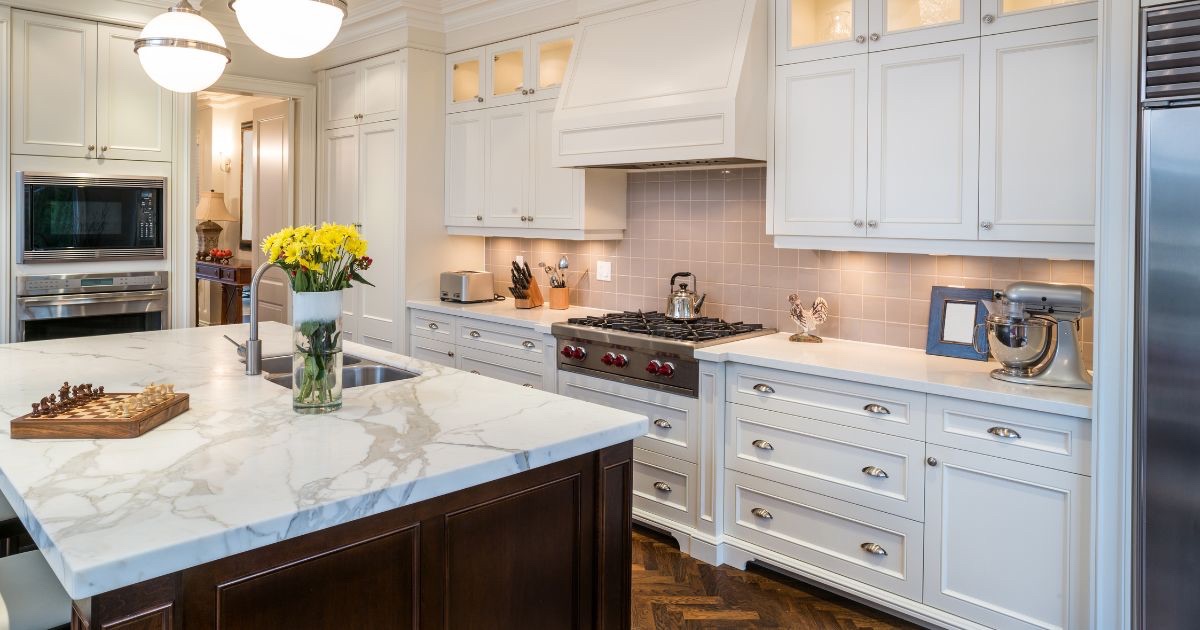
If kitchen cabinets are structurally sound but look dated, painting them and changing the hardware may be enough. If they are clean and in good condition, leaving them alone may make more sense than replacing them simply because they are not the newest style.
Bathrooms are similar. A deep clean, fresh caulk, touched-up grout, neutral paint, updated lighting or a newer mirror can change how the room feels without turning it into a full remodel.
Major remodeling can certainly help in the right home, but the cost has to make sense when compared with competing listings and recent sales. Buyers do not automatically pay dollar-for-dollar for the work a seller chooses to complete.
Why Do Flooring and Lighting Matter So Much?
Flooring is something buyers experience throughout the house. They walk across it in the entry, up the stairs, through the hallway and into the bedrooms. That is why badly worn carpet or damaged flooring can affect the way buyers see the entire home rather than one particular room.
Sometimes professional carpet cleaning is enough. Other times, replacing noticeably worn carpet before listing can make a bigger difference than putting the same money into a decorative upgrade somewhere else.
Lighting works much the same way. A few dated fixtures, dark rooms or mismatched bulb colors can make an otherwise well-kept home feel older. Replacing the fixtures buyers notice most and making the light throughout the home feel consistent can be a relatively inexpensive refresh.
Where Would I Usually Start?
| Often Worth Addressing | Usually a Lower Priority |
|---|---|
| Paint dated but sound cabinets and update hardware | Completely replacing cabinets that are still functional |
| Professionally clean or replace badly worn carpet | Replacing good flooring simply because it is not the newest style |
| Update noticeably dated light fixtures and match bulb color | Replacing fixtures that already look current and work well |
| Deep clean bathrooms, replace old caulk, touch up grout and paint | Doing a complete bathroom remodel without first reviewing comps |
| Pressure wash, trim landscaping, refresh mulch and clean the entry | Large landscaping or hardscaping projects right before listing |
Every home is different. Condition, price range, likely buyer and neighborhood expectations all matter.
What About the Roof, Furnace and Other Major Systems?
Major systems matter, but they affect the sale differently from cosmetic improvements. A newer roof, furnace, electrical panel or plumbing system can reassure buyers and reduce inspection concerns. Those projects often protect the value you already have rather than create an equal increase in sale price.
Age alone does not automatically mean something has to be replaced before listing. Condition, remaining life, likely inspection concerns and the expectations of buyers in the home's price range all matter.
If you are weighing whether to make a repair now or deal with it later in the transaction, it can also help to understand which inspection issues tend to matter most once a home is under contract.
Can You Over-Improve for the Neighborhood?
Yes. Being one of the nicest homes in the neighborhood can help, but there is still a limit to what buyers will pay in a particular location and price range.
A large renovation does not automatically increase value by the same amount. Once the projected price moves well beyond comparable sales, buyers may start comparing the home with properties in a different neighborhood, on larger lots, with newer construction or with features your home cannot add through remodeling.
Before spending heavily on improvements, it also helps to look at the decision from the other end of the transaction: how much you may actually net when you sell your home. An improvement only makes financial sense if the likely benefit justifies what you spend before the home ever reaches the market.
The goal is not to make your home the most improved at any cost. The goal is to make it one of the best choices available in the price range where it belongs.
That decision has to work together with how the home is priced from the beginning. It is also why an appraisal and a buyer's opinion of value are not always the same thing.
Two Real Examples of Where Sellers Can Overspend
I had a seller in Dublin who had already replaced her kitchen cabinets before she called me. The original cabinets were still in good condition. She simply wanted a different look, and the new kitchen looked very nice.
Upstairs, however, the carpet was original to the home and showing its age. During showings, buyers complimented the kitchen, but the comments I kept hearing were about the carpet on the stairs and in the bedrooms.
The new cabinets did not hurt the home, but they also did not change the buyers' overall reaction as much as the seller probably expected. Replacing the worn carpet at a fraction of the cost likely would have made a bigger difference.
I also worked with a Powell seller who was considering a full primary bathroom remodel before listing. She was looking at new tile, a new vanity and a walk-in shower. It would have looked beautiful, but it also would have cost tens of thousands of dollars and taken months to complete.
Before she hired a contractor, we reviewed recent sales in her neighborhood. The strongest sales did not all have newly remodeled primary bathrooms. What they had in common was fresh paint, updated lighting, clean finishes and an overall feeling that the homes had been well cared for.
She chose the smaller plan. For her neighborhood, timeline and budget, that made much more sense than building a bathroom she would barely have time to enjoy.
What Should You Prioritize Before Listing?
Do not begin with a contractor's estimate or a long wish list. Begin with the home, the likely buyer, the competing listings and recent sales in the neighborhood.
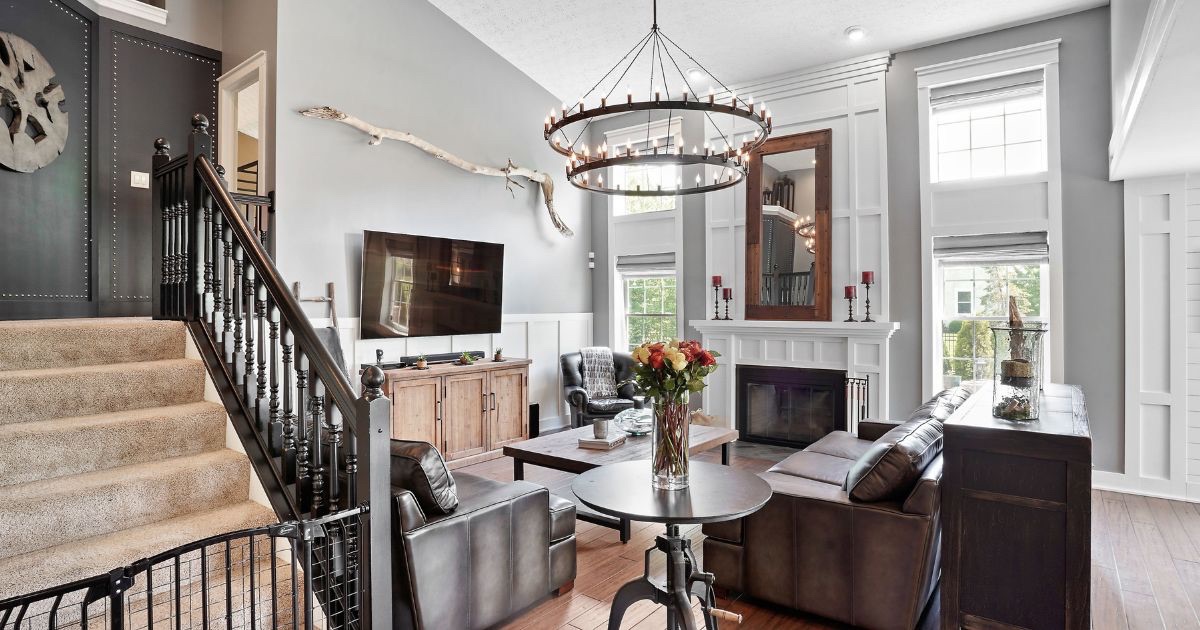
In many homes, I would start by taking care of obvious repairs and deferred maintenance, removing strong colors or worn finishes that distract buyers, improving lighting where rooms feel dark or dated, deep cleaning, reducing excess furniture and belongings, and using staging where it helps buyers understand the space.
Only after that would I consider whether a larger remodel is likely to make enough difference to justify the cost.
A useful filter is to ask:
- Will buyers notice it quickly? If not, it may not be the first place to spend money.
- Will most buyers notice it? Flooring, lighting, paint, cleanliness and exterior condition affect almost everyone who walks through the home.
- Can a smaller fix solve the problem? Paint, cleaning, caulk, hardware and landscaping can often make a noticeable difference without replacement.
- Does it make sense for the home's price range? What I would recommend for one home may be completely unnecessary for another.
- Will it help the home compete better? The goal is not perfection. It is stronger positioning.
- Can it be completed before photography and showings? A project that delays the listing may create a new problem.
If you are getting close to listing, timing matters because the first ten days on the market often shape the rest of the sale.
Before You Start a Project, Use the Buyer Notice Checklist
I put together a simple checklist to help sellers look at their home the way a buyer is likely to see it.
It covers the exterior and front entry, kitchen, bathrooms, flooring, lighting and other whole-house details, along with smaller improvements worth considering depending on the home.
One question is especially useful: Will a buyer notice this within the first few minutes of walking through the home?
If the answer is yes, it deserves a closer look. If the answer is no, I would think carefully before spending the money.
Thinking About Selling Your Central Ohio Home?
If selling may be in your future, it is never too early to walk through the house and decide what is worth doing.
I would much rather help you make those decisions before you start hiring contractors than after the money has already been spent. Sometimes I recommend making an improvement. Sometimes my advice is to leave it alone.
The goal is to spend your time and money where it will matter most to the buyers who are likely to walk through your home.
| Request a Home Valuation | Let's Talk |
The Front Porch Report
Practical advice, real stories and Central Ohio market insights to help you make smarter selling decisions.
Join the Front Porch ReportOne email every Tuesday. Unsubscribe anytime.
Related Resources
Frequently Asked Questions
What home improvements do buyers notice most?
Buyers tend to notice visible details that affect the overall condition of the home, including fresh paint, flooring, lighting, clean caulk, cabinet hardware, cleanliness and exterior maintenance.
Should I replace kitchen cabinets before selling?
Usually not if the cabinets are structurally sound. Depending on their condition, painting them or changing the hardware may be enough. In some homes, leaving them alone is the better decision.
Is replacing carpet worth it before selling?
It can be, especially when carpet is badly worn, stained or noticeably dated. Because buyers experience flooring throughout the home, worn carpet can have a bigger effect on their overall impression than many more expensive improvements.
Do I need to remodel my bathroom before selling?
Not necessarily. Deep cleaning, replacing old caulk, touching up grout, painting, or updating a light fixture or mirror may be enough to make the bathroom feel fresh and well maintained.
Do I need to replace an older roof or furnace before listing?
Not always. Age alone does not automatically mean replacement is necessary. Condition, likely inspection concerns, the price of the home and how the property compares with similar listings should all be considered.
Can I spend too much on renovations before selling?
Yes. A large renovation can push your total investment beyond what buyers are likely to pay in the neighborhood. The cost of a project does not automatically translate into an equal increase in value.
How do I decide what to update before selling?
Start with a walk-through of the home and a review of recent comparable sales. Look for repairs that could create concern, visible features that make the home feel dated, and improvements buyers are actually rewarding in your specific neighborhood and price range.
Rita Boswell is a Columbus, Ohio area Realtor with Real of Ohio, helping sellers make practical decisions about preparing, pricing and marketing their homes throughout Central Ohio, including Dublin, Powell, Westerville, Lewis Center, Delaware and surrounding communities.
Rita Boswell Group, Real of Ohio
Categories
Recent Posts










GET MORE INFORMATION