
Does an Appraisal Decide What Your Home Is Worth?
Does an appraisal determine what your home is worth?
No. An appraisal is a lender's opinion of value based on recent sales. Market value is what a buyer is willing to pay today. Most of the time the numbers are similar, but an appraisal does not decide what your home is worth in the open market.
If you're getting ready to sell in Central Ohio, you've probably wondered whether the appraisal is the number that settles everything. The short version is no. An appraisal is an important piece of information, but it answers a different question than the one a buyer is answering when they decide how much your home is worth to them.
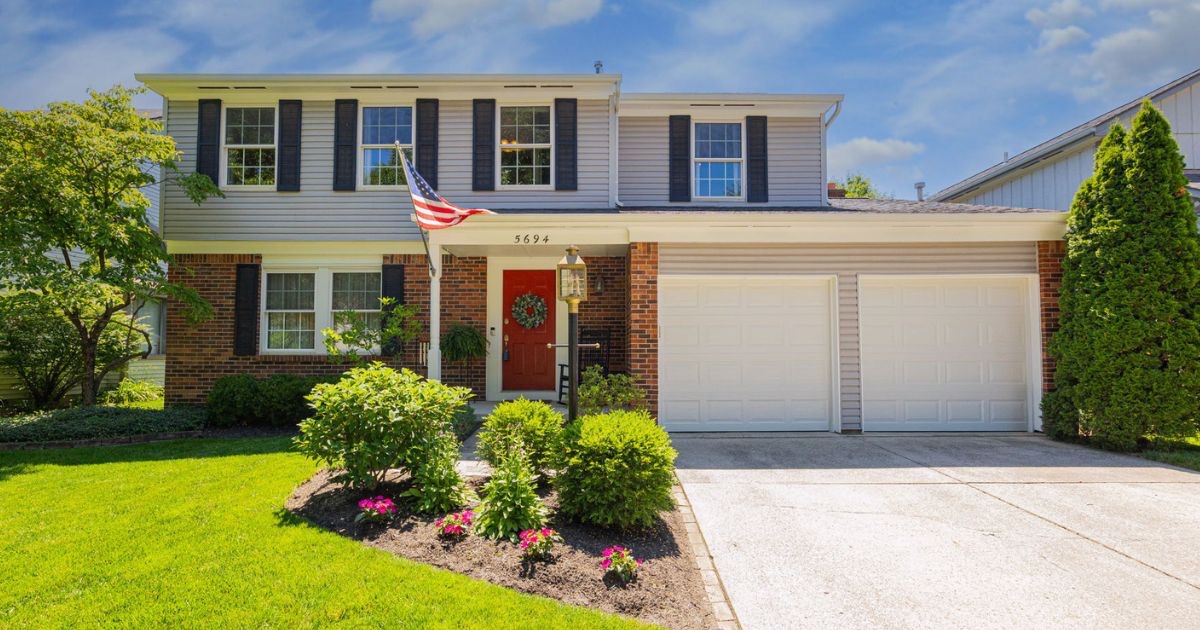
An appraisal does not decide what your home is worth. It's a lender's opinion of value based on sales that have already closed, used to protect the loan. A buyer's offer is a separate opinion based on what they're willing to pay right now compared to every other home they could buy. Most of the time those two numbers line up closely. When they don't, the appraisal isn't a verdict, it's one input among several, and the market's signals matter just as much.
What does a home appraisal actually measure?
Most people picture an appraisal as a neutral expert handing down the official, final value of a home. It feels objective, and that's where the confusion starts. An appraisal is built to support a lender's loan. When a buyer needs financing, the lender wants to confirm the home is worth enough to back the money they're putting up. The appraiser answers that specific question.
To do it, an appraiser looks backward at recent closed sales of similar homes, makes adjustments, and lands on a supported number. That's genuinely useful, and in a financed sale it can make or break the deal. What it isn't is a complete picture of what your home is worth to the person who actually wants to live in it.
Not all comparable sales tell the same story. Two homes can be close in size and location but still appeal very differently to buyers because of updates, lot, layout, condition or other features. That's why choosing the right comparable sales matters just as much as finding nearby sales.
Appraisers also work within guidelines that buyers don't. A buyer might happily compare a split level to a two-story because both sit in the same area, have similar updates, and solve the same problem for that buyer. An appraiser may not be able to make that same comparison, because they're required to stay within certain parameters. Neither view is wrong. They're just looking at value through different lenses.
If you're planning to sell, understanding the difference between an appraisal and market value is only part of the equation. The other piece is learning how to price your home right, because buyers aren't comparing your home to an appraisal report. They're comparing it to every other home they can buy this week.

Why is an appraisal sometimes lower than a buyer's offer?
Because a buyer and an appraiser are answering two different questions. The appraiser is asking what similar homes have already closed for. That's a rearview-mirror view, built on deals that happened weeks or months ago. The buyer is asking how much they want this particular home compared to everything else available to them right now.
That's why a buyer will sometimes pay more than the comparable sales would suggest. They're not buying a spreadsheet of past closings. They're buying the home that finally felt right after a long search, the one that offered something they couldn't easily find anywhere else. The appraiser doesn't get to weigh that. The buyer can't help but weigh it.
An appraisal looks backward at what already sold. A buyer's offer looks forward at what your home is worth to them today. When those two numbers disagree, it usually isn't a mistake. It's two different questions getting two different answers.
What happens if the appraisal comes in below the contract price?
It happens more often than sellers expect, and it doesn't have to end a deal. In my experience, the transactions that hold together are the ones where everyone understood from the start that the appraisal isn't the final judge of value. It's one important piece, not the whole story.
An appraisal can't see that three other buyers wanted the home. It can't see the energy of a strong first weekend of showings, or the fact that buyers kept choosing this home over the others they toured. What it can do is offer an opinion grounded in sales that have already happened. I've watched an appraisal feel low at the time, then seen similar homes sell a few months later and realized the appraiser wasn't as far off as I first thought. I've also seen buyers pay more because a home gave them something they couldn't find elsewhere.
This is one reason two homes that look similar on paper can receive very different reactions from buyers. Strong demand can sometimes push offers above recent comparable sales, while another home may struggle to generate interest at all. I wrote more about why some Central Ohio homes sit while others sell fast because pricing is only one piece of the equation.
When the two numbers don't match, you have options. A buyer can bring additional funds to cover the gap, the two sides can meet somewhere in the middle, or the appraisal can be reviewed if there's a genuine case to make. The right move depends on the specific deal, which is exactly why it helps to understand what an appraisal is before you're standing in that moment.

Are appraisals a problem in the Central Ohio market right now?
For the most part, appraisals are not the problem sellers sometimes expect them to be. In many transactions, the appraisal comes in at or near the contract price and the sale moves forward without much discussion.
Where it can get tight is the home that draws multiple buyers and gets pushed well beyond what recent sales would have suggested. Those are the situations where buyers may be seeing value that hasn't fully shown up in the closed comps yet. That's not a reason to panic. It's a reason to understand, before you list, how a backward-looking appraisal and forward-looking buyer demand can pull apart on a home that sells for a real premium.
If not the appraisal, what should sellers watch instead?
If you're thinking about selling in the next year, the most useful thing you can do is avoid getting too attached to any single number. Not the Zestimate, not a neighbor's sale, and not even the appraisal. Real value tends to be a combination of all of those, plus something harder to measure: what buyers are actually willing to do once your home hits the market.
That's why I pay attention to the live signals. Are buyers scheduling showings? Are they coming back for a second look? Are offers coming in, and how strong are they? That's the market talking, and it often tells you more than any one report can. The appraisal matters and the recent sales matter, but each one only tells part of the story.
If you're trying to understand what your home might be worth today, it also helps to know which updates matter and which ones don't. Not every project adds value, and some of the biggest returns come from the improvements buyers actually pay for when comparing homes.
Thinking About Selling in Central Ohio?
If you'd like to talk through what buyers might see in your home and where your value really sits before you list, I'm always glad to have that conversation. No pressure, just a clear, honest read on your specific situation.
The Front Porch Report
Practical advice, real stories and Central Ohio market insights to help you make smarter selling decisions.
Join the Front Porch ReportOne email every Tuesday. Unsubscribe anytime.
Frequently Asked Questions About Appraisals and Home Value
Does an appraisal determine the market value of my home?
What is the difference between appraised value and market value?
Can I sell my house for more than the appraised value?
Do cash buyers need an appraisal?
What is the difference between an appraisal and a comparative market analysis?
Why would a buyer offer more than the appraised value?
What happens if the appraisal comes in low?
Are low appraisals common in today's Central Ohio market?
Should I rely more on an appraisal or my agent's pricing advice?
The Bottom Line for Central Ohio Sellers
An appraisal is one opinion based on what already sold. The market is another opinion based on what buyers will do right now. Most of the time they agree. When they don't, that's usually where the most important conversations begin, and where having someone who reads the market closely makes the biggest difference.
Rita Boswell is a Central Ohio real estate agent with Real of Ohio who helps homeowners throughout the Columbus area understand their home's value and make informed selling decisions.
Representing Central Ohio Homes with Real of Ohio
Categories
Recent Posts








GET MORE INFORMATION