
What Is My Powell, Ohio Home Really Worth?
Understanding the Gap Between Your Number and the Market's
Almost every seller starts with a number in mind. The market has a number too. Sometimes they're very close. Sometimes there's a gap, and understanding that gap before you put your home on the market can make the entire selling process easier.
If you're thinking about selling a home in Powell Ohio, your home's value isn't determined by one online estimate, what a neighbor sold for or even what you've spent improving the property. Those things can all be useful pieces of information, but buyers ultimately determine value by comparing your home with the other choices available to them.
The goal isn't to guess the perfect number. It's to understand how buyers are likely to see your home so you can make a smart decision about pricing before you list.
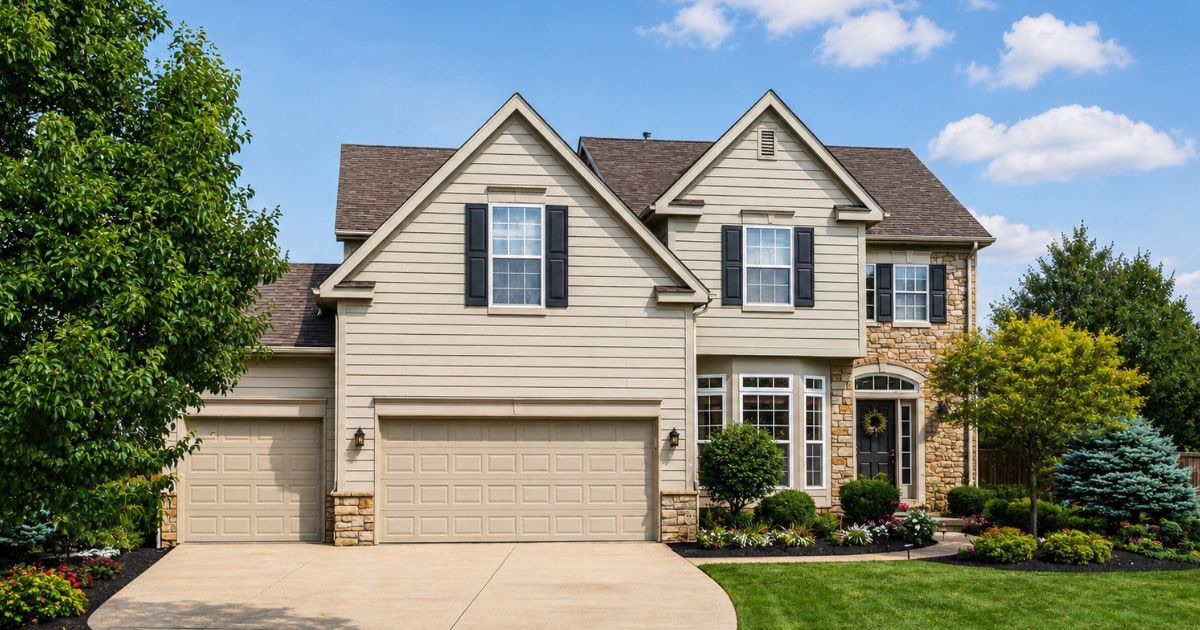
Your Powell, Ohio home's value depends on what buyers are willing to pay for it in today's market, based largely on recent comparable sales, location, condition, updates and current competition. Recent sales give us a starting point, but condition, updates, location, lot, layout, finished space and current competition all matter. Online estimates can be useful for a rough idea, but they cannot fully account for the details buyers notice when deciding what a home is worth.
- Why can my number differ from the market's number?
- Can I trust Zillow's Zestimate?
- How is a home's value really determined?
- How does the market tell me if my price is right?
- What does this look like with a real seller?
- What actually affects my Powell, Ohio home's value?
- How soon should I find out what my home is worth?
Why Can My Number Differ From the Market's Number?
When you start thinking about selling, you probably already have some idea of what your home is worth. Maybe that number comes from what you've invested in the house, what a neighbor sold for, an online estimate or simply what you need from the sale to make your next move work.
Buyers look at the home differently. They're comparing it with every other property they can purchase for roughly the same amount of money. A buyer may like your kitchen, appreciate the finished basement and notice that you've taken good care of the home, but they're also asking what else they can get in the same price range.
That's where the gap can happen. Your number is based partly on your experience with the home. The buyer's number is based on comparison.
You may look at your home based on what you've put into it. Buyers look at what else they can buy for the same money. Understanding both sides is what helps you choose a smart listing price.
One thing I see often is sellers giving equal weight to every improvement they've made. Buyers don't necessarily do that. Some improvements can add value, while others simply help your home show better or sell more easily. If you're deciding where to spend money before listing, you may also want to read which home improvements buyers actually notice before you sell.
Can I Trust Zillow's Zestimate to Tell Me What My Home Is Worth?
A Zestimate or other automated home-value estimate can be a useful starting point, but I would not use it by itself to decide what your home should be listed for.
Online estimates rely on public records, past sales and automated comparisons. What they cannot do is walk through your home and see the differences that buyers will notice. They don't fully understand the quality of a renovation, how dated one home feels compared with another, whether your lot backs to woods or a busy road, or how your floor plan compares with competing homes.
They can also struggle in Powell because values can vary significantly even within a relatively small area. Two homes may be close geographically but sell very differently because of school district, neighborhood, lot, updates or overall condition.
- Renovation quality and overall condition
- Finished lower-level space and additional bathrooms
- Lot privacy, traffic and location within a neighborhood
- Floor plan and how the home actually lives
- Current competition buyers are considering
- Features buyers are paying a premium for right now
So if Zillow gives you a number, I wouldn't ignore it. I'd simply treat it as one piece of information rather than the final answer.
How Is a Home's Value Really Determined?
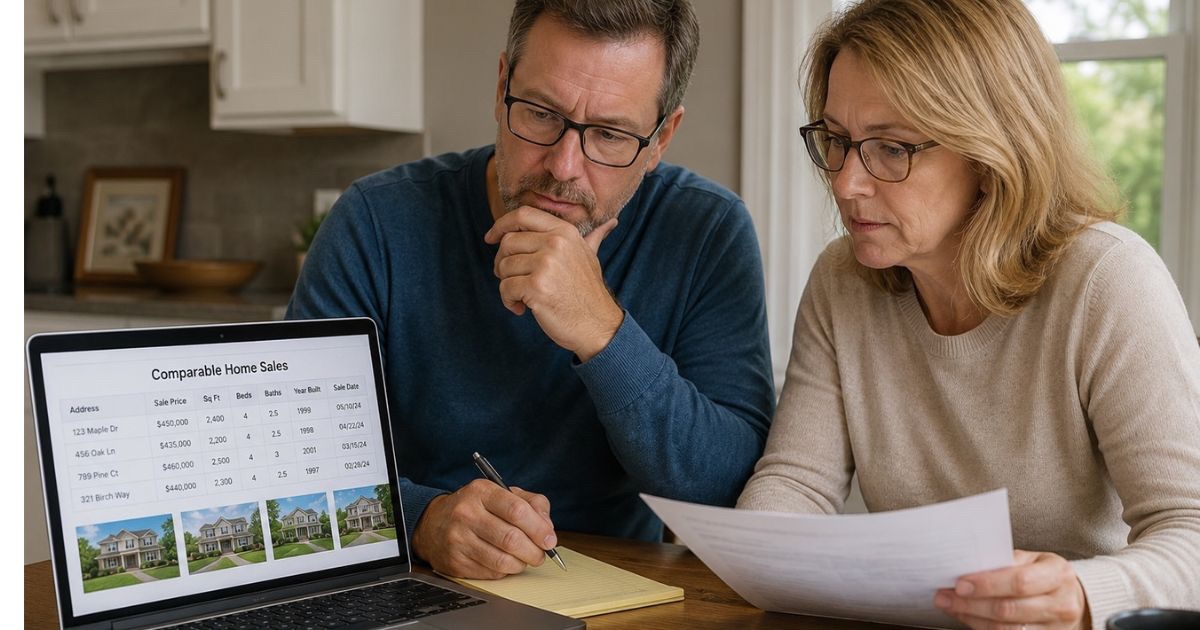
When I look at a home's likely value, recent comparable sales are the starting point. But the important word is comparable. The house closest to yours is not automatically the best comparison.
I look at homes buyers would have reasonably considered as an alternative to yours. That means looking at recent sales, active listings and pending homes, then comparing the details that can make buyers willing to pay more or less.
- Location and neighborhood
- Square footage and usable finished space
- Number of bedrooms and bathrooms
- Lot size, privacy and setting
- Age and quality of updates
- Overall condition
- Garage space
- Floor plan
- Current competition
That's why pricing a home isn't simply averaging three nearby sales. You have to understand why buyers paid what they did.
If you'd like to go deeper into how the listing price is actually chosen, I explain that process in How to Price Your Home Right in Central Ohio.
How Does the Market Tell Me If My Price Is Right?
Once a home is listed, the market starts giving us information pretty quickly. Showings tell us whether buyers are interested enough to come through the door. Feedback tells us what they're noticing. Offers tell us whether the price and perceived value are lining up.
If similar homes are getting attention and yours isn't, we need to understand why. Price may be the issue, but presentation, condition and competition can matter too.
This is also why I don't recommend automatically listing high just to leave room for negotiation. Buyers don't always respond to an overpriced home by making a lower offer. Sometimes they simply move on. By the time the price is adjusted, the home has lost some of the attention that comes with being a new listing.
If you're considering starting higher because you're worried about leaving money on the table, read what happens when you overprice your home. The URL may still reference Westerville, but the article explains the broader pricing issue for Central Ohio sellers.
The Front Porch Report
Practical advice, real stories and Central Ohio market insights to help you make smarter selling decisions.
Join the Front Porch ReportOne email every Tuesday. Unsubscribe anytime.
What Does This Look Like With a Real Seller?
I worked with a seller who was convinced her home was worth more than the recent sales suggested. I understood why. She had updated the kitchen, taken great care of the home and a nearby property had recently sold for considerably more.
The problem was that the higher sale wasn't really an equal comparison. That home had a finished lower level, another full bath and a more private lot. Those were features buyers were willing to pay more for. When we put the two homes side by side, the difference became much clearer.
We talked through it before her home ever went on the market. She ultimately chose to list below the number she'd originally had in mind, and the home received strong interest and an offer within the first week.
What made the process work wasn't that we somehow found a perfect number. It was that she understood how buyers were likely to compare her home before we listed it. Nothing that happened during that first week came as a surprise.
What Actually Affects My Home's Value?
Two homes in Powell can have the same square footage and number of bedrooms and still sell for very different prices. Buyers look at the entire property, not just the statistics on the listing.
Condition matters. Updates matter. Lot and location matter. So does how the home feels when buyers walk through it. A well-maintained home with good lighting, fresh paint and rooms that show their purpose can sometimes compete very well against a larger home that feels dated or poorly maintained.
That's why preparation and pricing really work together. Before spending money on projects, I recommend looking at what home improvements buyers actually notice before you sell. Some smaller improvements can have more impact than sellers expect, while expensive projects don't always produce the return people assume they will.
Current competition matters too. A buyer looking in Dublin may also be considering Powell. Someone searching Lewis Center may compare homes in Westerville or Delaware. Buyers often search by price, school district, commute or lifestyle rather than staying within one city boundary.
Your home isn't being evaluated in isolation. It's being evaluated against the other choices that buyer has right now.
How Soon Should I Find Out What My Home Is Worth?
You don't have to wait until you're ready to put a sign in the yard. In fact, I usually think it's better not to.
If you're considering selling within the next several months or even the next year, understanding your likely value gives you useful information for planning. It can help you estimate your equity, decide what improvements are worth doing and understand what you may have available for your next home.
Start by writing down the number you think your home is worth and ask yourself where that number came from. Was it a recent neighborhood sale? Zillow? Improvements you've made? Or the amount you need from the sale?
Then compare that number with what buyers are actually paying for homes that are genuinely similar to yours. Sometimes the numbers are almost exactly the same. Sometimes there's a gap worth discussing.
I'd much rather have that conversation before you list than after your home has been sitting on the market.
If you're trying to understand all the pieces before making a decision, my Central Ohio Seller Guide walks through pricing, preparing your home, marketing, offers, inspections, appraisal and closing.
Thinking About Selling a Home in Powell, Ohio?
If you're considering selling a home in Powell, Ohio, it's never too early to understand what your home may be worth.
I can look at the recent sales, current competition and the features that make your home different and give you a realistic range to work from. You don't have to be ready to list. Sometimes you simply need good information so you can decide what makes sense next.
Frequently Asked Questions About Central Ohio Home Values
How do I know what my Central Ohio home is really worth?
Your home's market value is based on what buyers are willing to pay when they compare it with similar homes. Recent comparable sales are the starting point, but condition, updates, location, lot, layout, finished space and current competition can all affect value. A detailed local valuation can account for differences that an automated online estimate may miss.
How accurate is Zillow's Zestimate for Central Ohio homes?
A Zestimate can provide a rough starting point, but it should not be treated as a final valuation. Automated estimates rely heavily on public records and past sales and may not fully account for condition, renovation quality, lot, floor plan, current competition or differences between nearby neighborhoods. Those details can make a meaningful difference in what a buyer is willing to pay.
Why is the price I want different from what buyers will pay?
You naturally look at your home based on the improvements you've made, how well you've maintained it and what you need from the sale. Buyers are comparing your home with other properties they can purchase for the same amount of money. When those numbers differ, buyers may simply be placing a different value on certain features than you expected.
Should I price my home higher so I have room to negotiate?
Not necessarily. Buyers don't always respond to an overpriced home by making a lower offer. They may simply choose another property. The first few weeks on the market are important because that's when a listing is new and receiving the most attention. Pricing in line with what buyers are paying for comparable homes generally gives you a better opportunity to create strong interest.
What matters most when comparing my home with recent sales?
Look beyond bedrooms and square footage. Location, lot, condition, renovations, finished lower-level space, bathrooms, garage size and layout can all affect what buyers are willing to pay. The best comparable sale isn't always the home closest to yours. It's often the property buyers would have considered a reasonable alternative to yours.
How far before selling should I find out what my home is worth?
You don't need to wait until you're ready to list. Starting several months or even a year ahead can be useful. Knowing your likely value gives you time to plan your next move and decide whether repairs or improvements are worth doing before you sell.
Rita Boswell is a Central Ohio real estate agent with Real of Ohio, helping homeowners throughout the Greater Columbus area understand their options, prepare their homes for the market and make informed decisions about selling.
Representing Central Ohio Homes with Real of Ohio
Categories
Recent Posts



GET MORE INFORMATION