
Thinking About Selling Your Central Ohio Home? Start With a Real Number
If selling your home has even crossed your mind, one of the first questions is probably, What could my house actually sell for? And that number matters for more than deciding on a list price. It may determine whether you can comfortably buy your next home, downsize, move closer to family, relocate, or simply decide that staying put makes more sense for now.
The problem is that homeowners are surrounded by numbers. There are online estimates, tax values, neighborhood listings, recent sales, and sometimes even a number a neighbor insists their house is worth. Those can all provide information, but none of them, by themselves, tell you what a buyer is likely to pay for your home today.
A better place to start is with a realistic look at your home's current market value, your likely selling expenses, and what you could actually walk away with after the sale. From there, the rest of the decision becomes much easier to evaluate.
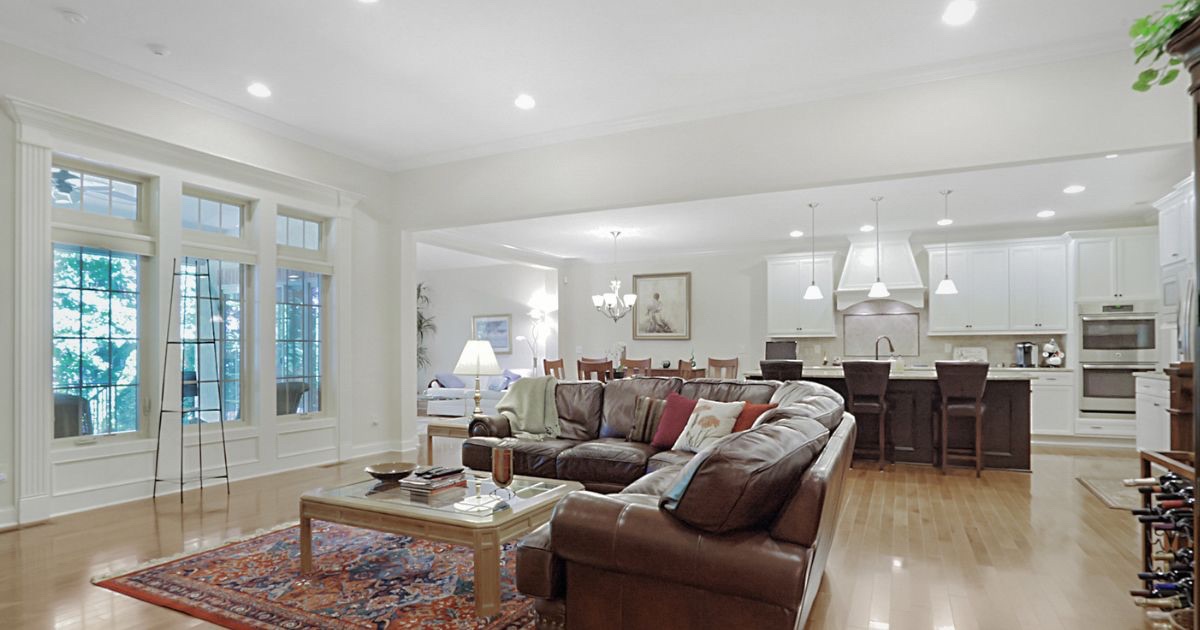
If you're thinking about selling, don't start with a list price. Start by understanding what your home would realistically sell for in today's market and approximately what you would net from the sale.
That gives you something much more useful than an online estimate. It gives you a starting point for deciding whether selling makes financial and practical sense for you.
- What does your home's "real number" actually mean?
- Why isn't an online home estimate enough?
- How much could you actually walk away with?
- What determines home value in Central Ohio?
- What should you do before putting your home on the market?
- How do pricing and presentation work together?
- What should happen before your listing goes live?
- Where will you go after you sell?
Before You Decide to Sell, Start With a Real Number
Homeowners often feel like they need to decide whether they're selling before they talk to a real estate agent. I actually think that order is backwards.
You don't need to be ready to list your house to find out what it's worth. In fact, understanding the numbers may be what helps you decide whether selling makes sense at all.
Your home's likely selling price gives you a starting point. From there, you can look at your mortgage payoff, expected selling expenses, possible repairs or preparation, and the amount of equity you could potentially carry into your next move.
That information can answer much bigger questions. Could you comfortably downsize? Could you buy the next house without stretching your budget? Would selling allow you to eliminate a mortgage? Does moving now make financial sense, or would waiting be the better decision?
Those are much more useful questions than simply asking, "What should I list my house for?"
Why an Online Home Estimate Isn't the Same as Market Value
Online valuation tools can be useful as a very broad starting point, but they don't walk through your house. They don't know that you remodeled the kitchen, replaced the windows, finished the lower level, or haven't updated anything in twenty years.
They also can't fully account for the details that buyers react to in person: the lot, the condition, the floor plan, natural light, privacy, traffic, updates, maintenance, view, or how your particular home compares with the competition that's available right now.
Even a neighbor's recent sale only tells part of the story. Two homes that look similar on paper may appeal very differently to buyers.
If pricing is where your head is right now, you may also want to read how to price your home right from the start.
Market value, appraisal value and online estimates are different
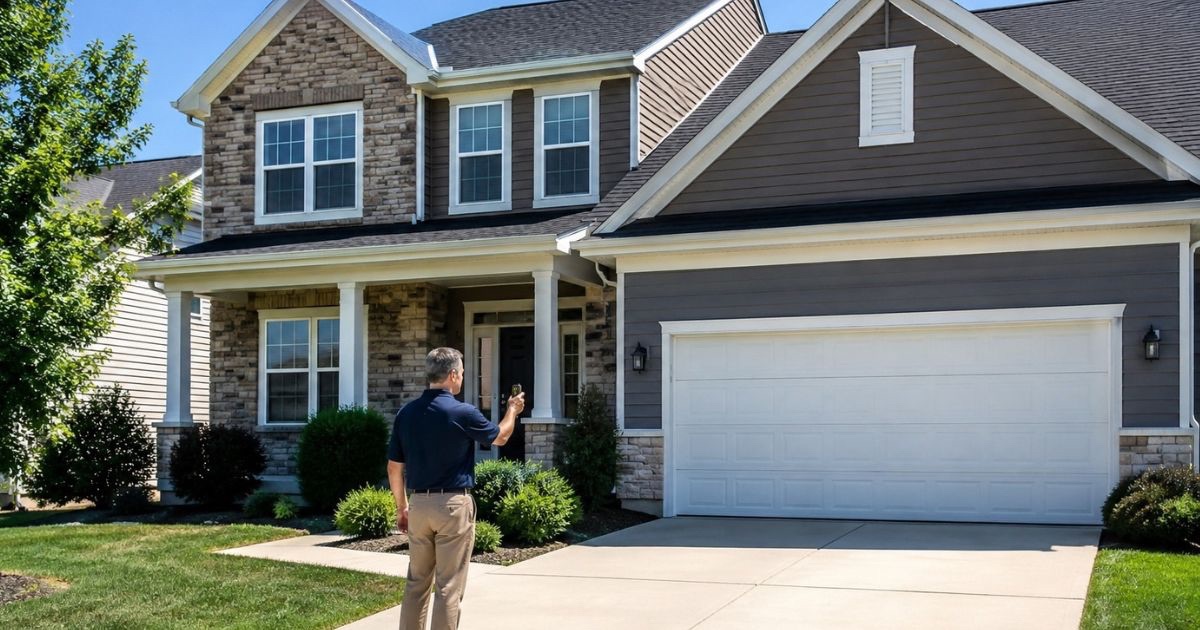
Another point that can be confusing is the difference between a real estate market analysis and an appraisal.
A market analysis looks at your home through the lens of the current real estate market: recent comparable sales, current competition, buyer behavior, location, condition, features, and how the home would likely be positioned if it were listed today.
An appraisal is a formal opinion of value completed by a licensed or certified appraiser, often in connection with a buyer's mortgage after the home is already under contract.
They serve different purposes. Most homeowners do not need to order an appraisal just to start thinking about selling. What they need first is a realistic understanding of how their home fits into today's local market.
A Zestimate, tax value, appraisal and probable selling price are not interchangeable numbers. If you're deciding whether to sell, the most useful question is what buyers would realistically pay for your home in the current market.
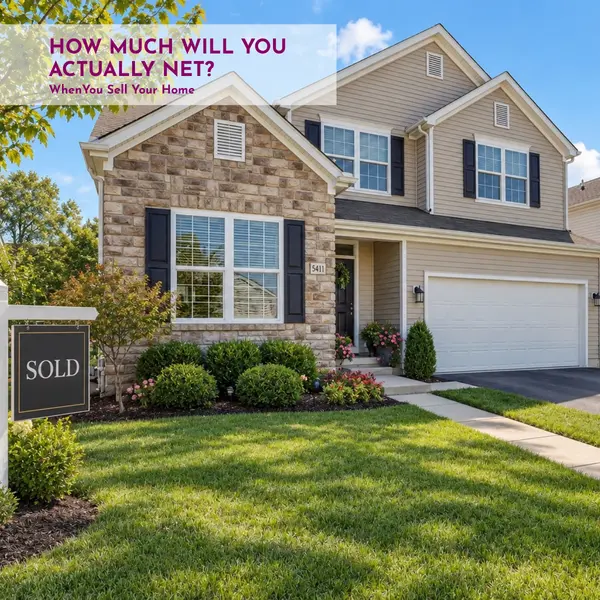
The Number That Matters Even More: What Would You Actually Walk Away With?
Knowing your home's probable selling price is important, but it still doesn't tell you how much money you'll have available for the next chapter.
Your estimated net proceeds take the calculation a step further. We can start with a reasonable selling-price range and subtract your approximate mortgage payoff, real estate compensation, title and closing expenses, prorated taxes, and any other anticipated costs.
If the house needs work before selling, I also want to consider that before we start spending money. A $10,000 project does not automatically create $10,000 or more in additional value. Sometimes it does. Sometimes the smarter decision is a smaller cosmetic improvement. Sometimes the right answer is to leave something alone.
That's why I prefer looking at the entire picture before creating a long repair list.
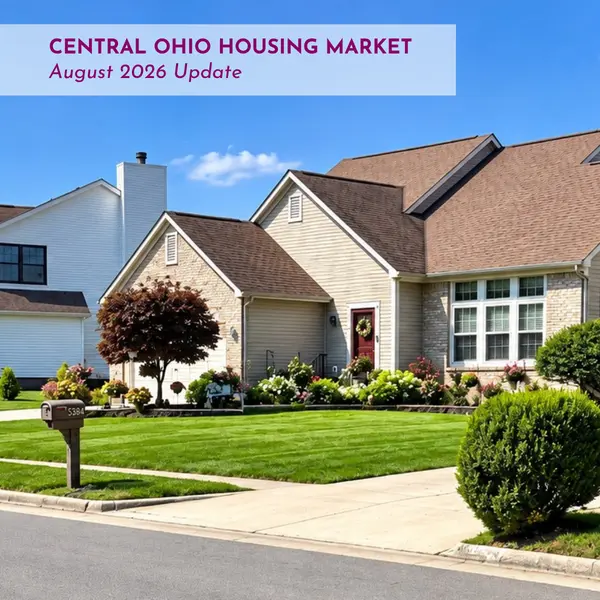
What Determines Home Value in Central Ohio?
Real estate is local, but it is even more specific than that. Value can change from one neighborhood to another, from one subdivision section to another, and sometimes from one street to the next.
A buyer considering a home near Bridge Park in Dublin may be looking for something very different from a buyer who wants privacy and acreage in Powell. A newer home in Lewis Center may compete on condition, schools and floor plan, while an established Westerville or Gahanna neighborhood may appeal to buyers because of mature trees, location, lot size or character.
That is why broad Columbus-area statistics only tell us so much. They can describe the overall market, but they don't price an individual home.
To understand your value, I look closely at the homes buyers would genuinely compare with yours. What has sold? What is under contract? What is sitting on the market? How does your condition compare? What features are buyers paying more for, and which ones aren't moving the needle?
If you're in Dublin and want a deeper look at the community itself, you can also explore our Dublin real estate and community guide.
What Should You Do Before Putting Your Home on the Market?
This is where sellers can either make smart, targeted decisions or accidentally spend a lot of money they didn't need to spend.
I don't believe every seller needs a remodeled kitchen, new flooring throughout, or a long list of upgrades before listing. The right preparation depends on your house, your likely buyer, your competition and your timeline.
Sometimes the best return comes from very basic things: repairing obvious defects, touching up paint, replacing a dated light fixture, cleaning thoroughly, improving curb appeal, removing excess furniture, and making the house feel well maintained.
Other homes need more. And occasionally, especially with an older property or known concerns, it may make sense to discuss whether a pre-listing inspection would be useful. But I don't treat that as an automatic step. The strategy should fit the house.
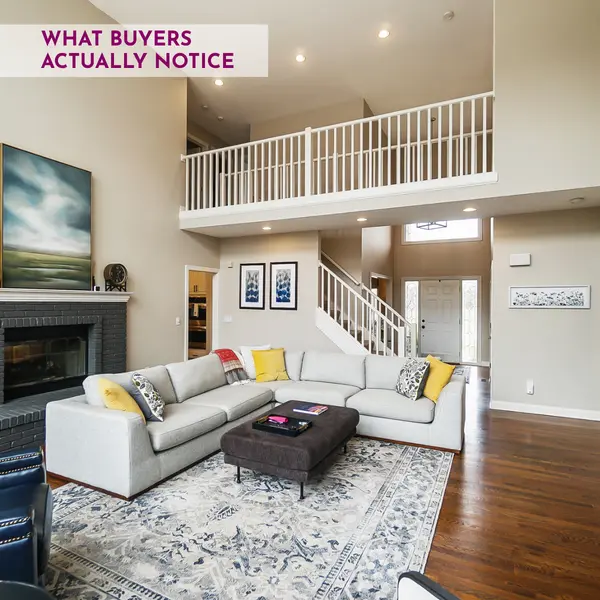
The small improvements buyers actually notice
Before spending heavily, I usually start with the things that affect a buyer's first impression.
- Fresh or touched-up paint where walls are scuffed, dark or distracting.
- Updated lighting when an older fixture is making an otherwise attractive room feel dated.
- A deep clean, including windows, floors, trim, kitchens and bathrooms.
- Decluttering and removing excess furniture so buyers can understand the size and flow of the rooms.
- Simple curb appeal such as trimmed landscaping, clean walkways and an inviting entry.
- Repairing the small things that can make buyers wonder what else hasn't been maintained.
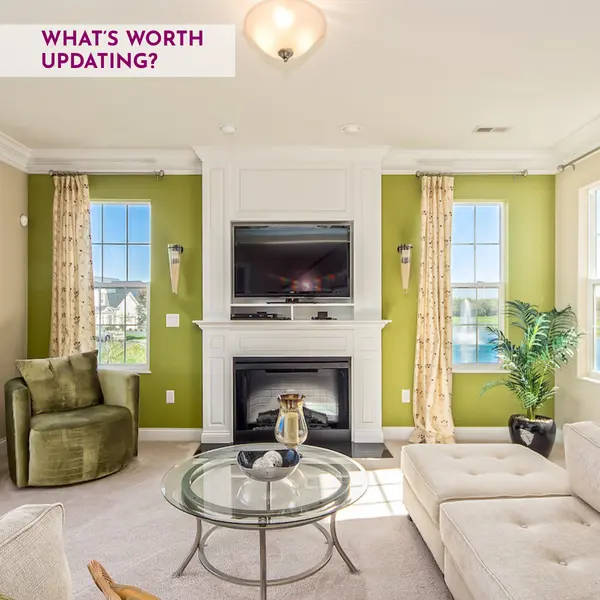
If you're trying to decide where your money is best spent, take a look at what actually adds value before selling your home. Not every improvement pays for itself, and the goal isn't to make the house perfect. It's to spend where buyers are most likely to notice the difference.
Don't start remodeling because you assume buyers expect it. Start by figuring out what your particular house needs to compete well, then spend selectively.
What about staging?
Staging can be very effective, but the right approach depends on the home. Sometimes that means professional staging. Sometimes it means editing and rearranging the furniture you already have. In a vacant property, virtual staging can occasionally help buyers visualize how a room might function, especially online.
The goal isn't staging for staging's sake. It's helping buyers understand the space, see the home's best features and form an emotional connection with it.
Pricing and Presentation Have to Work Together
A beautifully prepared home can still struggle if buyers think it is overpriced. And a well-priced home can leave money behind if it doesn't show well enough to create strong interest.
The two strategies work together.
I once worked with a seller who naturally compared their home with another property nearby that had been listed at a higher number. I understood why. On paper, the homes looked comparable, and nobody wants to feel like they're leaving money on the table.
But an asking price isn't evidence of value. It only tells us what another seller hopes to receive.
Closed sales tell us what buyers actually paid. Pending sales help us understand what buyers are choosing now. Active listings show us the competition. Then we layer in your home's condition, updates, lot, location, layout and current buyer demand.
That's how you arrive at a pricing strategy based on the market rather than a hopeful number.
Good Marketing Starts Before the Listing Goes Live
Putting a home into the MLS is necessary, but it's not the entire marketing strategy.
Before buyers ever walk through the door, the property needs to be prepared, positioned and presented correctly. That can include professional photography, video, floor plans, thoughtful listing copy, social and digital promotion, targeted advertising, and, when appropriate, a Coming Soon strategy that starts creating awareness before the first showing.
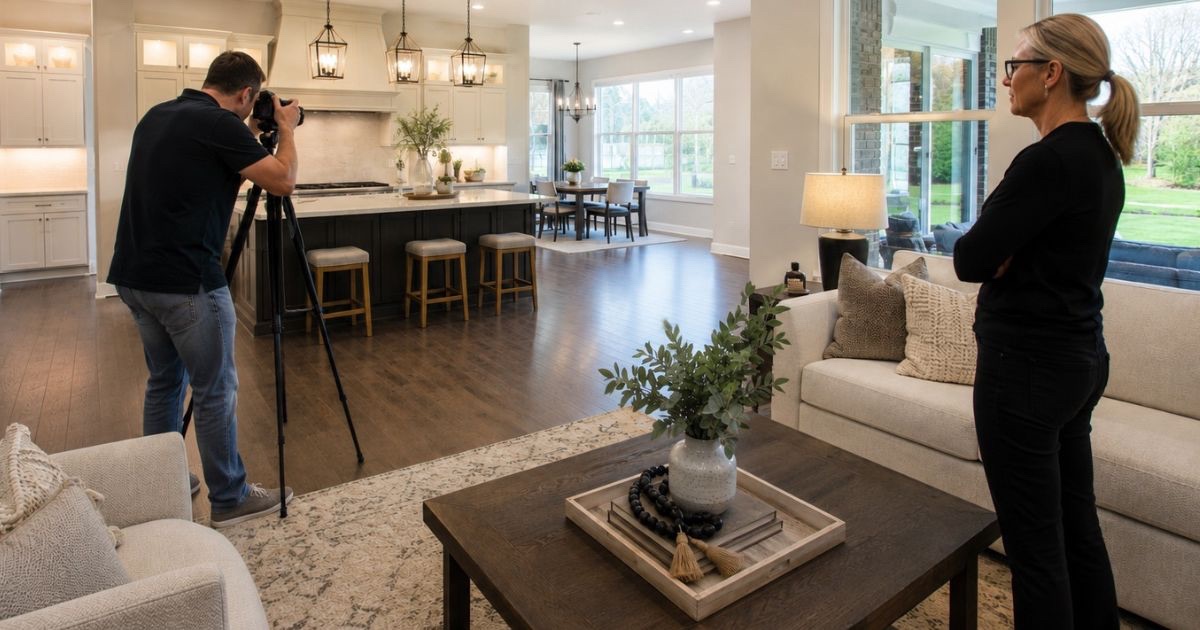
Your first showing often happens online. Buyers make very quick decisions about whether a home deserves a closer look, and the quality of the presentation influences that decision.
Good photography isn't about making a house look like something it isn't. It's about showing the property accurately and at its best so the right buyer wants to see more.
The first days on the market matter
When a listing first becomes available, it has something it will never have again: it's new.
That initial window is when buyers who have been watching the market are most likely to notice it. If the price, condition and marketing all make sense, that can create early showing activity and stronger negotiating leverage.
If buyers aren't responding, I don't like simply waiting and hoping. The market is giving us information. We look at showing activity, online engagement, buyer feedback, competing listings and new sales, then decide whether something needs to change.
Then Comes the Bigger Question: Where Will You Go Next?
For many sellers, figuring out what their current home is worth is only step one.
The bigger decision is what happens after the sale.
Maybe you want a smaller home with less maintenance. Maybe you need more space. You may want to be closer to children or grandchildren, shorten your commute, move into a different community, buy a condo, build new construction, or leave Central Ohio altogether.
Sometimes sellers discover that the next move is easier financially than they expected. Other times, after looking at the numbers, they decide staying where they are for another year or two makes more sense.
Either outcome is useful. The point of getting the information isn't to convince you to sell. It's to give you enough clarity to make a good decision.
If You Do Decide to Sell, What Happens Next?
Once the decision is made, we can turn the information into a plan.
That usually means deciding what preparation is worthwhile, setting a realistic pricing strategy, creating the marketing plan, scheduling photography, choosing the best launch timing and working through the logistics of your next move.
Once offers arrive, price is only one part of the decision. Financing, inspection terms, appraisal considerations, closing date, possession and other contingencies can all affect the strength of an offer.
The highest number on the page isn't automatically the best offer. The goal is to choose the offer that gives you the strongest combination of price, terms and likelihood of reaching the closing table.
Negotiation doesn't have to become emotional
Inspection requests, appraisal questions and contract issues can feel very personal when it's your house and your money involved. I try to keep those conversations focused on the actual numbers, risk and options.
Sometimes the right answer is to agree. Sometimes it's to compromise. Sometimes it's to say no. Good negotiation is less about "winning" every point and more about protecting your goals while keeping the transaction moving toward a successful closing.
Why Local Market Knowledge Still Matters
Automated tools are useful, but they can't fully understand the differences buyers see between two streets, two floor plans or two neighborhoods.
A quiet cul-de-sac, wooded lot, finished lower level, first-floor primary suite, newer mechanicals, school district, traffic pattern or proximity to a particular area can all affect how buyers respond to a home.
I've been licensed in Ohio since 2012 and have spent more than fourteen years helping people buy and sell homes throughout Central Ohio. My approach is not to push someone toward selling before they're ready. It's to help them understand the numbers, the market and their options so they can make the decision that fits their life.
You don't need to have everything figured out before asking what your home is worth. In many cases, understanding the number is what helps you figure out everything else.
Thinking About Selling?
If selling has been on your mind, even if you're not ready to do anything yet, I'm happy to give you a realistic look at what your home could sell for and what the numbers might look like after the sale.
No pressure and no assumption that you're ready to list. Sometimes the most useful first step is simply knowing where you stand.
The Front Porch Report
Practical advice, real stories and Central Ohio market insights to help you make smarter selling decisions.
Join the Front Porch ReportOne email every Tuesday. Unsubscribe anytime.
Frequently Asked Questions About Home Value and Selling in Central Ohio
How do I find out what my Central Ohio home is really worth?
Do I need to be ready to sell before requesting a home valuation?
Is a Zestimate the same as what my home would sell for?
Do I need an appraisal before selling my home?
How much money will I actually make when I sell my home?
Should I renovate my home before putting it on the market?
Does home value vary much between Central Ohio communities?
Thinking a Step Ahead
Once you know what your current home could sell for, the next question is usually where you would go and how the timing would work. That's worth thinking through before your home ever reaches the market, especially if you need to sell one home while buying another.
Rita Boswell is a Central Ohio real estate agent with Real of Ohio, helping homeowners throughout the Greater Columbus area understand their options, prepare their homes strategically and make informed decisions about selling and their next move.
Rita Boswell Group, Real of Ohio
Categories
Recent Posts





GET MORE INFORMATION