
What Does a Strong Home Marketing Plan Look Like in Columbus, Ohio?
Most sellers understand that their home needs to be listed online. The harder question is what happens beyond that.
Professional photos, a listing description, a sign in the yard, and placement in the MLS are all important. But those pieces do not automatically create a strong marketing plan. A home still needs to be prepared correctly, priced against the right competition, presented in a way buyers understand, and launched at the right time.
Good marketing does not make buyers overpay for a home. It helps the right buyers notice its value before they move on to something else.
That distinction matters more when buyers have choices. Two similar homes can come on the market within days of each other and receive very different reactions. Often, the difference is not one flashy marketing idea. It is whether the pricing, preparation, photography, description, and launch all support the same message.
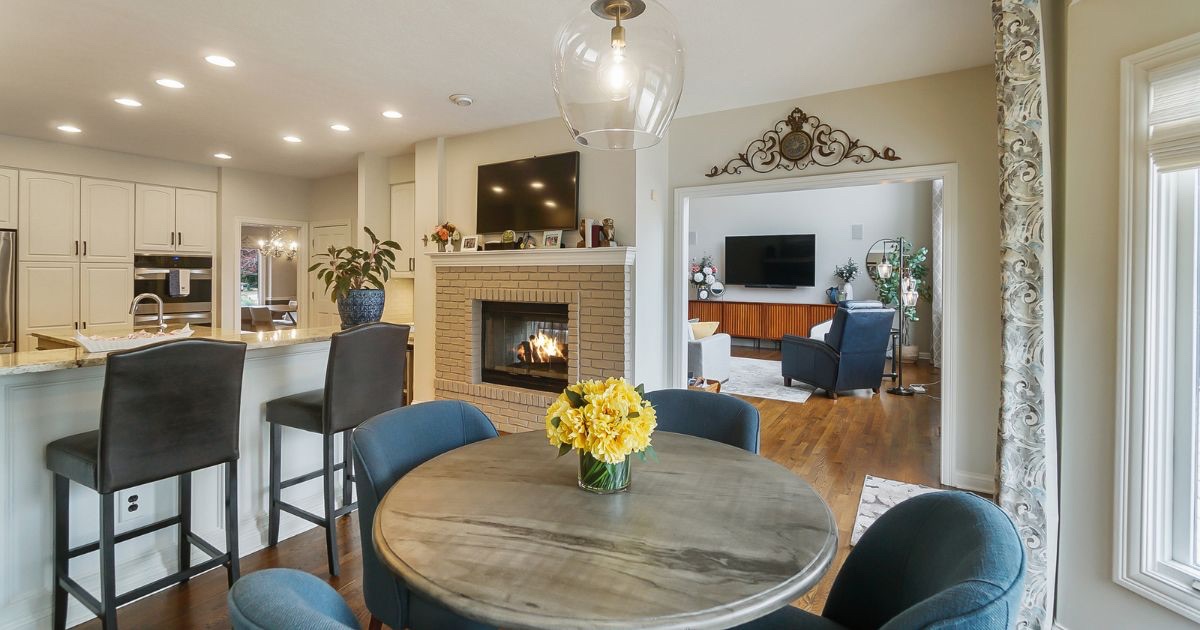
A strong home marketing plan brings the major decisions together before the listing goes live. It starts with pricing and preparation, then uses professional photography, clear listing copy, online exposure, agent outreach, showing feedback, and ongoing adjustments to help the home compete. The goal is not simply to get more views. It is to create enough interest from the right buyers to produce a solid offer on terms the seller is comfortable accepting.
- Why is marketing a home more than putting it in the MLS?
- What are buyers comparing when they see your home?
- How does preparation affect the marketing?
- Why do professional photos matter so much?
- What makes the first days on the market so important?
- How should a home be marketed beyond the MLS?
- What happens after the listing goes live?
Why Is Marketing a Home More Than Putting It in the MLS?
The MLS is the starting point. It sends the listing to the major real estate websites and puts the home in front of buyers who are already searching. That exposure is essential, but it is not the entire plan.
A home can be fully exposed online and still be easy to overlook. If the price feels high compared with nearby choices, the first photo is weak, the rooms feel cluttered, or the description does not explain what makes the home different, buyers may scroll past it without scheduling a showing.
That is why I do not think of marketing as one task. I think of it as a series of decisions that need to support each other.
In plain English: The MLS gives buyers access to your home. The rest of the marketing gives them a reason to stop, understand it, and schedule a showing.
Pricing is part of marketing. Preparation is part of marketing. The order of the photos is part of marketing. Even the day and time the listing goes live can affect how much attention it receives during the first few days.
If one piece works against the others, the entire launch can feel weaker.
What Are Buyers Comparing When They See Your Home?
Buyers rarely look at one home in isolation. They may have several listings open at once, and they are making quick comparisons.
They are looking at price, condition, updates, lot, location, school district, layout, monthly cost, and how much work the home appears to need. They are also deciding whether the photos make the home worth seeing in person.
This is one reason the marketing plan should begin with the likely buyer for the home. I do not mean inventing a detailed profile of one imaginary person. I mean understanding who is most likely to value the home and what they will compare it against.
A ranch in Powell may appeal to a very different buyer than a five-level split in Lewis Center. A Dublin home near community amenities may compete on different strengths than a home on acreage in Delaware County. The description and photography should bring the most relevant features forward without trying to make the house sound like something it is not.
The goal is not to appeal to everyone. It is to make the home's strongest value clear to the buyers most likely to act on it.

How Does Preparation Affect the Marketing?
Living in a home and marketing a home are two different things.
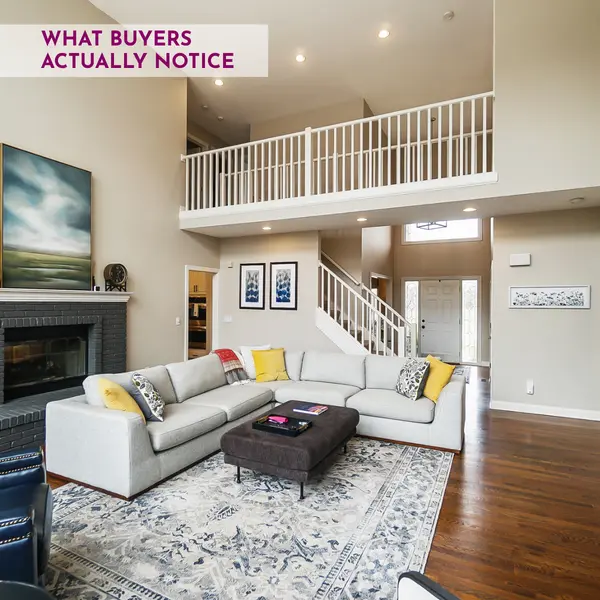
A home can be clean, comfortable, and nicely furnished but still need some editing before photos. Buyers need to understand the rooms quickly. They should be able to see the amount of space, where their furniture might go, and how the home flows without being distracted by too much furniture, personal collections, or crowded surfaces.
That does not mean every seller needs to empty the house or spend thousands of dollars staging it. Sometimes the right plan is a professional staging consultation and a focused list of changes. Other times, a vacant home benefits from bringing furniture into the rooms buyers may have trouble understanding.
When a home needs more help, I may bring in a professional stager. I have also encouraged sellers to walk through new construction model homes, not because their home needs to look brand new, but because model homes make it easy to see what buyers respond to. The rooms have a clear purpose. The furniture fits the space. The counters are not crowded. The eye knows where to go.
Which Improvements Are Usually Worth Discussing?
I look first at the items that affect a buyer's first impression or create concern during a showing:
- Fresh paint where colors or wall condition are distracting
- Lighting that makes rooms feel dark
- Overgrown landscaping or a weak front entrance
- Too much furniture in smaller rooms
- Deferred maintenance that makes buyers wonder what else has been missed
- Rooms that do not have a clear purpose
The answer is not automatically to renovate. Some sellers spend money on a project because they think anything new must add value. It does not always work that way.
Before you take on a larger project, it is worth comparing the cost with what buyers in your price range actually expect. I wrote more about this in what to fix before selling your home.
A project does not need to be expensive to improve the marketing. Sometimes removing furniture, repainting one room, replacing a dated light fixture, or cleaning up the landscaping does more for the photos than a much larger renovation.
Why Do Professional Photos Matter So Much?
For most buyers, the photos are the first showing.
They decide whether the home looks bright, well cared for, spacious enough, and worth adding to their schedule. If the photography is poor, the buyer may never discover that the home is better in person.
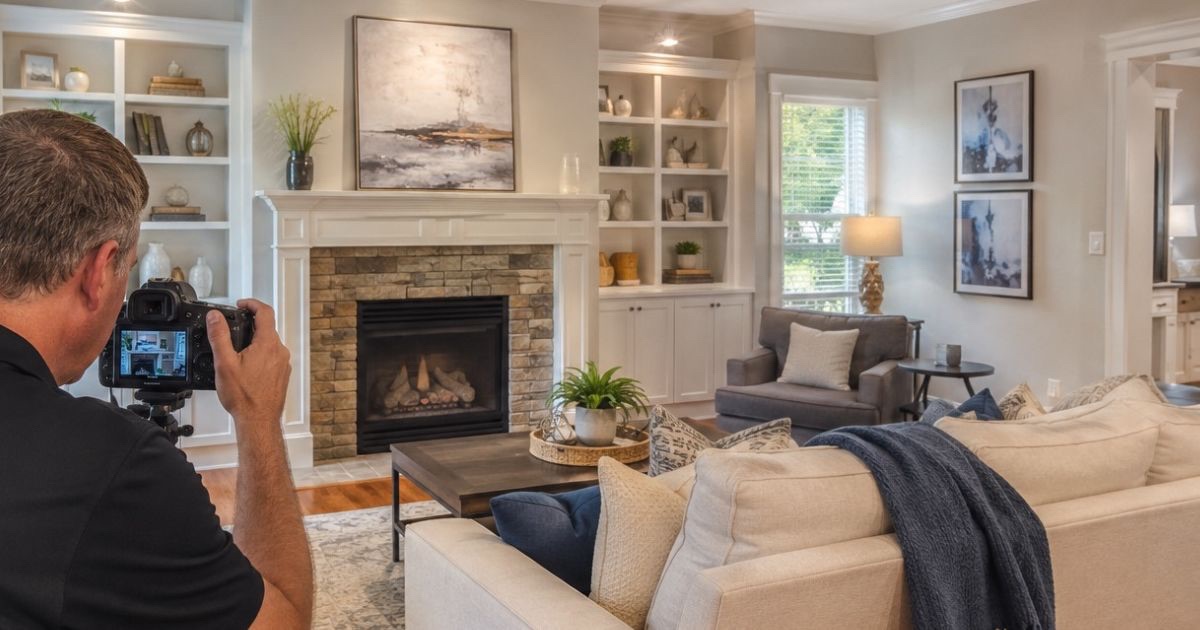
I use professional photography because the person taking the photos needs to understand more than how to operate a camera. They need to know which angles show the room accurately, how to manage windows and interior light, what details are distracting, and how to create a photo sequence that helps the buyer understand the home.
Wide-angle photography should make a room easier to see, not distort it. Brightening a photo should make it look like the home on a good day, not turn it into something buyers will not recognize when they walk in.
The best listing photos are attractive, but they are also honest.
When Do Video, Drone Photography, or a 3D Tour Help?
Not every home needs every marketing tool.
Video can be helpful when the floor plan, setting, or updates are easier to understand in motion. Drone photography can show acreage, a ravine lot, water, nearby amenities, or how the home sits in the neighborhood. A 3D tour can help relocating buyers or anyone who wants to revisit the layout before scheduling a second showing.
I decide which tools make sense based on the property. Adding more pieces does not automatically make the marketing stronger. Each one should help a buyer understand something the standard photos cannot show as well.
What Makes the First Days on the Market So Important?
The first group of buyers usually includes the people who have already been watching the market and waiting for the right home. They know what else is available, and many will see a new listing quickly.
That gives a well-prepared home an important window of attention.
This is why I do not like rushing a listing live before the home is ready. A weak first photo cannot be fixed after hundreds of buyers have already seen it. An overly ambitious price may cause the best buyers to wait instead of act. Missing details, poor showing instructions, or a rushed description can all weaken the opening.
Once a home has been sitting for a while, buyers begin to approach it differently. They may assume there is more room to negotiate, or they may wonder why other buyers passed.
That does not mean every home should sell in a weekend. Some homes have a smaller buyer pool or need more time. But the first days still matter because they tell us how buyers are responding to the price and presentation.
For a closer look at that timing, read why the first ten days on the market matter so much.
The strongest launch usually looks simple from the outside. Behind it is a lot of preparation completed before the first buyer ever sees the listing.
How Should a Home Be Marketed Beyond the MLS?
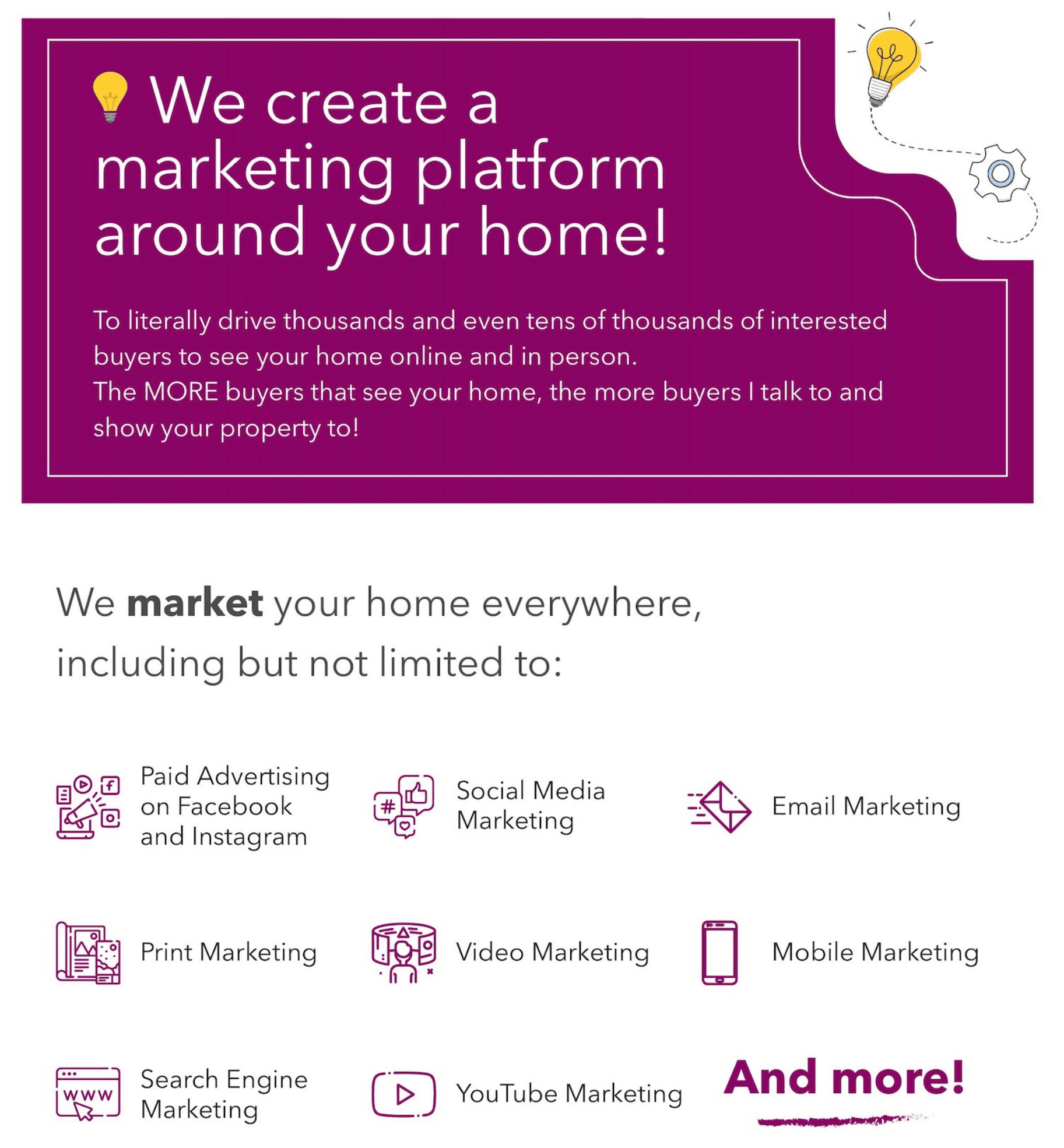
The MLS remains the center of the marketing because it reaches active buyers and the agents working with them. From there, I use the tools that fit the home and the likely buyer.
That may include:
- Coming-soon exposure when it is appropriate and allowed
- Direct communication with agents who work in the area or price range
- Social media posts and targeted promotion
- A property page with photos and listing details
- Video, drone photography, or a 3D tour
- Email marketing to buyers, past clients, and local contacts
- Open houses when they are likely to help the sale
- Relocation and agent-to-agent outreach for homes that may attract an out-of-area buyer
I do not believe in doing something simply because it looks impressive in a listing presentation. The marketing should make sense for the property.
An open house is useful when it creates concentrated activity or reaches buyers who have not scheduled a private showing. It is less useful when it becomes an event with a lot of traffic and very little serious interest. A drone photo is valuable when the setting matters. It is unnecessary when it mostly shows rooftops.
More marketing is not always better. Better-matched marketing is better.
What Happens After the Listing Goes Live?
Marketing does not stop when the listing is published.
I watch the early activity, showing requests, buyer and agent feedback, online engagement, competing listings, and any new sales that affect the home's position. Then I explain what that information appears to mean.
Not every comment deserves a reaction. One buyer may dislike a paint color that another buyer loves. But if several buyers raise the same concern, or if a home receives plenty of online attention but very few showings, that pattern is worth discussing.
The same is true when showings are strong but offers do not follow. We need to look honestly at where buyers see the gap between the home and the asking price.
I do not believe in listing a home and disappearing until an offer arrives. Sellers want to know what is happening, what I think, and whether the plan needs to change. That is part of the job.
How Do Pricing and Marketing Work Together?
Marketing can bring buyers to the door. It cannot make them ignore value.
I can look at the recent sales inside out and upside down, but in the end, the market response tells us what buyers are willing to pay. That is why the price needs to be strategic from the beginning.
A home priced correctly does not have to be the cheapest option. It needs to make sense when a buyer compares it with the available competition and the recent sales. When the value is clear, strong marketing can create more interest and put the seller in a better negotiating position.
When the price is too high, the marketing may create views and even showings, but buyers often hesitate. If that continues, the home can lose the early momentum that is difficult to recreate later.
You can read more about that in how to price your home right from the beginning.
What Should You Expect From My Marketing Process?
Before we make decisions about photos, video, or advertising, I want to understand the home and your move.
We will talk about your timing, what you have updated, what concerns you have, and what you need from the sale. I will walk through the home with you and give you a practical preparation plan. I will also explain how I see the home fitting into the current market and what buyers are likely to compare it against.
From there, I coordinate the pieces of the launch and keep you informed once the home is active. You should not have to guess what is happening or wonder whether anyone is paying attention.
Selling a home is a large financial decision, but it is also a life transition. My job is to help you make good decisions, handle the details, and keep the process moving without adding unnecessary pressure.
The Front Porch Report
Practical advice, real stories and Central Ohio market insights to help you make smarter selling decisions.
Join the Front Porch ReportOne email every Tuesday. Unsubscribe anytime.
Rita Boswell is a Central Ohio real estate agent with Real of Ohio, helping sellers make confident, informed decisions throughout Lewis Center, Delaware County, Dublin, Powell, Westerville, and the surrounding Columbus area.
Frequently Asked Questions
What should a home marketing plan include?
Is putting a home in the MLS enough to sell it?
Do professional real estate photos really make a difference?
Does every home need staging before it is listed?
Should every listing have video, drone photos, and a 3D tour?
How do you know whether the marketing plan is working?
Can strong marketing make up for an overpriced home?
Thinking a Step Ahead
When the marketing is done well, the listing should feel clear and consistent. Buyers understand what the home offers, how it compares, and why it is worth seeing.
That does not happen because of one ad, one photo, or one social media post. It happens because the important decisions were made before the home went live and the strategy continued after it did.
If you are considering selling, it is never too early to start the conversation. I can walk through the home with you, help you decide what is worth doing, and show you how I would position it in the current market. You do not need to feel overwhelmed. I make it easy.
Representing Central Ohio Homes with Real of Ohio
Categories
Recent Posts




GET MORE INFORMATION