
The Ultimate Guide to Staging Your Home for a Fast Sale in Central Ohio
When sellers hear the word staging, they sometimes picture bringing in a truckload of trendy furniture and turning their house into something that doesn't feel like their home anymore.
That's not really the goal.
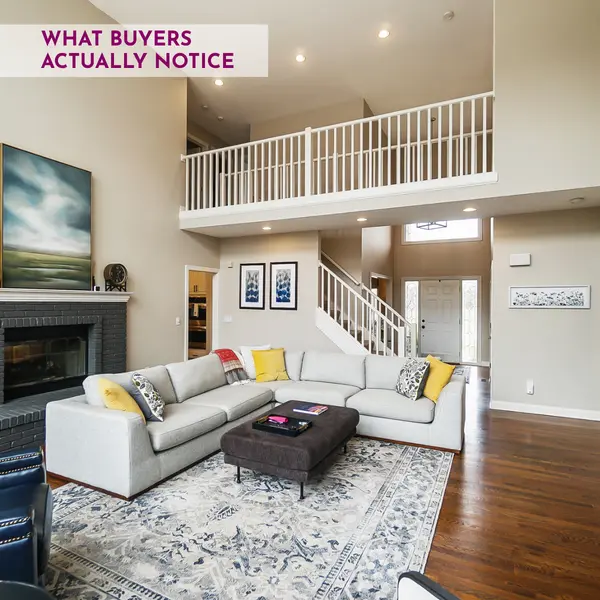
Good staging is about helping buyers see the house instead of being distracted by everything in it. Sometimes that means professional furniture and accessories. More often, especially in an occupied home, it means editing what is already there, improving the lighting, rearranging furniture and making each room easier for buyers to understand.
The house doesn't need to look perfect. It needs to photograph well, feel inviting when buyers walk through the door and make it easy for them to imagine living there.
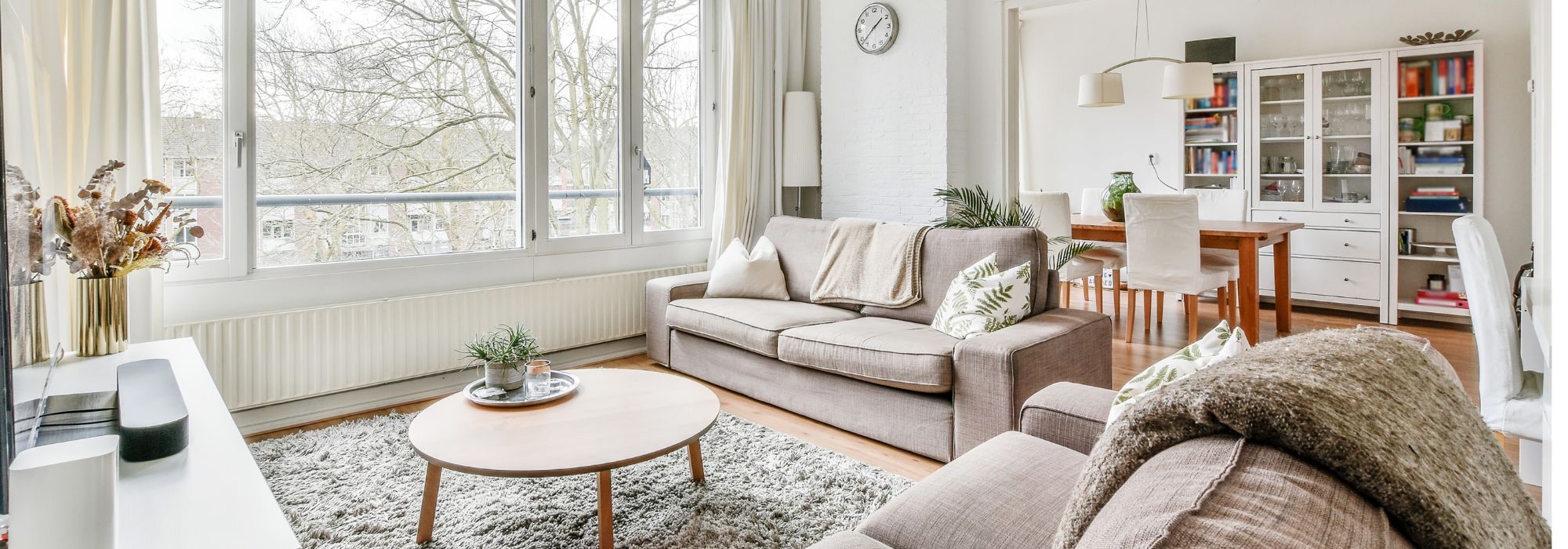
Stage a home by removing distractions, reducing excess furniture and belongings, improving lighting, defining how each room is used and making the most important spaces feel clean and inviting. You don't necessarily need professional staging throughout the entire house. The right approach depends on the home, what is already there and how it will photograph and show to buyers.
- What is staging actually supposed to accomplish?
- How much should you remove?
- Which rooms matter most?
- How do you stage an occupied home?
- Should you stage a vacant home?
- When is professional staging worth it?
- What about virtual staging?
- What staging mistakes should you avoid?
- How should you prepare for listing photos?
What Is Staging Actually Supposed to Accomplish?
Staging isn't about decorating the house according to someone else's taste. It's about making the home easier to understand and easier to buy.
When a buyer walks into a room, I don't want them trying to figure out whether their furniture will fit because the room feels crowded. I don't want a beautiful fireplace disappearing behind furniture or a large kitchen island covered with appliances and paperwork.
I want the home's best features to be obvious.
That might mean moving a sofa, removing an extra chair, clearing a countertop or changing the way a room is being used. Sometimes removing one piece of furniture does more for a room than adding five decorative accessories.
Staging also affects the listing before a buyer ever walks through the door. Buyers usually meet your home online first, which means the way it photographs is part of the staging decision.
That's why I think about staging as part of the overall preparation process, along with the repairs and updates discussed in what to fix before listing your Central Ohio home.
How Much Should You Remove Before Listing?
Usually more than feels natural when you're still living there, but not so much that the home feels sterile.
Start with the things buyers don't need to see: stacks of paperwork, crowded kitchen counters, collections, excess décor and furniture that makes a room feel smaller. Personal photos don't all have to disappear, but a large number of them can pull attention away from the house.
Storage matters too. Buyers open closets, cabinets and pantries. You don't need empty shelves, but overfilled storage can make buyers wonder whether the home has enough space.
If you're moving anyway, packing some things early usually helps twice. The house feels less crowded for buyers, and you have less to pack later.
Which Rooms Matter Most When Staging a Home?
If time or budget is limited, I would not treat every room equally.
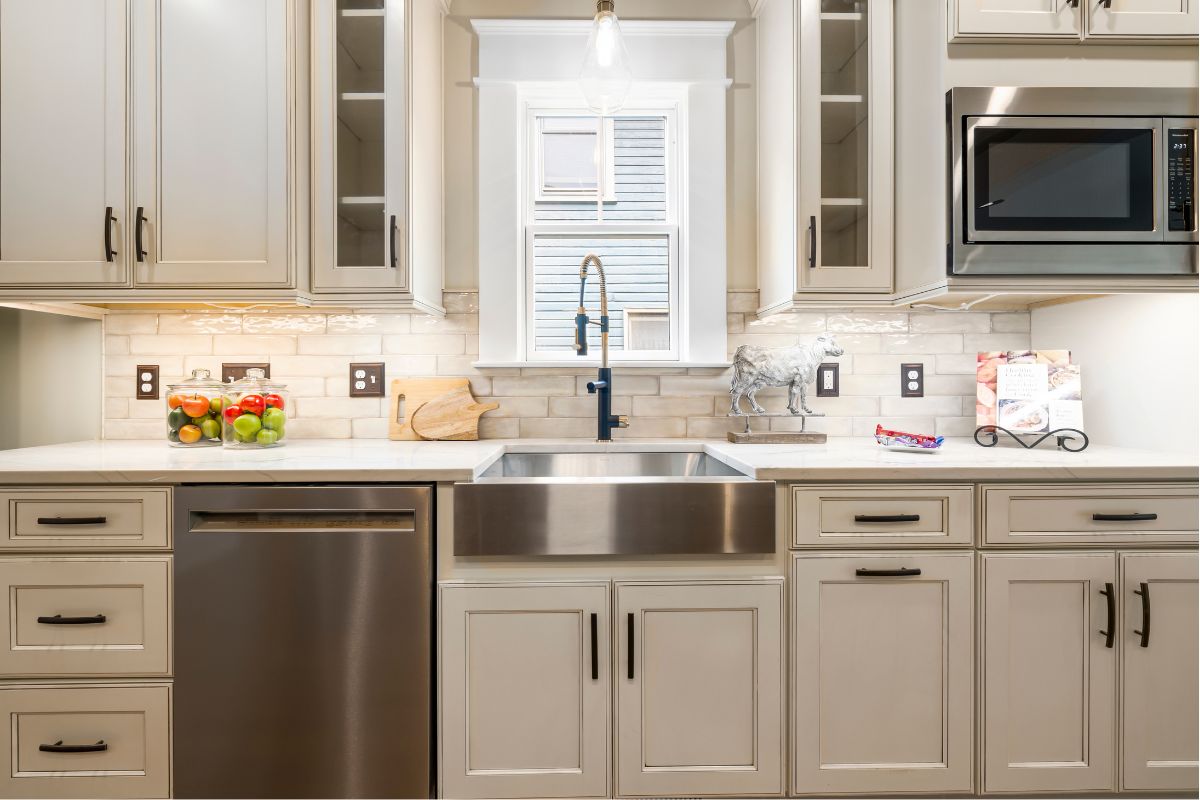
The living room or great room, kitchen, primary bedroom and main entry generally deserve the most attention because they help establish the overall impression of the house. In many homes, the dining area and outdoor living spaces are also important.
Secondary bedrooms need to be clean and understandable, but they don't necessarily need elaborate staging. The same goes for unfinished basements and utility spaces.
One area sellers sometimes underestimate is the entry. Buyers begin forming an impression almost immediately, and little things such as lighting, smell, clutter and how the first room feels can affect the rest of the showing.
I wrote more about that in What Do Buyers Notice in the First 30 Seconds?
How Do You Stage a Home You're Still Living In?
Most sellers do not need to move out and replace everything they own.
With an occupied home, I would first work with what you already have. We can decide what should stay, what should move to another room and what would be better packed away before photos.
Furniture placement is especially important. The way you use a room every day may not be the way it photographs best. Moving furniture away from a window, opening a walkway or removing one oversized piece can completely change how buyers perceive the space.
The same idea applies to décor. A few well-placed pieces can add warmth. Too much creates visual noise.
And don't forget everyday necessities. Pet supplies, charging cords, bathroom products, trash cans and countertop appliances are perfectly normal when you're living in a house, but most of them should disappear for listing photos and be minimized before showings.
Should You Stage a Vacant Home?
Sometimes.
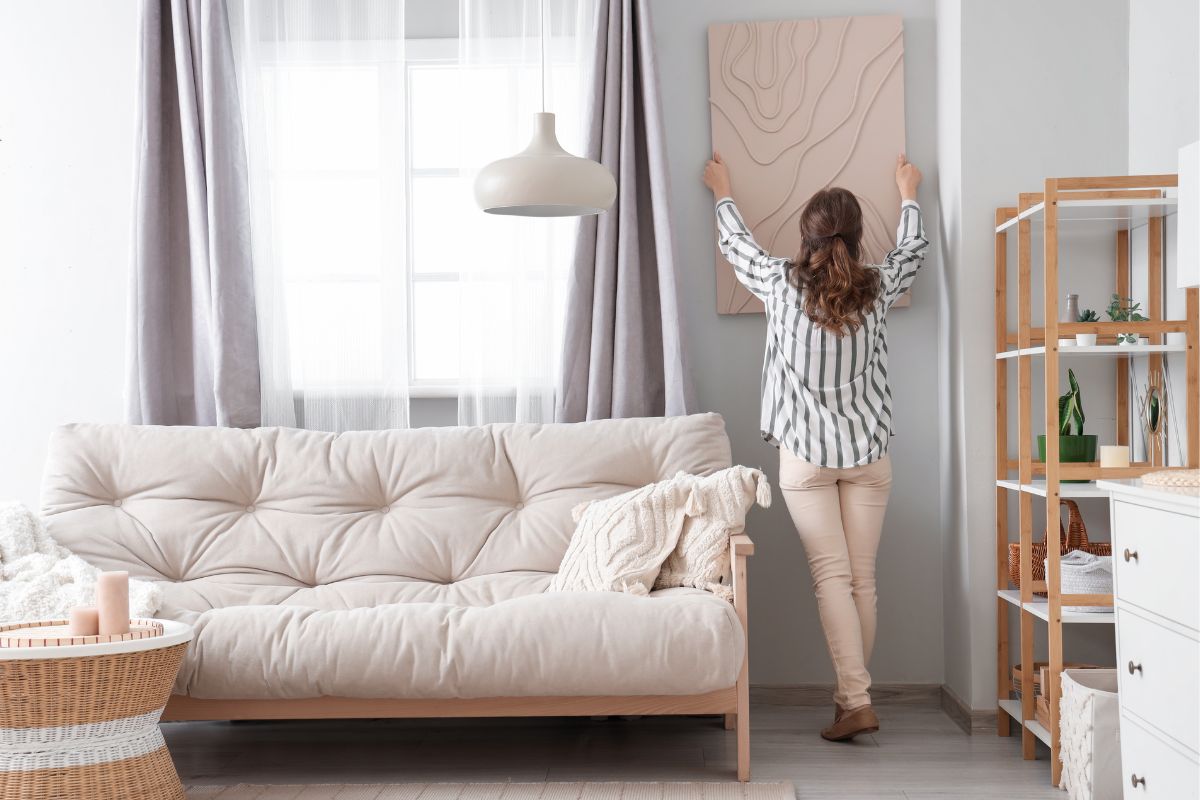
An empty home can look clean and spacious, but empty rooms can also be surprisingly difficult to judge from photos. Without furniture, buyers may have trouble understanding scale or imagining how a large open space should be used.
Staging can be particularly helpful when the floor plan isn't immediately obvious or when a room needs context. A buyer may wonder whether a space can comfortably accommodate a dining table, for example. Staging can answer that visually.
That doesn't mean every vacant home needs furniture in every room. Strategic staging of the main living areas may be enough.
When Is Professional Staging Worth It?
I think professional staging is most useful when the home would benefit from an objective eye or when presentation is going to have an outsized effect on the listing.
A professional stager can often see things homeowners and agents stop noticing because we've been looking at the house too long. They may recommend removing furniture, changing a room's purpose, adjusting artwork, bringing in accessories or staging particular rooms more fully.
Professional staging doesn't necessarily mean renting furniture. Sometimes the consultation itself is the most valuable part because it gives the seller a clear plan using what they already own.
For some of my listings, I bring in a professional stager because I would rather make those decisions before the photographer arrives than look at the finished photos and realize something should have been changed.
"The best time to notice a room doesn't photograph well is before the photographer gets there."
What About Virtual Staging?
Virtual staging can be useful for a vacant home because it helps buyers visualize furniture placement without physically furnishing the property.
But I see it as a marketing tool, not a replacement for the actual showing experience.
The listing should clearly disclose when images have been virtually staged, and the virtual furnishings should represent the room realistically. I don't want an image making a room appear larger than it is or showing a furniture arrangement that couldn't actually fit.
Used correctly, virtual staging can help buyers understand an empty room when they first see the listing online. They should simply know what they're looking at.
What Staging Mistakes Should You Avoid?
One of the biggest mistakes is overdoing it.
You don't need bowls of lemons on every counter, decorative towels that nobody is allowed to touch or accessories covering every surface. When buyers remember the decorations more than the house, we've gone too far.
I would also avoid strong fragrances. Plug-ins, candles and heavy room sprays can make buyers wonder what smell is being covered up, and some people are very sensitive to fragrance. Clean and neutral is better.
Another mistake is trying to stage around a problem that really needs to be fixed. Staging won't make peeling paint, worn flooring, damaged trim or deferred maintenance disappear. If you're deciding where the money is better spent, my guide to which home improvements are worth doing before selling can help.
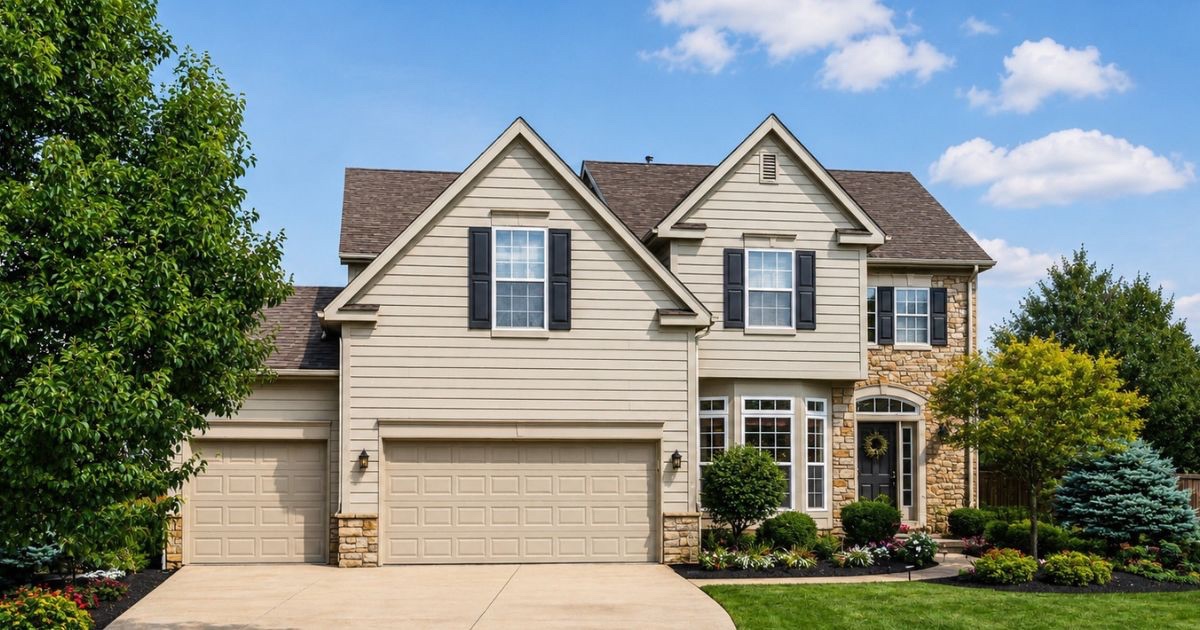
And don't forget the exterior. Staging begins before buyers open the front door. Landscaping, the walkway, front porch and entry should feel cared for and welcoming.
How Should You Prepare for Listing Photos?
The day of photography is when all of the preparation comes together.
Kitchen and bathroom counters should be mostly clear. Beds should be made neatly. Blinds and curtains should be adjusted to show off natural light. Bulbs should work and, ideally, the lighting throughout the house should feel consistent rather than having a mixture of very warm and very cool bulbs.
Hide pet bowls, litter boxes, trash cans, bathroom products, refrigerator magnets, cords and anything else that creates unnecessary visual clutter.
Outside, put away hoses, trash cans, toys and tools. Straighten patio furniture and make sure the front entry looks good because exterior photos often become some of the first images buyers see.
Professional photography can only photograph the house that is in front of the camera. The better we prepare beforehand, the better those photos can do their job.
Can Staging Make an Overpriced Home Sell?
No, and this is an important distinction.
Staging can improve presentation. It can help buyers appreciate the space and may make your home more competitive against similar listings. But it cannot fix a price that buyers don't believe makes sense.
The strongest listing strategy brings preparation, staging, photography, marketing and pricing together. One doesn't substitute for the others.
If you're trying to understand how those pieces work together, read How Do You Price Your Home Right in Central Ohio?
And once the home is listed, the early response tells us whether buyers agree with our positioning. That's why I watch the first 10 days on market so closely.
Do You Need to Make Your Home Look Like a Model Home?
No.
This is probably the part I would want sellers to remember most. Buyers understand that people live in houses. The goal isn't perfection and it isn't to erase every sign that you live there.
The goal is to remove enough distraction that buyers can focus on the things you're actually selling: the rooms, light, layout, condition, storage, lot and overall feel of the home.
Sometimes that takes significant preparation. Sometimes a seller has already done most of what I would recommend and we only need a few adjustments.
I would rather walk through the home with you before you start spending money so we can decide what will actually make a difference.
Getting Ready to Sell in Central Ohio?
If you're thinking about selling, you don't have to figure out the preparation list on your own. I can walk through the home with you, identify what I would change, what I would leave alone and where I think your time and money will have the most impact.
That conversation is much easier before you've painted three rooms, rented a storage unit or started a renovation you may not have needed.
The Front Porch Report
Practical advice, real stories and Central Ohio market insights to help you make smarter selling decisions.
Join the Front Porch ReportOne email every Tuesday. Unsubscribe anytime.
Frequently Asked Questions About Staging a Home to Sell
Do I need to professionally stage my home before selling?
Which rooms are most important to stage?
Should I remove family photos before listing my home?
Is virtual staging a good idea for a vacant home?
Should I use candles or air fresheners before showings?
Can staging help if my home is overpriced?
When should I start preparing my home for staging?
The Bottom Line
Staging isn't about making your home look like nobody lives there. It's about making it easier for buyers to see the space, understand how it functions and notice the features that made you want to buy it in the first place.
Start by removing distractions, work with what you already have and bring in professional help when it will genuinely improve the presentation. Most importantly, make those decisions before the listing goes live. You only get one first impression.
Rita Boswell is a Central Ohio real estate agent with Real of Ohio, helping homeowners prepare, position and sell their homes throughout the Columbus area.
Representing Central Ohio Homes with Real of Ohio
Categories
Recent Posts





GET MORE INFORMATION