
How Can You Stage Your Home on a Budget Before Selling?
If you're preparing to sell a home in Columbus or Central Ohio, getting it ready for the market doesn't have to mean buying new furniture, filling a storage unit or spending thousands of dollars on décor. In many homes, the best staging changes cost very little because they're more about what you remove, rearrange and simplify than what you add.
If you're working with a limited budget, I would start with the things buyers notice immediately: how the home feels when they walk in, whether the rooms seem crowded, how much light there is and whether the house looks clean and cared for.
Then spend money only where it solves a real presentation problem.
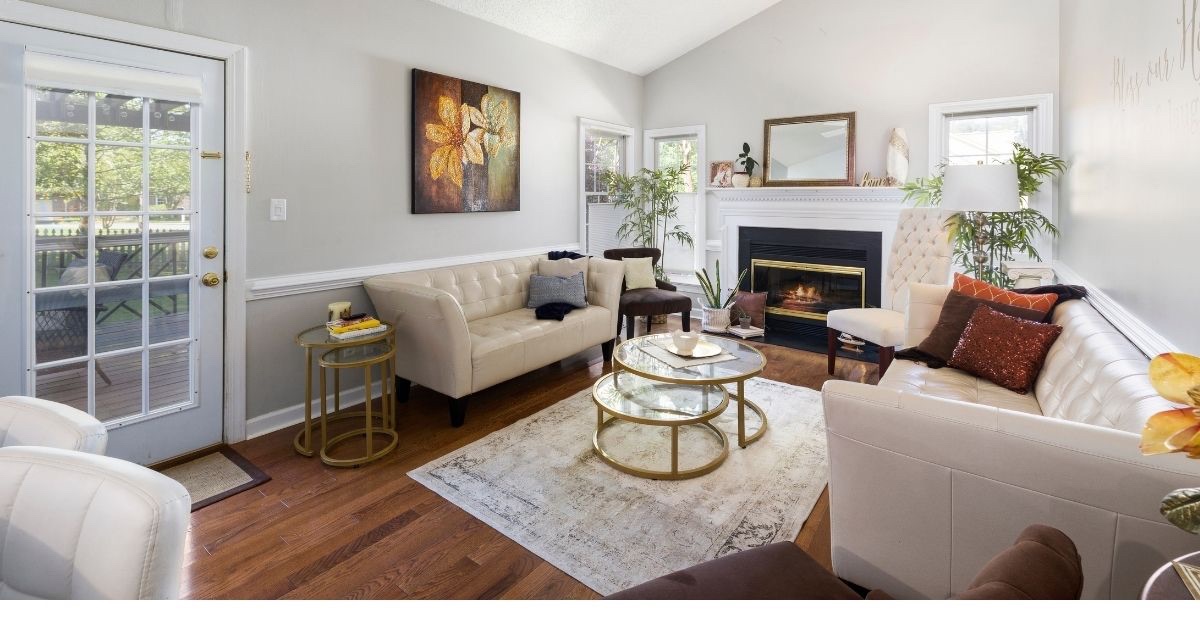
If your staging budget is limited, start with free changes first. Declutter, remove excess furniture, clear counters, open blinds, rearrange rooms and pack away things you won't need before the move. Then consider low-cost improvements such as fresh towels, better light bulbs, simple bedding, paint touch-ups or a cleaner front entry. You usually don't need to redecorate the entire house.
What Staging Changes Cost Nothing?
This is where I would start before buying anything.
Remove excess furniture. A room usually looks larger when buyers can easily walk through it and see the floor. If you're working around an extra chair, oversized table or furniture that blocks a window, try removing it before adding anything else.
Clear surfaces. Kitchen counters, bathroom vanities, nightstands and entry tables don't need to be empty, but they should have enough open space that buyers see the room before the things sitting in it.
Open the blinds. Natural light is free. Make sure furniture isn't blocking windows and adjust blinds or curtains before photography and showings.
Move things between rooms. That lamp that isn't doing much in a bright bedroom may solve a lighting problem somewhere else. The smaller chair in the guest room may work better than the oversized chair in the living room.
Pack early. If you know you're moving, pack seasonal items, collections, excess kitchenware and décor you won't need over the next few months. You're going to pack it eventually anyway.
Walk through the house and ask what you can remove first. In most homes, that makes a bigger difference than buying more things.
Where Is a Little Money Worth Spending?
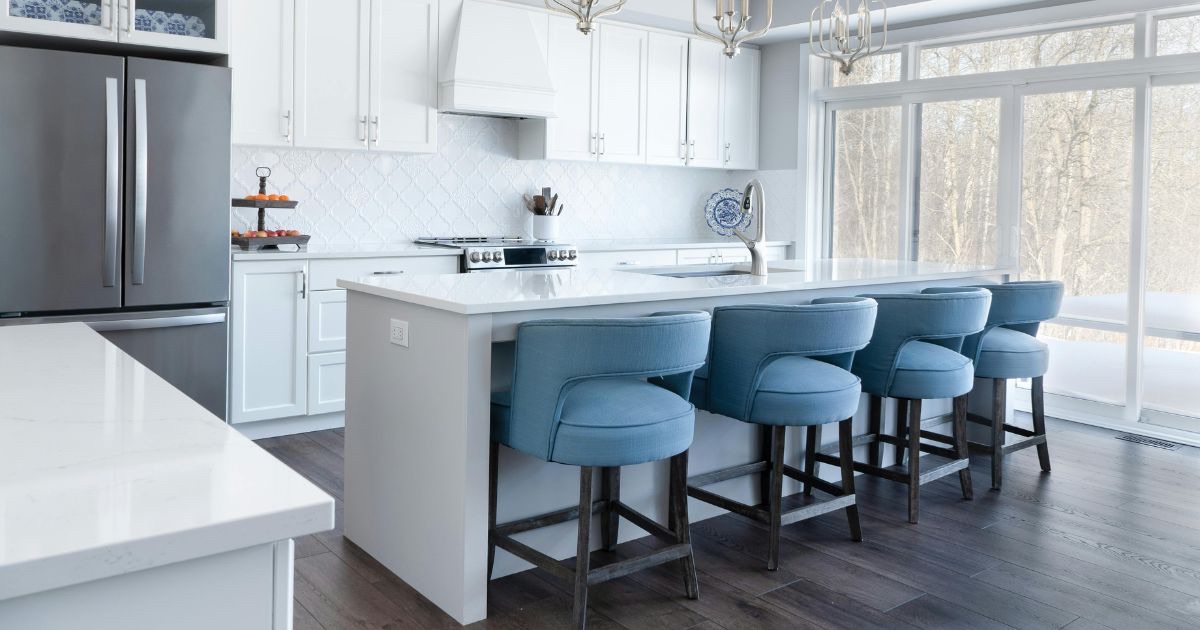
Once you've done the free work, look for inexpensive changes that solve something buyers will actually notice.
Lighting: Replace burned-out bulbs and improve dark areas. I also like the lighting temperatures throughout a room to be reasonably consistent. One bright white bulb mixed with several warm bulbs can look strange in photos.
Bedding and towels: You don't need luxury linens. Simple bedding and clean towels can make bedrooms and bathrooms look much more finished.
Paint touch-ups: Scuffed walls and damaged trim may need more attention than a new decorative accessory. If an entire room is very dark or heavily personalized, then repainting may be worth considering.
The front entry: A clean doormat, tidy porch, working light and clean front door can improve the first impression without becoming a landscaping project.
Cleaning: If your budget allows you to outsource one thing, professional cleaning may be more valuable than spending the same money on décor. Clean windows, bathrooms, floors and baseboards affect the way the entire home presents.
If you're trying to decide whether something needs staged, repaired or actually replaced, read what to fix before listing your home.
Which Rooms Should You Stage First on a Limited Budget?
If you can't tackle the whole house at once, I would focus on the rooms that shape the buyer's overall impression.

Start with the entry. Buyers form an opinion almost immediately. Shoes, coats, bags and crowded furniture near the door can make the house feel smaller before the showing has really started.
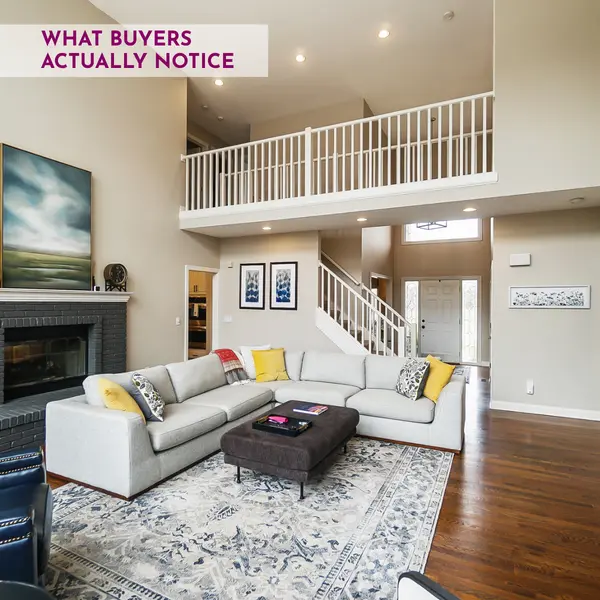
Then the main living area. Make sure the furniture shows how the room works and doesn't block its best features.
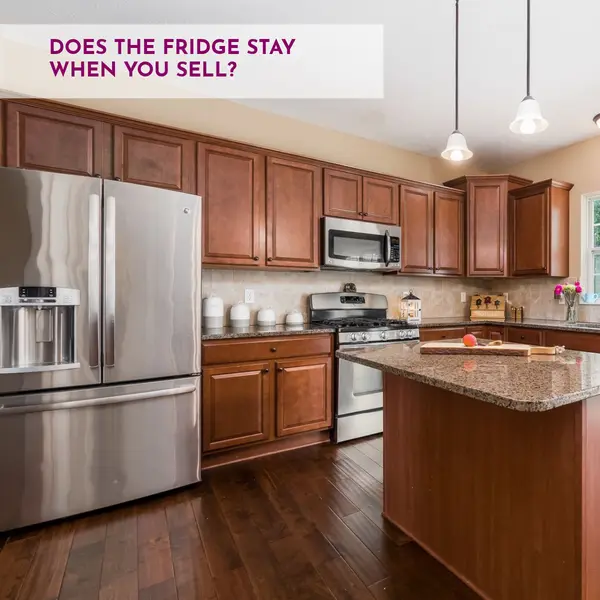
Next, the kitchen. Clear counters, remove refrigerator clutter and leave only a few useful or attractive items out.
Then the primary bedroom. Simple bedding, clear nightstands and less furniture can make the room feel calmer and larger.
This connects directly with what buyers notice in the first 30 seconds. You don't have to improve everything equally. Start where the buyer's impression is being formed.
How Can You Stage With Things You Already Own?
Look at your belongings as staging inventory rather than assuming every room has to stay exactly as it is.
A neutral throw from one bedroom may work better in the living room. A small plant can move from a crowded kitchen counter to an empty bathroom vanity. Artwork can be moved to a room that needs a focal point.
Furniture can move too. You may use an extra chair every day, but if removing it makes the living room look noticeably larger in photographs, pack it away until after the move.
One thing I recommend when sellers have trouble seeing their own home objectively is to walk through a new construction model. Notice how much furniture is in each room, how little is sitting on the counters and how clearly each space is defined. You don't need to copy the décor. Pay attention to the amount of visual space.
What Shouldn't You Buy Just for Staging?
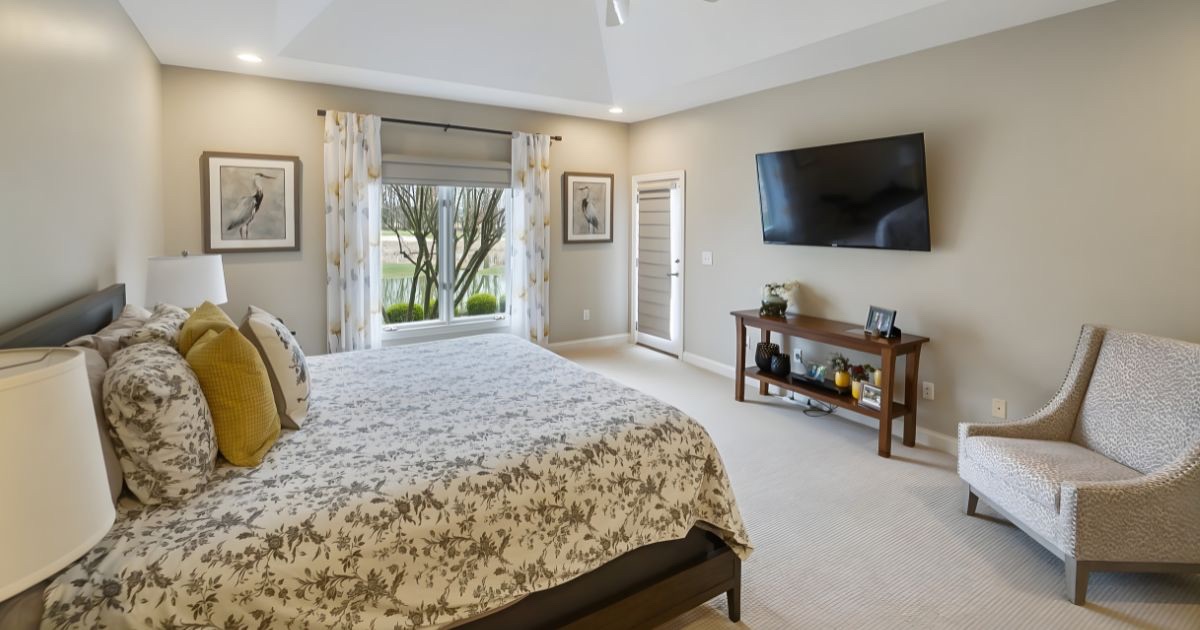
I would be very careful about buying a lot of decorative items specifically for the listing.
You probably don't need matching baskets throughout the house, elaborate table settings, new artwork for every wall or trendy accessories that have no purpose other than looking staged.
And you definitely don't need to make the home look like a furniture showroom.
Staging works best when buyers notice the house, not the staging.
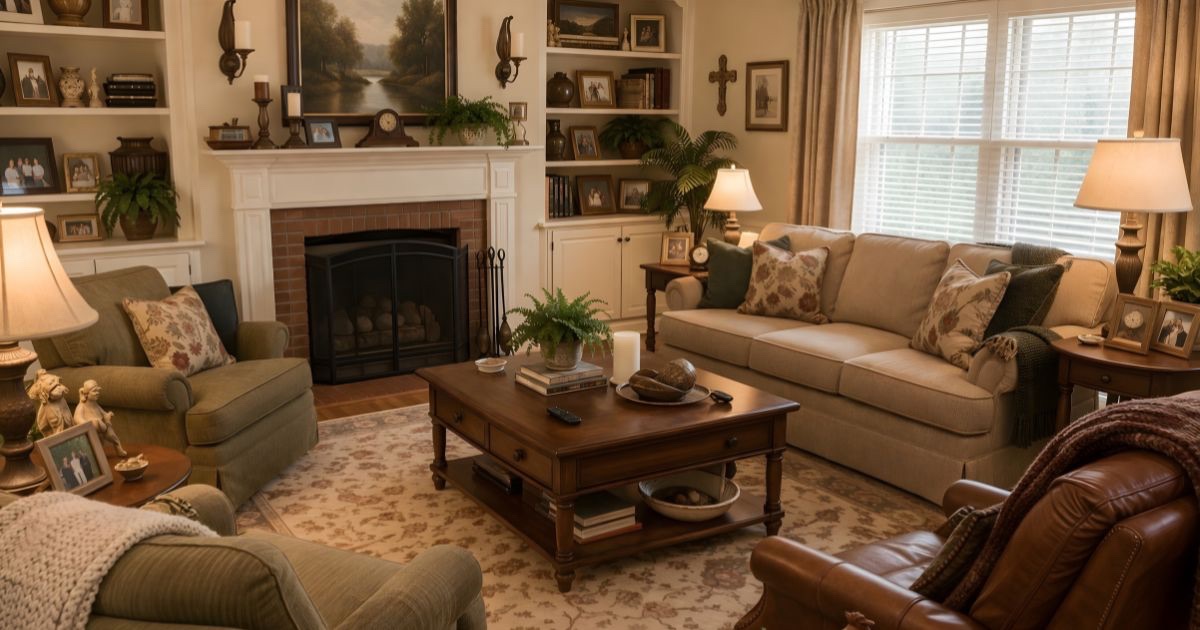
Before spending more significantly, I would also look at what actually adds value before selling. Some money is better spent fixing or improving a problem than decorating around it.
What Can You Accomplish in One Weekend?
If you're feeling overwhelmed, don't think about staging the entire house at once. Give yourself a simple order.
- Walk through and remove obvious clutter.
- Pack anything you don't need before the move.
- Remove extra furniture from the main rooms.
- Clear kitchen and bathroom counters.
- Move or replace weak lighting.
- Make the entry and front porch presentable.
- Take photos of each room with your phone and look at them.
That last step is surprisingly helpful. A photograph often reveals clutter, awkward furniture placement or visual distractions that you've stopped seeing in person.
"Budget staging is mostly about being selective. Remove first, rearrange second and spend money only when it solves a problem."
When Should You Stop DIYing and Bring in a Professional?
There are homes where spending a little on professional guidance can actually keep you from spending too much elsewhere.
If you're unsure what should stay, you're considering buying a lot of new items or the home's layout is difficult to stage, a professional staging consultation may give you a much clearer plan.
That doesn't necessarily mean renting furniture or fully staging the house. A stager can often work with what you already own and tell you exactly what to remove, rearrange or supplement.
This is where the two staging guides on my site serve different purposes. This article is for the seller who wants to make smart, inexpensive changes. My complete guide to staging your home before selling goes deeper into professional staging, vacant homes, virtual staging and preparing for listing photography.
Can Budget Staging Make a Difference in a Central Ohio Home?
Yes, because the goal is not to make the home expensive-looking. It's to make it easier for buyers to evaluate.
When buyers are comparing several similar homes, good presentation can help yours feel cleaner, easier to understand and better cared for. It supports the price by removing distractions that might otherwise make a buyer hesitate.
But staging doesn't replace pricing. A beautifully presented home can still struggle if buyers believe the asking price is too high. That's why staging and pricing your home correctly need to work together.
Getting Ready to Sell?
If you're preparing your home and don't know what is worth doing, I'm happy to walk through it with you before you start spending money.
Sometimes the answer is paint or professional staging. Sometimes it's simply moving furniture, packing a few boxes and cleaning up the front porch. I'd rather help you figure that out first than have you spend money on things buyers weren't asking for.
The Front Porch Report
Practical advice, real stories and Central Ohio market insights to help you make smarter selling decisions.
Join the Front Porch ReportOne email every Tuesday. Unsubscribe anytime.
Frequently Asked Questions About Staging a Home on a Budget
What is the cheapest way to stage a home before selling?
Which rooms should I stage first if my budget is limited?
Do I need to buy new furniture to stage my home?
What is worth spending money on before listing?
Can I stage my home myself?
Is budget staging different from professional home staging?
The Bottom Line
You don't have to spend a lot to make a home show better. Start by simplifying what is already there. Remove anything that makes rooms feel crowded, improve the lighting, clean thoroughly and concentrate on the spaces buyers notice first.
Then decide whether spending additional money will actually solve a problem. That's the part that keeps budget staging from turning into another expensive pre-listing project.
Rita Boswell is a Central Ohio real estate agent with Real of Ohio, helping homeowners prepare, stage, price and sell their homes throughout the Columbus area.
Representing Central Ohio Homes with Real of Ohio
Categories
Recent Posts








GET MORE INFORMATION