
How Do You Buy a Home With Resale Value in Mind?
When you're buying a home, it makes sense to focus on what works for your life right now. You need the right number of bedrooms, enough space, a location that works and a payment you're comfortable with.
But there is another question worth asking before you buy: Will the things I like about this house also make sense to another buyer someday?
You don't need to choose a house based entirely on resale. You're the one who has to live there. But lot, location, layout and certain unusual features can make a meaningful difference when the home eventually goes back on the market. Thinking about those things before you buy can help you avoid paying a premium for something that may be harder to sell later.
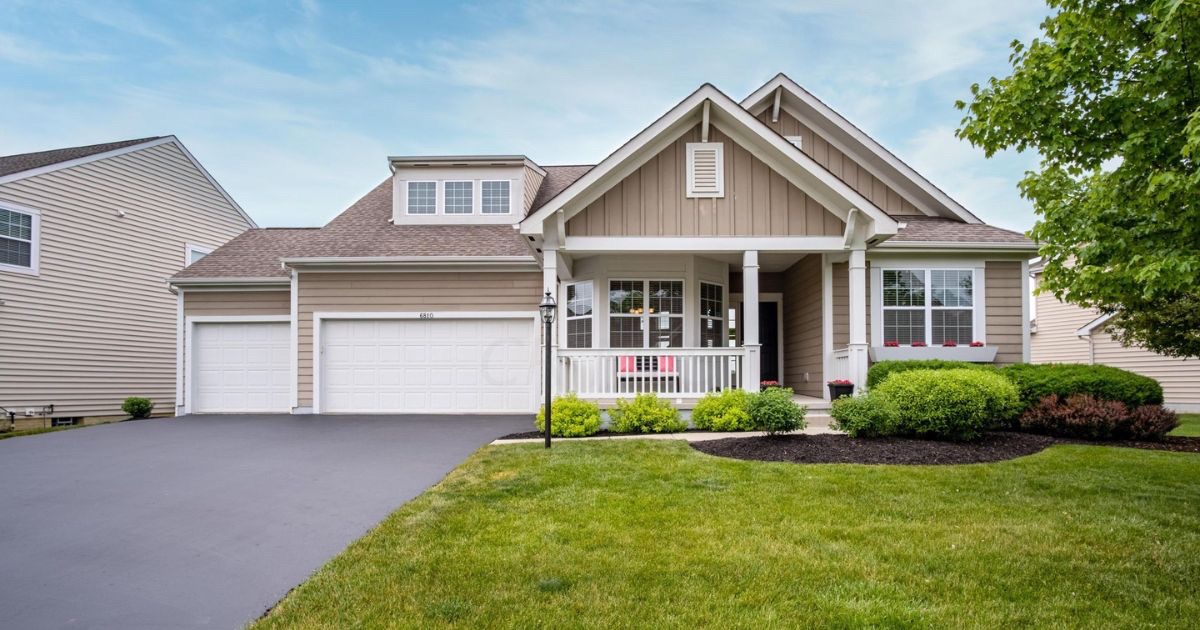
A home with good resale potential usually appeals to more than one narrow type of buyer. Location, lot, functional layout, condition, price point and how the home compares with surrounding properties all matter. The goal isn't to predict exactly what the market will want years from now. It's to avoid features that unnecessarily shrink your future buyer pool.
- Why should you think about the future buyer?
- How does location affect resale?
- Why does the lot matter so much?
- Which layout issues deserve attention?
- When can unusual features hurt resale?
- Should you worry more about condition or cosmetics?
- Can you over-improve a home?
- Does resale matter with new construction too?
Why Should You Think About the Future Buyer?
Because almost every house will eventually be sold again.
You may stay five years or twenty-five years. No one knows. Jobs change, families change, retirement plans change and sometimes a house that once fit perfectly simply stops fitting.
That doesn't mean you should buy a bland house you don't love. It means I would pay attention when something about a property dramatically limits who might want it later.
A home with broad resale appeal doesn't have to appeal to everyone. It simply shouldn't require the future buyer to overcome too many objections at once.
If you decided to sell this home five years from now, what would the next buyer love about it, and what might make them hesitate?
How Does Location Affect Resale Value?
You can remodel a kitchen. You can't move the house.
That is why location deserves more weight than many cosmetic features when you're comparing homes.
I would look at things such as access to major roads, commute patterns, nearby shopping and services, property taxes, HOA costs and how the immediate setting compares with similar homes nearby.
Then get more specific. Is the house on a heavily traveled road? Does it back to commercial property? Is there substantial road noise? Is the driveway difficult to access? Those things don't automatically make a property a bad purchase, but they may reduce the number of future buyers willing to consider it.
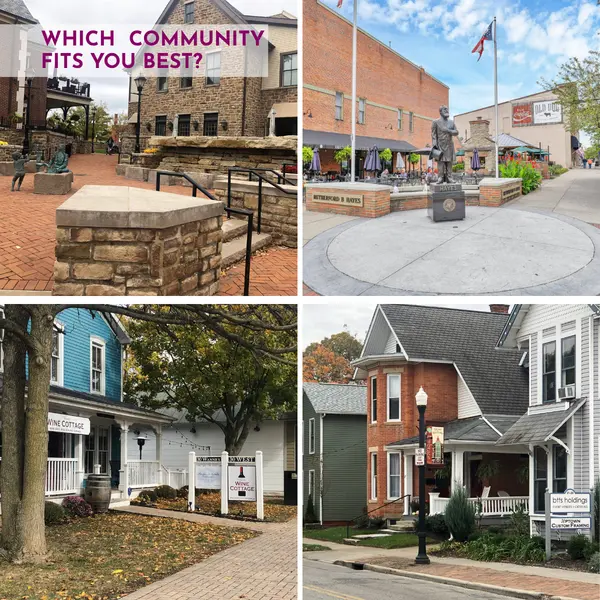
If you're still deciding where you want to live, my guide to choosing the right Central Ohio community goes deeper into property taxes, commute, HOA costs, lifestyle and resale considerations.
Why Does the Lot Matter So Much?
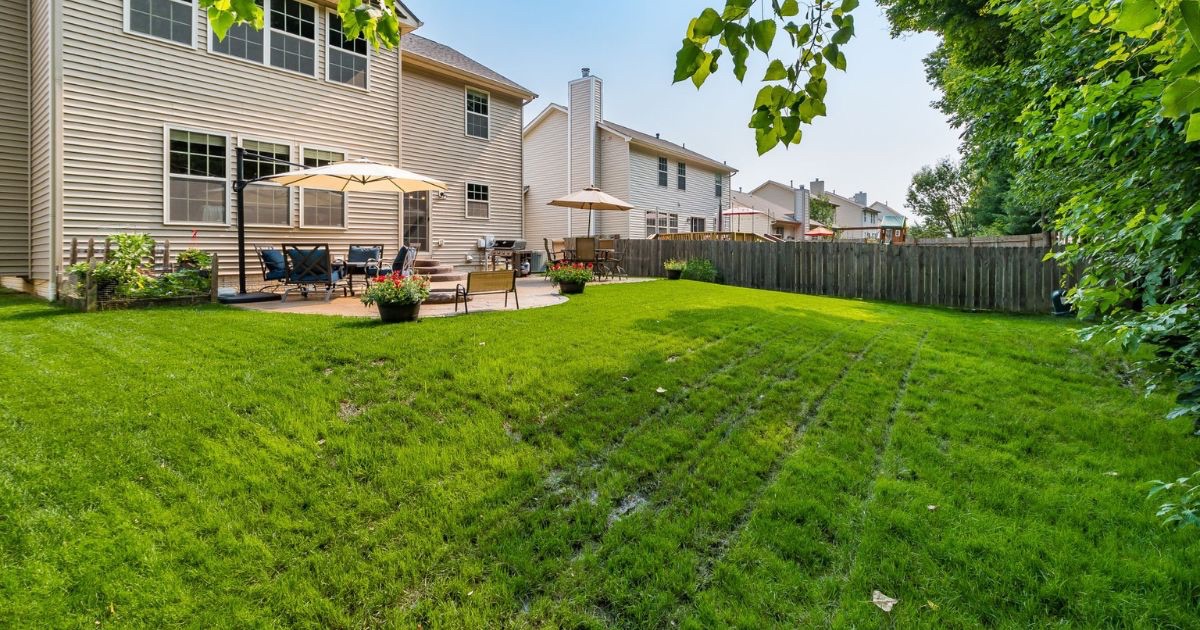
The lot is another thing you can't change later.
That doesn't mean every buyer needs a large, level yard. Plenty of buyers specifically want wooded lots, smaller yards or low-maintenance living. The question is whether the lot has a feature that significantly limits how people can use it.
Things I would notice include:
- Significant road or highway noise
- A very steep or difficult-to-use backyard
- Unusual easements or utility placement
- Drainage concerns
- Very limited privacy compared with surrounding homes
- A lot location that is noticeably different from the rest of the neighborhood
A premium lot can also be worth paying more for, but I'd still ask how much of that premium you're likely to recover later. A beautiful wooded view may have broad appeal. A very specific lot feature may not.
Which Layout Issues Deserve Attention?
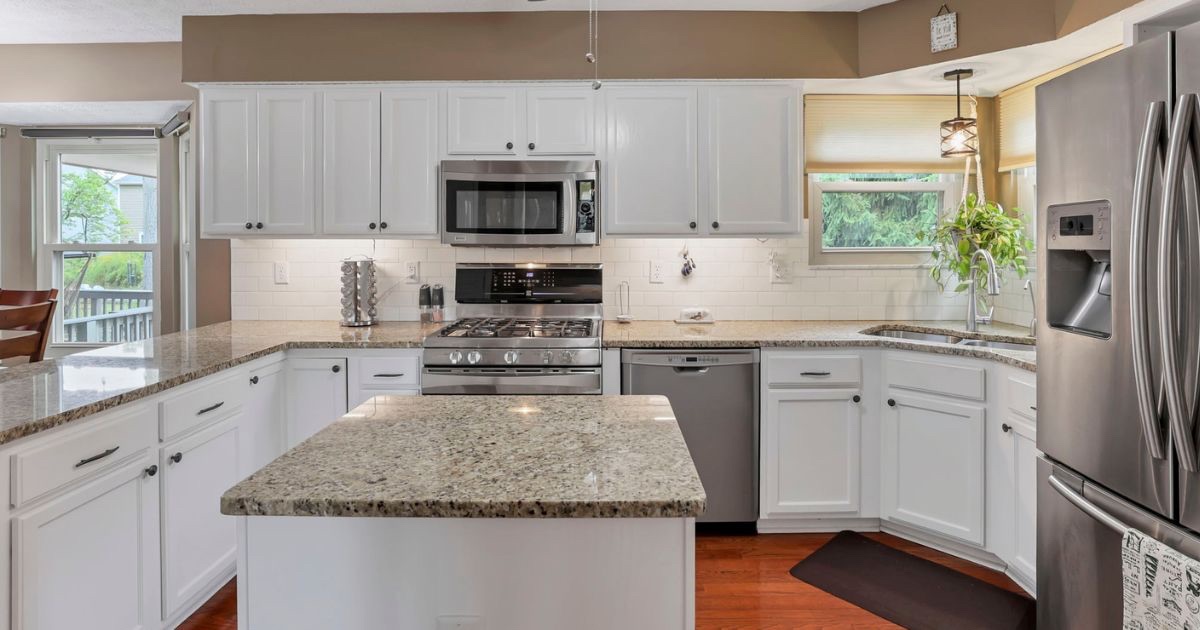
Floor plans matter because they're expensive to change.
I care less about whether a layout follows the latest design trend and more about whether the rooms work logically together.
Ask yourself whether bedrooms are reasonably sized, whether bathrooms are located where people need them, whether furniture can fit naturally and whether the home has enough practical storage.
Also pay attention to compromises you may barely notice because you love something else about the house. Does everyone have to walk through one room to reach another? Is the only full bathroom in an awkward location? Is a bedroom technically large enough but difficult to furnish?
None of those automatically make a home wrong for you. They simply need to be part of the price decision because another buyer may notice the same limitation later.
When Can an Unusual Feature Hurt Resale?
This is where things get interesting because unusual isn't always bad.
A first-floor primary suite, large workshop or dramatic wooded lot may be exactly what makes a home desirable to a particular buyer. The issue is when an unusual feature also creates a significant tradeoff.
For example, a converted garage may provide wonderful living space today but leave the home without the garage future buyers expect in that neighborhood. Removing a bedroom to create an oversized closet may make one owner very happy while narrowing the home's appeal later.
Before paying a premium for something unusual, I would ask whether it creates additional value or simply creates additional uniqueness.
"Unique can be wonderful. Just make sure you're not paying a premium for something the next buyer may view as a compromise."
Should You Worry More About Condition or Cosmetics?
I would usually worry more about the things that are difficult or expensive to correct.
Paint colors, cabinet hardware and many cosmetic finishes can change. Roof condition, drainage, foundation issues, window condition and major mechanical systems are different.
That doesn't mean you should automatically reject an older home. An older but well-maintained home can be a very good purchase.
The important distinction is between dated and deferred maintenance. Dated is often cosmetic. Deferred maintenance can become expensive.
Do School District Boundaries Affect Resale?
School district boundaries can influence demand, taxes and what buyers compare when they're shopping, even though buyers value districts for many different reasons.
I would not choose a home based solely on rankings or assume one district guarantees stronger appreciation. Instead, understand exactly which district and taxing jurisdiction the property is in and compare that with similar homes you're considering.
This is also one reason the mailing address doesn't tell you the whole story in Central Ohio. Two nearby homes can have different school districts, taxing districts or municipal services, which can affect both ownership costs and future buyer comparisons.
Can You Over-Improve a Home for the Neighborhood?
Yes. This is especially important if you're buying something you plan to renovate.
You can make a home substantially nicer without necessarily making it worth substantially more.
If surrounding homes generally sell within a certain range, adding highly expensive finishes, major square footage or very personalized features may make the house wonderful to live in without producing the same return when you sell.
I would pay particular attention to the gap between what you expect to spend and the values supported by nearby comparable homes.
Does Resale Value Matter When Buying New Construction?
Absolutely, and new construction is one of the easiest places to forget about it.
Design centers make it very easy to spend money on upgrades that improve the home for you but don't necessarily improve future resale by the same amount.
I would put more weight on things that are difficult to change later, such as lot location, structural options, garage configuration, windows and floor plan, before spending heavily on decorative finishes.
My guide to buying new construction in Central Ohio explains how to compare builder incentives, upgrades, inspections and long-term value.
Should You Walk Away From a Home With a Resale Concern?
Not necessarily.
This is where price matters.
A home on a busy road may still be a perfectly good purchase if you love the house, the location works for you and the price already reflects the road. A unique layout may be worth accepting if it gives you something else you value highly.
The mistake isn't buying a house with a resale limitation. The mistake is paying as though the limitation doesn't exist.
I'd rather identify the issue before you buy, decide how much it matters and make the decision with your eyes open.
Good resale decisions aren't about finding a perfect house. They're about understanding which features future buyers are likely to value, which ones may narrow your buyer pool and whether the price reflects both.
Considering a Move in Central Ohio?
When I'm looking at a home with a buyer, I'm paying attention to two things at the same time: whether the house works for them now and what I think another buyer may see when it eventually goes back on the market.
That doesn't mean resale should make the decision for you. It simply gives you another piece of information before you commit.
If you're comparing communities as part of your move, start with how to choose the right Central Ohio community. And if you want a broader look at the buying process, my buyer resource library is available anytime.
The Front Porch Report
Practical advice, real stories and Central Ohio market insights to help you make smarter real estate decisions.
Join the Front Porch ReportOne email every Tuesday. Unsubscribe anytime.
Frequently Asked Questions About Buying With Resale in Mind
What features usually help a home's resale value?
Should I avoid buying a home on a busy road?
Does the floor plan affect resale value?
Should school district boundaries matter when buying a home?
Can I hurt resale value by making too many upgrades?
Should resale value be the most important factor when choosing a home?
Rita Boswell is a Central Ohio real estate agent with Real of Ohio, helping buyers evaluate homes, communities and long-term resale considerations throughout the Columbus area.
Representing Central Ohio Homes with Real of Ohio
Categories
Recent Posts


GET MORE INFORMATION