
How Do You Buy a Home When You Have One to Sell?
One of the biggest things keeping homeowners from moving is not necessarily the market, interest rates or even finding the next house.
It is figuring out how to sell one home and buy another without making a mess of the timing.
Do you sell first and hope the right house comes along? Buy first and temporarily own two homes? Make your purchase contingent on selling your current home? What happens if your house sells quickly but you have not found anywhere to go?
There is no one answer that works for everyone. The better place to start is figuring out which risks you are comfortable with and which ones you are not. Once we know that, we can usually build a plan around it.
Thinking About Making a Move?
A good first step is understanding what your current home may be worth and what that gives you to work with before you begin looking seriously at the next one.
Request a Home Valuation Let's Talk
If you need to sell your current home before buying another, the best strategy depends on your finances, how quickly your current home is likely to sell, how difficult your next home may be to find and how comfortable you are with temporary uncertainty. You may sell first, buy first, use a home sale contingency or combine several strategies to create more flexibility.
- Should you sell your current home first?
- Is it better to buy the next home first?
- Can you make an offer contingent on selling your home?
- What if you do not want to list until you find the right house?
- Can you stay in your home after closing?
- Do both closings have to happen on the same day?
- What should you figure out before you start looking?
- What should you consider about the home you are buying?
Should You Sell Your Current Home First?
Selling first gives you something very useful when you are shopping for your next home: certainty. You will know what your home sold for and how much equity you have available for the next purchase. You also will not have to qualify for two homes at the same time.
And when you find the next house, your offer may be stronger because it is not dependent on selling your current home.
The concern is pretty obvious. What happens if your home sells before you find the next one?
That does not automatically mean moving twice. Depending on the situation, we may be able to coordinate the closings closely or negotiate some extra possession time after closing. Sometimes temporary housing makes more sense. If your next home is something very specific or difficult to find, however, selling first may create more pressure than you are comfortable with.
Is It Better to Buy the Next Home First?
If you can financially buy your next home without selling your current one first, this can make the physical move much easier. You find the right house, close, move and then prepare and sell your current home.
There is much less concern about coordinating everything on the same day, and it can be easier to prepare your current home for sale once you are no longer living there.
The question is whether it works financially. You may temporarily have two mortgage payments. You also may need equity from your current home for the down payment on the next one.
That is why I like to involve a lender before we start seriously looking at houses. There may be financing options that help bridge the gap, but we need to understand what is realistic before you find a house you want.
Finding the perfect house and then trying to figure out whether the numbers work is backwards. I would rather know our options first.

Can You Make an Offer Contingent on Selling Your Current Home?
Yes, and this is one of the most common questions I get from homeowners who need to sell before they buy.
A home sale contingency basically means you are agreeing to buy the next home as long as your current home sells. These offers can absolutely work, but they are not all viewed the same way by sellers.
If your current home is not even listed yet, the seller of the next house is taking on quite a bit of uncertainty. Your home still needs to be prepared, listed, marketed, put into contract and successfully closed. If your home is already under contract with a solid buyer, that is a very different situation.
The market for the house you are trying to buy matters too. If the seller has several offers, they may favor one that does not depend on another home selling. If the property has been sitting on the market, they may be much more willing to consider a contingency.
A home sale contingency is not automatically good or bad. The real question is how much uncertainty we are asking the other seller to accept.
What If You Do Not Want to List Until You Find the Right House?
That is another option, and sometimes it makes the most sense. We can do quite a bit of work on your current home before it ever goes on the market.
That might mean deciding what needs repaired, meeting with a stager, decluttering, painting or taking care of smaller projects so we are not starting from scratch once you find the next house.
Before spending money, it helps to understand what adds the most value before selling your home. The biggest project is not always the one buyers care about most.
You can also begin watching the market before listing your home. That gives you a better idea of how frequently homes that fit your criteria actually become available.
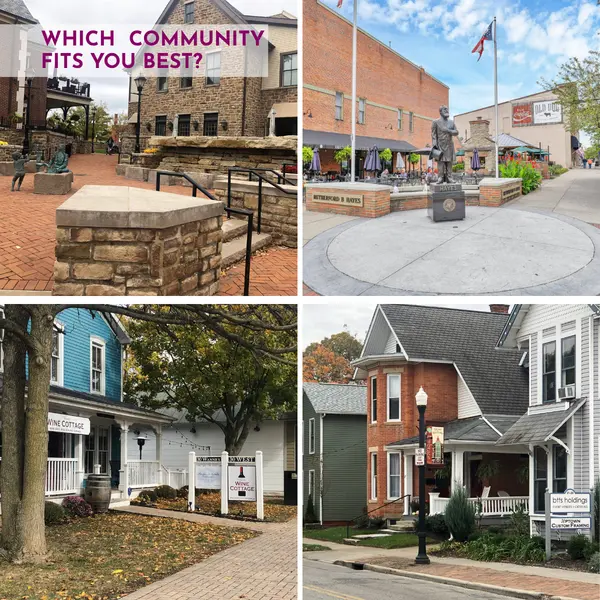
If you are still deciding where you want to move, my guide on how to choose the right Central Ohio community can help you think through location, property taxes, school districts, maintenance and other factors before narrowing the search.
The more prepared we are on both sides of the move, the more options we have.
Can You Stay in Your Home After Closing?
Sometimes. This is commonly called post-closing possession. You sell the home and close, but the buyer agrees to let you remain in the property for an agreed period of time.
It can give you some breathing room between the sale of your current home and the purchase of the next one. But I do not like building an entire moving strategy around the assumption that a buyer will agree to it.
The buyer's circumstances matter. They may need to move in immediately. Their lender or insurance company may also have requirements that affect the arrangement. It can be a useful option, but it is one piece of the plan rather than the entire plan.
Do Both Closings Have to Happen on the Same Day?
No, and sometimes trying too hard to make that happen creates unnecessary stress.
Closings can sometimes be coordinated closely enough that the proceeds from your sale are available for your next purchase. Other times it makes more sense to leave a little space between them.
There are a lot of moving parts. Inspections, appraisals, financing, title work and the other buyer's transaction can all affect timing.
I would rather build some flexibility into the plan than create a schedule where one small delay causes everything else to fall apart.
Sometimes the Best Strategy Uses More Than One Option
Homeowners sometimes approach this decision as though there are only two choices: sell first or buy first. Usually there are more.
We might prepare your home so it is ready to list as soon as you find the next one. We might start watching homes before yours goes on the market. We could sell first and negotiate extra possession time. We might use a home sale contingency, but wait until your current home is already under contract before making the offer.
There is not a formula I use for every homeowner. What I do not want to do is figure all of this out after you have found a house you love. That is when people start making decisions under pressure.
What Should You Figure Out Before You Start Looking?
If you are thinking about moving within the next year, I would start with three things:
- Approximately what is your current home worth? This gives us a reasonable idea of how much equity you may have available for the next purchase.
- Could you qualify to buy before you sell? A conversation with a lender can tell us what is realistic and what financing options might be available.
- Which situation would make you more uncomfortable? Carrying two homes temporarily or selling your current home without knowing exactly where you are going?
That third question may sound simple, but it tells me quite a bit about how we should structure the move.
If selling is going to be part of the plan, pricing and preparation also matter. The first ten days your home is on the market often shape the rest of the sale.
Starting too high can make an already complicated move harder because the current home may take longer to sell. If you are tempted to price high and negotiate later, it is worth understanding what overpricing your home can actually cost.
Price is not the only factor. Condition, presentation and competition matter too, which is why some Central Ohio homes sit while others sell quickly.
A Simple Way to Think About Your Options
| Option | Main Advantage | Main Concern |
|---|---|---|
| Sell First | You know your proceeds and have fewer financial unknowns. | You may need extra time to find the next home. |
| Buy First | The move is usually easier to coordinate. | You may temporarily own two homes. |
| Home Sale Contingency | You do not have to complete the purchase unless your home sells. | The offer may be less attractive to the seller. |
| Prepare First | Your current home can be ready to list quickly once you find the next one. | You still need a plan for the timing once the right home appears. |
The right choice depends on your finances, current market conditions, the type of home you are trying to buy and how much timing uncertainty you are comfortable with.
What Should You Consider About the Home You Are Buying?
Once you figure out how you are going to make the move, it is worth thinking carefully about what you are buying.
Your next home needs to work for you now, but someday you will probably need another buyer to want it too. Location, lot, layout and nearby features can all affect resale.
Before buying, take a look at how to buy a home with great resale value. It is something I think buyers should consider before they fall in love with a house rather than after they have purchased it.
Planning a Move in Central Ohio?
You do not have to know exactly when you are moving before you start figuring this out. In fact, earlier is usually easier because we have more options and less pressure.
A good first step is understanding approximately what your current home is worth and what that gives you to work with. From there, we can talk through whether selling first, buying first or combining a few strategies makes the most sense.
If you are still deciding who you want helping with the sale, it may also help to read how to choose the right real estate agent to sell your home.
Selling one home and buying another has a lot of moving parts, but it does not have to feel overwhelming. The goal is not to make every date line up perfectly. It is to have a plan when they do not.
| Request a Home Valuation | Let's Talk |
The Front Porch Report
Practical advice, real stories and Central Ohio market insights to help you make smarter selling decisions.
Join the Front Porch ReportOne email every Tuesday. Unsubscribe anytime.
Related Resources
Frequently Asked Questions About Buying and Selling at the Same Time
Can I buy a new home before selling my current home?
Yes, if you qualify financially to purchase the new home while still owning your current one. Some homeowners can comfortably carry both homes temporarily, while others need the equity from their current home for the next purchase.
What is a home sale contingency?
A home sale contingency makes your purchase dependent on selling your current home. The strength of that offer often depends on whether your current home is not yet listed, actively listed or already under contract.
Should I sell my house before buying another one?
It depends on your finances, how difficult your next home may be to find and how comfortable you are with the timing. Selling first provides more certainty, while buying first can make the move easier to coordinate.
Can I stay in my house after I sell it?
Sometimes. A buyer may agree to let the seller remain in the property for a specified period after closing. The terms have to be negotiated and may also be affected by the buyer's financing or insurance.
Can I use the money from selling my current home to buy my next home?
Yes. Many homeowners use the equity from their current home toward the next purchase. If those funds are needed for the next closing, the timing of the two transactions has to be coordinated carefully.
How early should I start planning if I need to sell and buy?
It is helpful to begin several months before you expect to move. You do not need an exact date. Starting early gives you time to understand your home's value, speak with a lender, prepare the property and decide which strategy gives you the most flexibility.
Rita Boswell is a Columbus, Ohio area Realtor with Real of Ohio, helping homeowners throughout Central Ohio plan and coordinate both sides of a move, from preparing and selling their current home to finding the right next home.
Rita Boswell Group, Real of Ohio
Categories
Recent Posts



GET MORE INFORMATION